Irish grain output could fall to below 2Mt in 2026

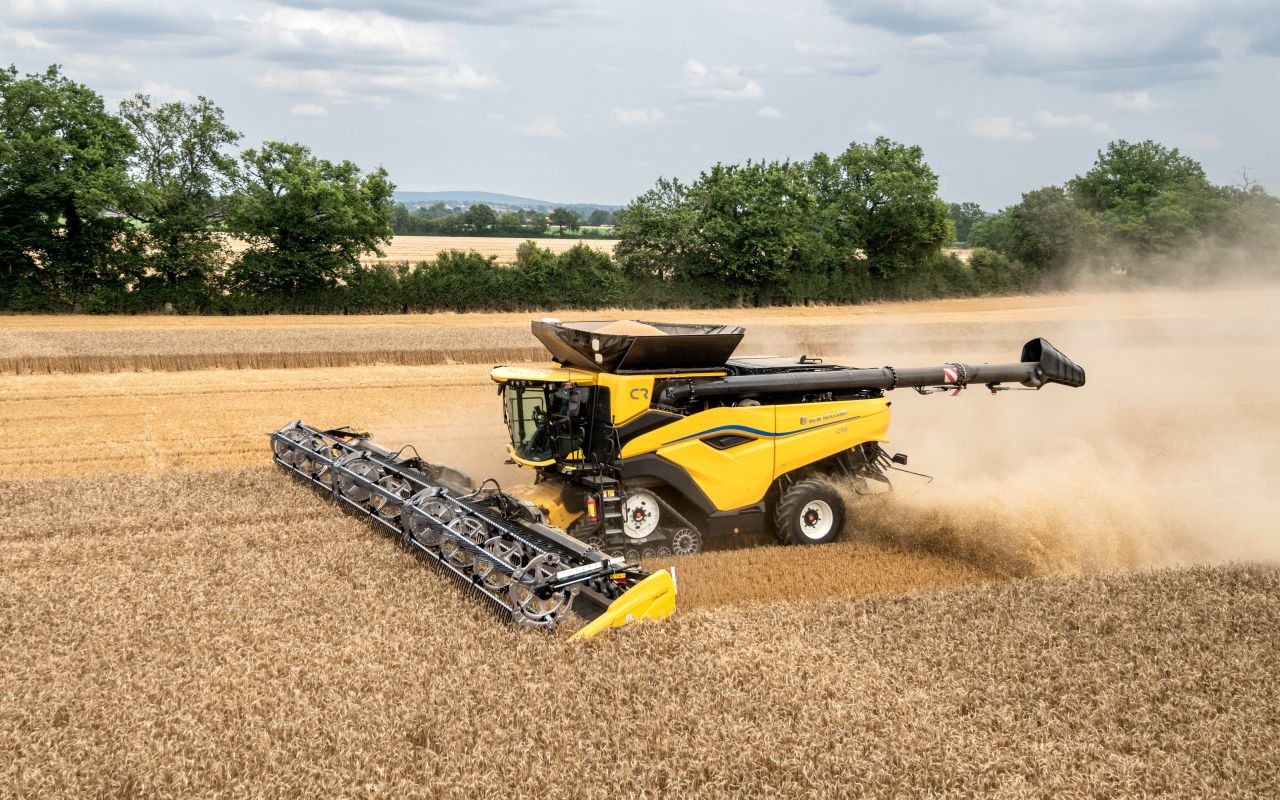
Ireland’s grain harvest could fall to below 2 million tonnes in 2026, according to the results of a survey.
The figures are based on a survey of members of the Irish Farmers' Association (IFA) national grain committee.
According to the committee Irish tillage farmers are being squeezed by poor yields and soaring production costs, putting further pressure on already-tight margins.
The IFA national grain committee secretary, Max Potterton said IFA harvest figures are in line with grain output projections that have been collated by Teagasc.
Potterton said the survey was conducted by the IFA on August 13.
He said: "The yield estimated was as follows - winter barley: 3.45t/ac, winter wheat: 3.85t, winter oats: 3.5t.
“Winter oilseed rape was the star of the show at 2t/ac. Spring barley yields were extremely variable with the average coming in at 2.63t.”
According to Potterton total grain output for 2026 is currently sitting at 1.92Mt - 14% down on the 2025 figure.
He said: "The difference is most graphically illustrated in the comparative winter wheat yields for this year and last.
“The 2025 winter wheat yield figure came in at 4.3t/ac.”
In general terms, this year’s grain yield figures are about half a tonne per acre below those achieved last year.
Growing conditions
Potterton has also highlighted the weather conditions that farmers have been battling in 2026.
He said: “January was very wet. This led to a delay in the application of fertiliser to crops.
"Disease pressure during the early spring period was quite low.”
Meanwhile, winter oilseed rape has continued to perform well under Irish conditions.
“It seems to be a very consistent crop,” Potterton said.
Looking back 2026 spring barley crops were planted in two tranches, in mid March and approximately four weeks later.
When it comes to yields on these crops they have been extremely variable.
It would appear that the earlier sown crops were able to withstand the drought conditions that impacted across the country from the middle of June and into July and August.
However, later sown crops were impacted by the lack of rain throughout the summer period.
The very dry conditions in the run up to harvest also impacted significantly on the quality of 20206 malting barley crops both on from a protein content and screenings’ perspective.
These issues combined have added to the challenge farmers are now grappling with because of the poor prices currently available for malting barley.