EU project seeks to end 96% reliance on imported feed protein
A new project has been launched to reduce Europe's dependence on imported protein sources for animal feed.
The PROFEED project, with almost €5.5 million in funding from the EU's Horizon Europe programme, aims to "develop sustainable locally sourced plant protein alternatives, regional roadmaps and EU-level policy recommendations", a statement by the European Commission said.
The project is being led by the University of Leeds and will draw together 15 partners from eight European countries.
The goal will be to link crop science, farming, feed technology, animal nutrition and policymaking across the entire value chain, according to the statement.
“PROFEED aims to turn protein diversification into an opportunity to strengthen the resilience, competitiveness and sustainability of Europe’s feed systems,” according to associate professor at University of Leeds and PROFEED coordinator, ChristineBosch.
Vulnerable supply chain
The statement explained that almost 96% of the high-protein feed used in Europe was imported, "which makes local farming vulnerable to supply chain issues, fluctuating prices and environmental pressure".
"By increasing domestic production, we can reduce this dependency and promote stronger rural economies and more sustainable farming practices."
The project will include 40 farmers; 10 'lighthouse sites' (hubs and platforms that support the development and deployment of transformative, innovative solutions across various domains); and four 'communities of practice' aimed at cross-organisational collaboration and knowledge sharing, the statement said.
Farming environments
It will take place across diverse European farming environments, with the aim of identifying "the key challenges and test and validate solutions for expanding sustainable protein crop value chains for feed across Europe".
More than 130 soyabean, lupin and alfalfa accessions (plant samples or seed lots that are officially added to and maintained within a genebank or germplasm collection) will first be screened under controlled conditions, including current and future climate scenarios, to identify the most promising and resilient varieties.
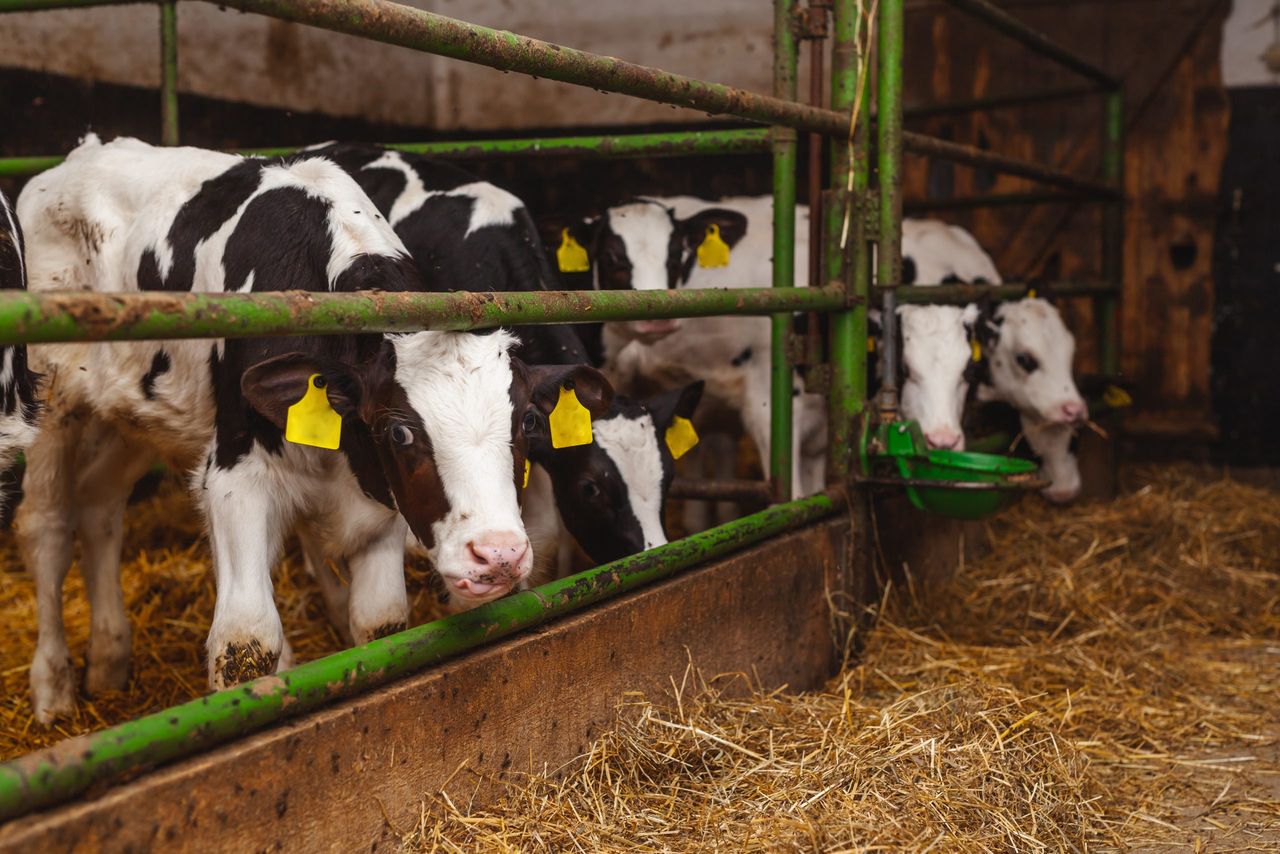
"These will then be tested under real farming conditions across different European climatic regions, while animal trials will assess their potential for use in feed formulations for pigs, poultry and aquaculture species," according to the European Commission statement.
"Environmental and socio-economic impacts will then be assessed through life-cycle and techno-economic analyses."
An open-access digital platform will be set up as part of the project to "centralise data, tools, training resources and best practices on the sustainable production and use of protein crops for animal feed".
According to the European Commission, the ultimate aim of the project will be to "develop a harmonised European database, policy recommendations and a multilingual Massive Open Online Course (MOOC) to support farmers, advisors, industry and policymakers".
The PROFEED project will run from October 2026 to September 2030.
Ireland
Agriland previously reported that, according to the Minister for Agriculture, Food and the Marine, Martin Heydon, 80% of animal feed in Ireland was derived from grazed grass/preserved forage, while about 6.5 million tonnes (2025) of compound feed were manufactured in Ireland.
“Approximately 2.2 million tonnes of home-grown cereals are produced - barley, wheat and oats (includes human consumption) and some 5.1 million tonnes (2025) imported,” he said.
The minister explained that in the case of pigs and poultry, virtually all their nutrition was derived from compound feeds.
“The main commodities imported are maize and maize by-products, soyabean meal and hulls, rapeseed meal, vegetable oils and fats, minerals and vitamins.
“Imports from the EU make up approximately 25% of imported feed, with the balance sourced from third countries, mainly Argentina, USA, Canada and Brazil."