Beef kill: Stronger autumn factory cattle supplies continue

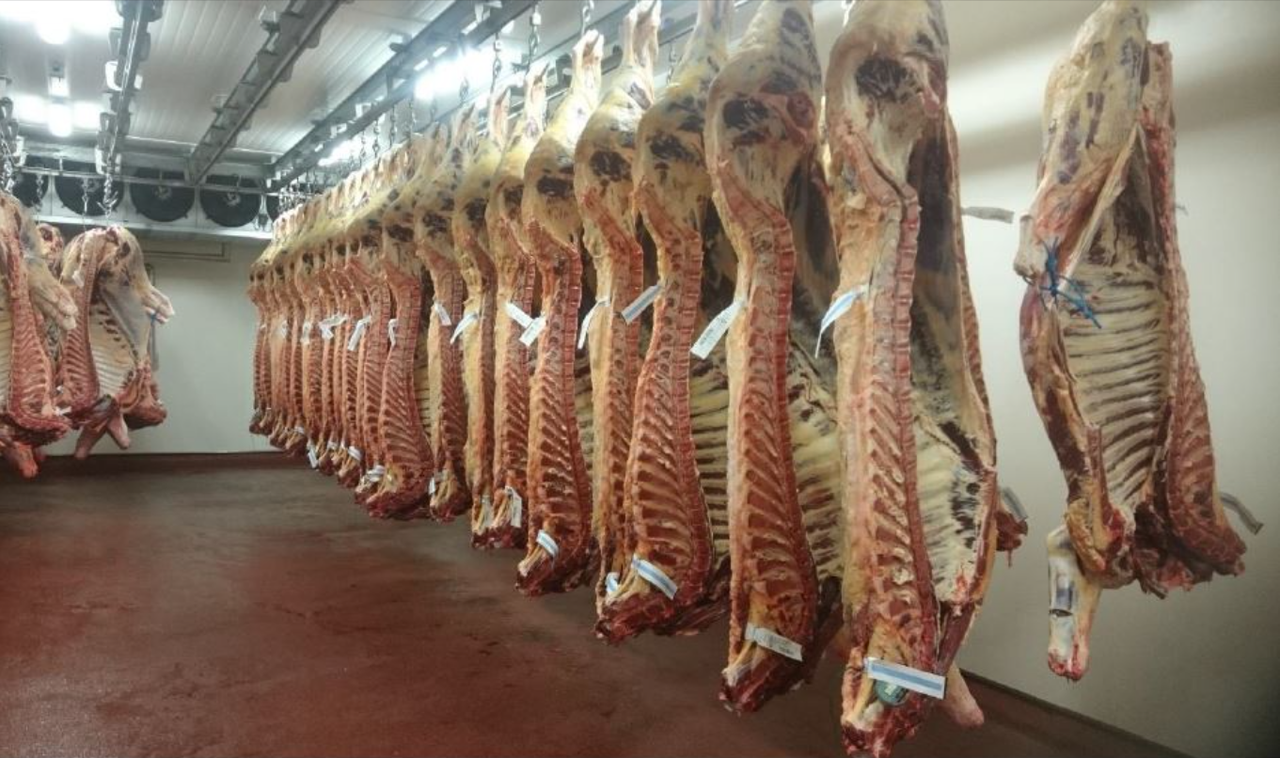
Over 36,500 head of cattle were slaughtered in the week ending Sunday, October 25, over 6,700 head above the same week of last year.
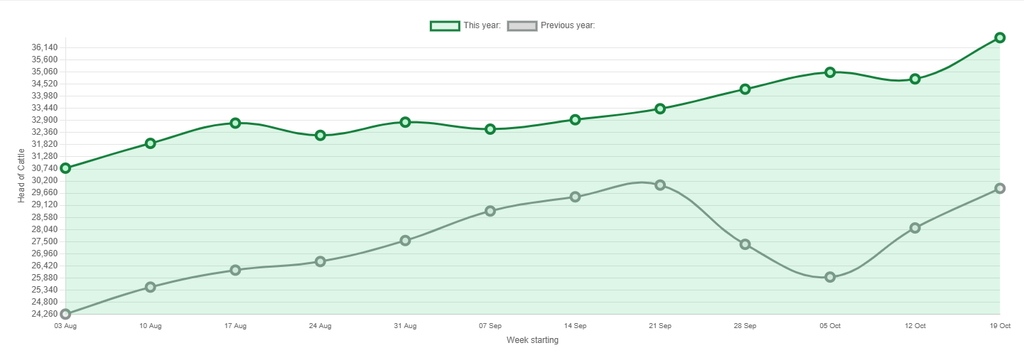
Factory cattle supplies this autumn have been much stronger than last autumn, where supplies actually declined in late September and early October before rising slightly into the end of last year.
The rise in beef supplies since late September has taken some industry stakeholders by surprise, as many had expected weekly supplies to hover slightly over 30,000 head into the end of the year.
The graph below illustrates how kill numbers this year have been trending ahead of last year:
Beef prices have come under some degree of pressure in recent weeks, a trend that has also surprised many beef farmers and is causing some degree of uncertainty in store cattle markets.
Despite the current pressure on price, market signals would indicate strong demand for Irish beef in the lead up to Christmas.
Most procurement staff will acknowledge that good batches of fleshed, in-spec prime heifers and steers remain in high demand.
The table below details weekly beef kill numbers in the week ending Sunday, October 25, versus the same week of last year, the cumulative beef kill-to-date this year versus the same week of last year, as well as the change in numbers and percentage changes:
| Animal Type | Week ending Oct 25, 2026 | Same week last year | Weekly Difference | Cumulative 2026 | Cumulative 2025 | Cumulative Difference |
|---|---|---|---|---|---|---|
| Bulls | 446 | 344 | +102 (+29.7%) | 21,335 | 20,367 | +968 (+4.8%) |
| Cows | 7,571 | 6,396 | +1,175 (+18.4%) | 285,714 | 291,325 | -5,611 (-1.9%) |
| Heifers | 11,145 | 9,037 | +2,108 (+23.3%) | 401,141 | 408,314 | -7,173 (-1.8%) |
| Steers | 15,639 | 12,847 | +2,792 (+21.7%) | 524,150 | 515,606 | +8,544 (+1.7%) |
| Young Bulls | 1,789 | 1,249 | +540 (+43.2%) | 89,007 | 86,670 | +2,337 (+2.7%) |
| Total | 36,590 | 29,873 | +6,717 (+22.5%) | 1,321,347 | 1,322,282 | -935 (-0.1%) |
Winter beef finishers currently buying store cattle for feeding over the winter months will be closely watching the price per kilo they are paying after the strong autumn store trade seen last year resulted in very low margins made on the cattle finished in spring 2026.