How to limit damage to saturated soils from machinery

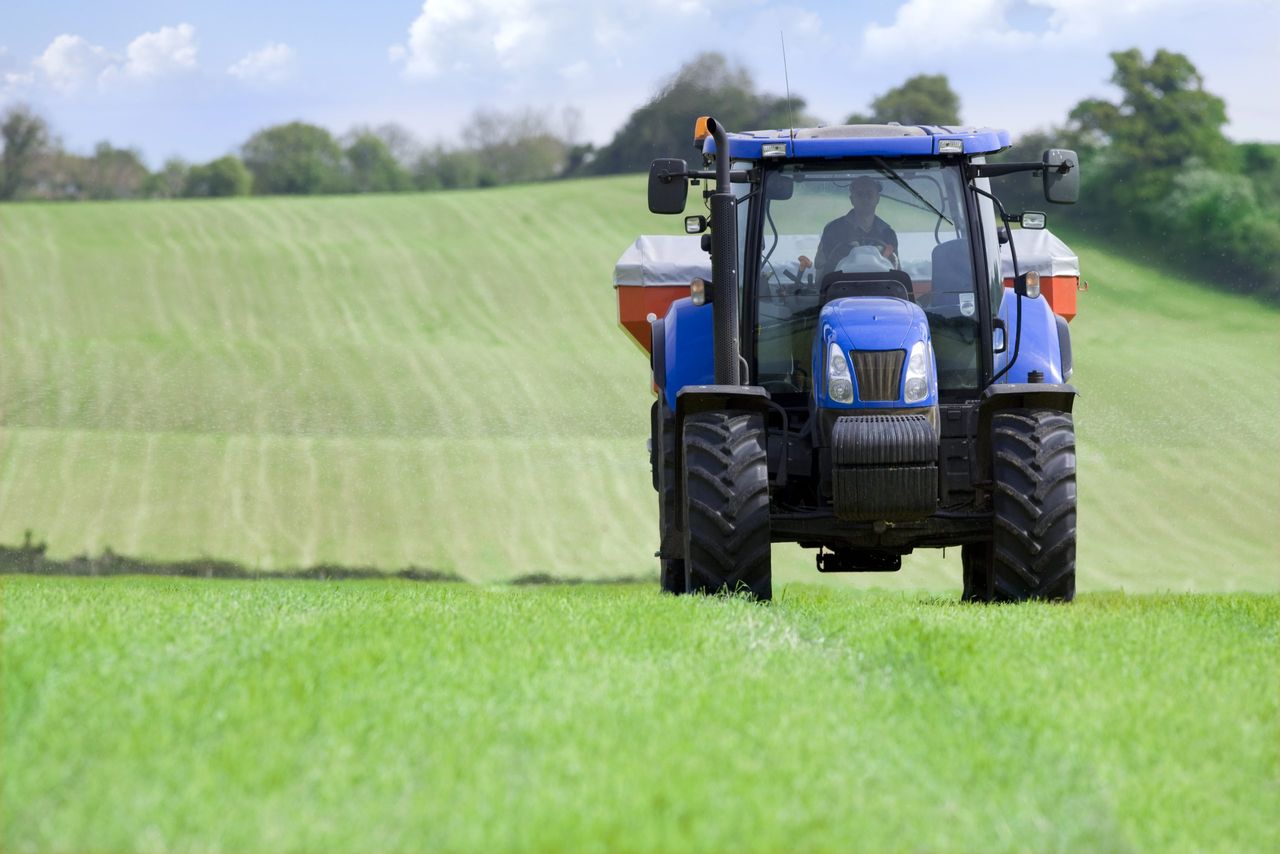
Farmers have been struggling to carry out field work over the past few weeks due to widespread soil saturation and waterlogging.
According to Met Éireann, as of Friday (October 30), "all well and moderately drained soils are saturated and poorly drained soils are waterlogged".
Soil moisture deficits (SMDs) are generally ranging from -10mm to 2mm.
Under these conditions, and as we head into the months that are normally the wettest in Ireland, it is important to assess if you have suitable machinery.
Saturated ground is less capable of supporting machinery without sustaining structural damage.
With this in mind, when carrying out field work, it is essential to use appropriately weighted implements and modern technology to protect soil structure, minimise compaction and preserve the ground's ability to absorb and drain water.
However, there is only so much the machinery and technology can do to protect soil when it is being used in poor conditions, so avoiding field work when soils are saturated is best.
The implications of damage to soil are extensive, with potential to affect crop establishment as well as leading to surface run-off and scarring of the ground.
Lighter implements
When machinery travels over saturated ground, it can compress soil particles together, reducing the pore space where air and water moves through the soil.
While this damage is not always immediately apparent, the cumulative effects of repeated passes can have lasting consequences.
Lighter equipment can help reduce loads on vulnerable ground.
For example, opting for a 3t spreader over a 10t machine may help avoid damaging the soil.
A smaller spreader may require more passes and more frequent refilling; however, it can be a practical option where reducing load is a priority.

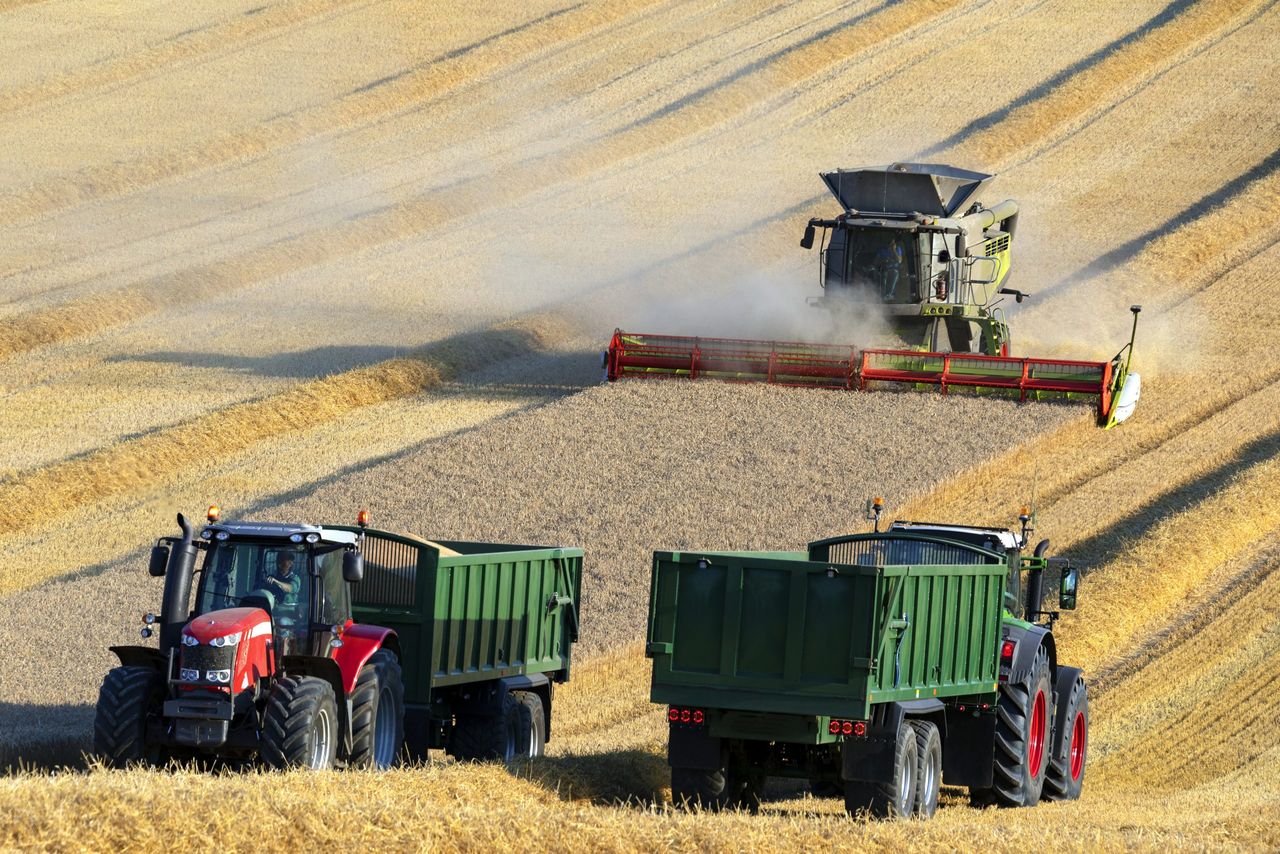
Ultimately, for contractors, the objective is to balance operational efficiency with soil protection, so selecting machinery that can complete the required work without placing unnecessary stress on the ground is paramount.
In addition, it may also be time for contractors to consider four-cylinder tractors for their fleet.
The gap in usability between four-cylinders and six-cylinders has never been closer, and the likes of a Fendt 500 series or some of John Deere's 6M tractors may prove a viable option for many contractor set-ups.
In addition to the benefits of soil protection when using lighter machinery, operators may also find they have more control and less chance of losing traction on sloped land.
Tyre inflation
Central Tyre Inflation Systems (CTIS) are becoming more common, but many Irish farmers and agricultural contractors will not have tractors with these features yet.
A CTIS can inflate and deflate a tractor's tyres, meaning that the operator can make their tyres softer for fieldwork and harder for road use.
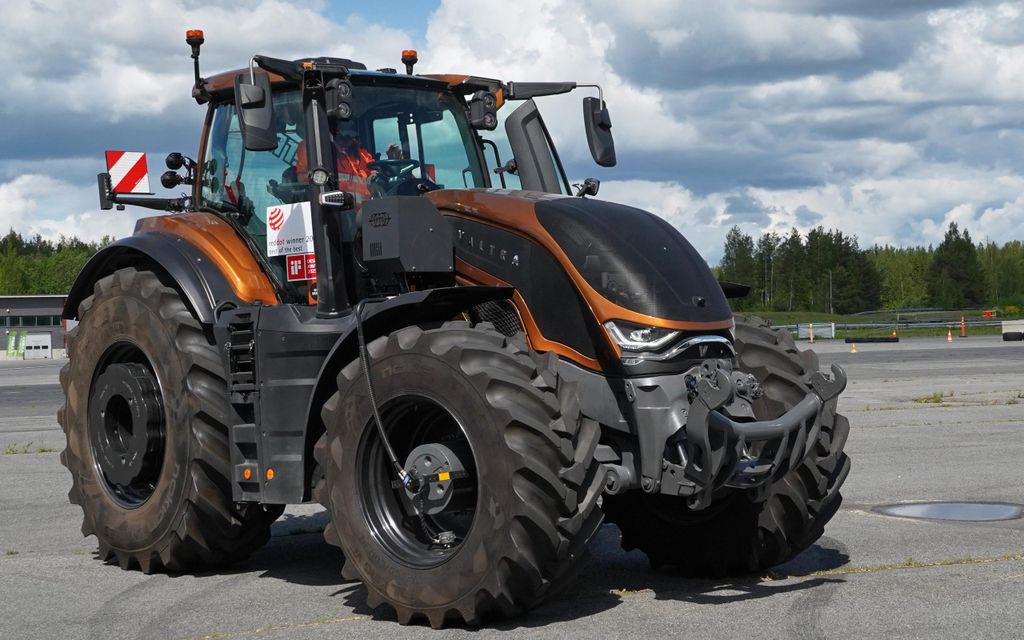
Softer tyres can reduce compaction and impact to soil, facilitating heavier machines to travel over saturated grounds.
While the technology does not completely eliminate the risk of compaction, it offers a way to better protect ground conditions, when used alongside appropriate machinery and careful management of field traffic and machine passes.
Run-off
If soil is overly compacted, it can increase the risk of surface run-off.
If this run-off includes fertiliser or slurry, farmers can face multiple repercussions.
In addition, as the cost of fertiliser has risen sharply in 2026, it is not something farmers would want to waste.

If fertiliser or slurry gets washed away before soaking into crops or the soil, it can lead to stunted yields, increasing the profitability pressure on farmers.
There are also environmental implications, such as fish kills and abnormal algae growth when fertiliser or slurry run-off reaches waterways.
If a farmer is found to be responsible for polluting a watercourse, they can face heavy fines and cuts to their Basic Income Support for Sustainability (BISS) payments.