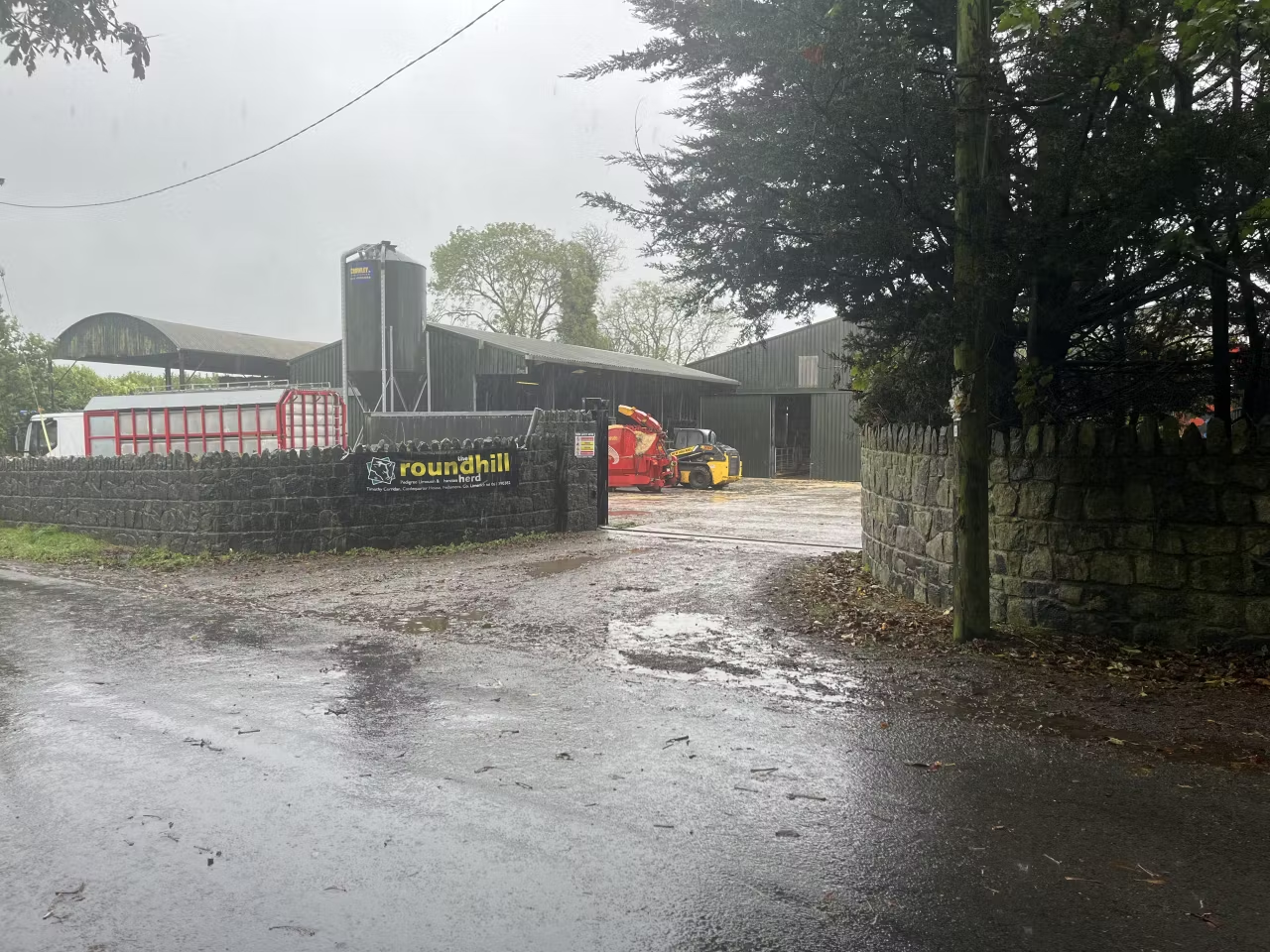
End of grazing season in sight as grass growth fades

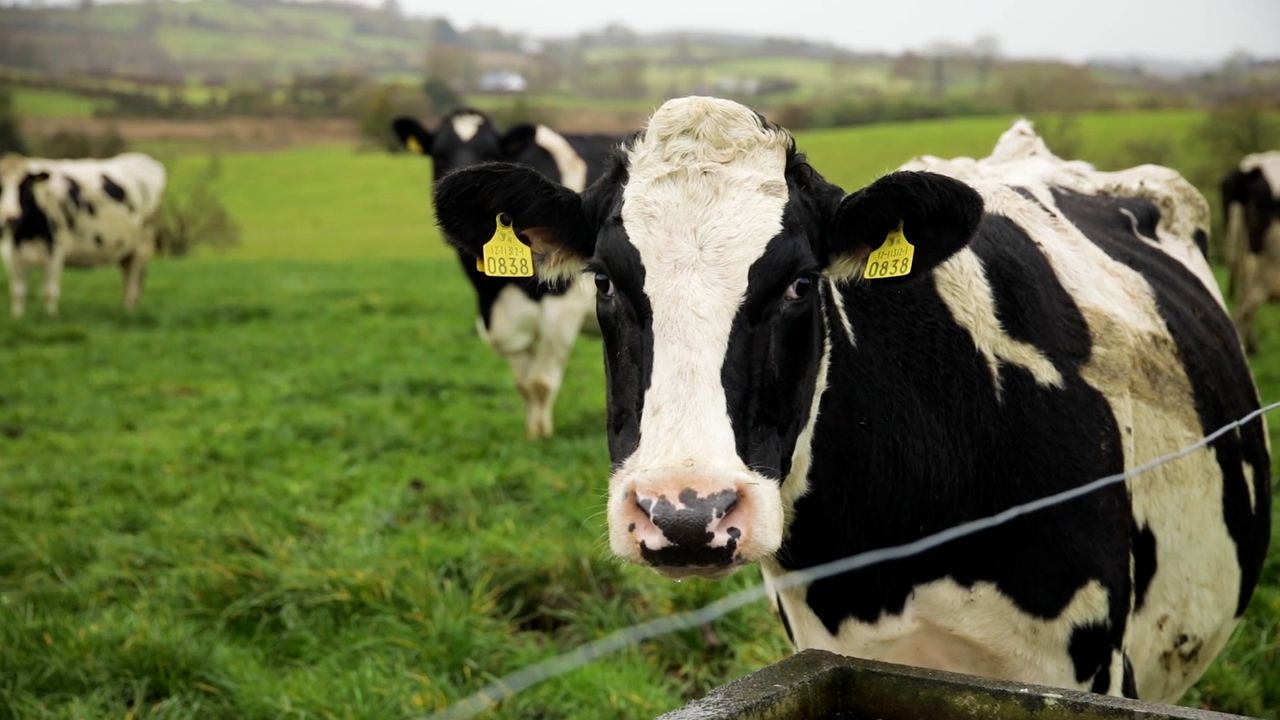
The final push to finish the rotation is now on, as grass growth has fallen back to 31kg of dry matter (DM)/ha, while the stormy weather left unfavourable conditions behind.
This end to the grazing season has been fairly ideal, something that was needed following the tough drought throughout the summer.
Silage and extra meal was added to cows' diet throughout the grazing season, which has left a hole in many pockets in terms of the cost of production.
The stagnated growth has also meant that silage supplies have been shortened and the worry of a fodder crisis was the topic of discussion throughout the year.
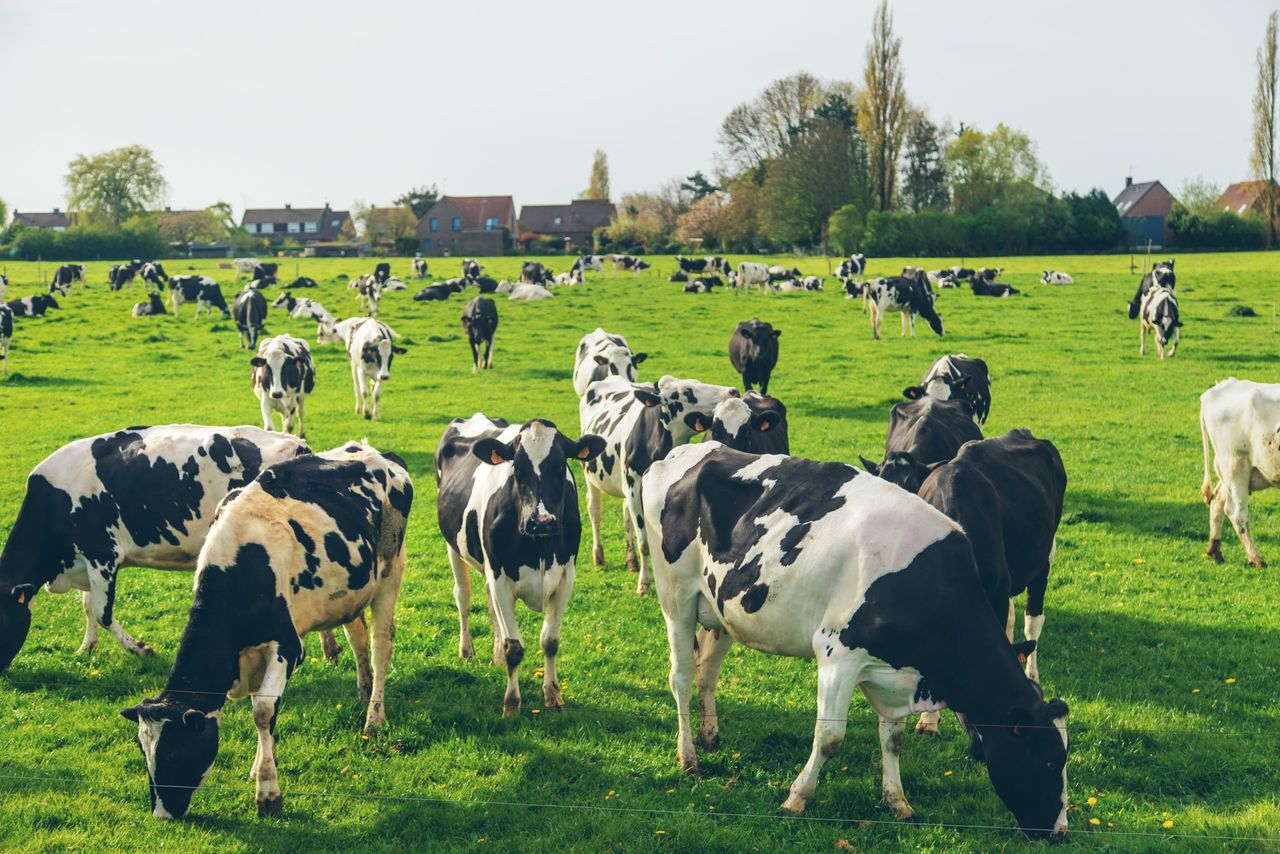
However, the elongated dry, mild weather has meant that cows have been able to stay out at grass, and a final cut of silage was cleaned up, which has alleviated the pressure on fodder supplies for this winter.
Grass growth
A balanced approach needs to be taken over the next couple of weeks, as while on one hand, farmers should try and keep grass in the diet, by day at least, to keep costs down and keep milk protein up, farmers must also be mindful of closing off the farm at a decent cover.
The paddocks that should be targeted over the next couple of days are the clover paddocks and the reseeds to allow light into the base and get a good growth rate.
As it stands, average growth rates have dropped below demand and are sitting at 35kg DM/ha, while demand sits at 39kg DM/ha.
The average farm cover (AFC) is now at 781kg DM/ha, while pre-grazing yields have been recorded at 2,000kg DM/ha.
The typical diet across the country is 13kg DM of grass, 4kg of meal, and 2kg of silage.
If conditions stay wintery, utilising strip fencing should allow farms to get 60% closed over the next few days.
On the other hand, if another dry spell comes in, it is important not to overgraze during November, as each week delayed in closing reduces spring grass supply by over 100kg DM/ha.