What are the predicted key crop margins for 2027?

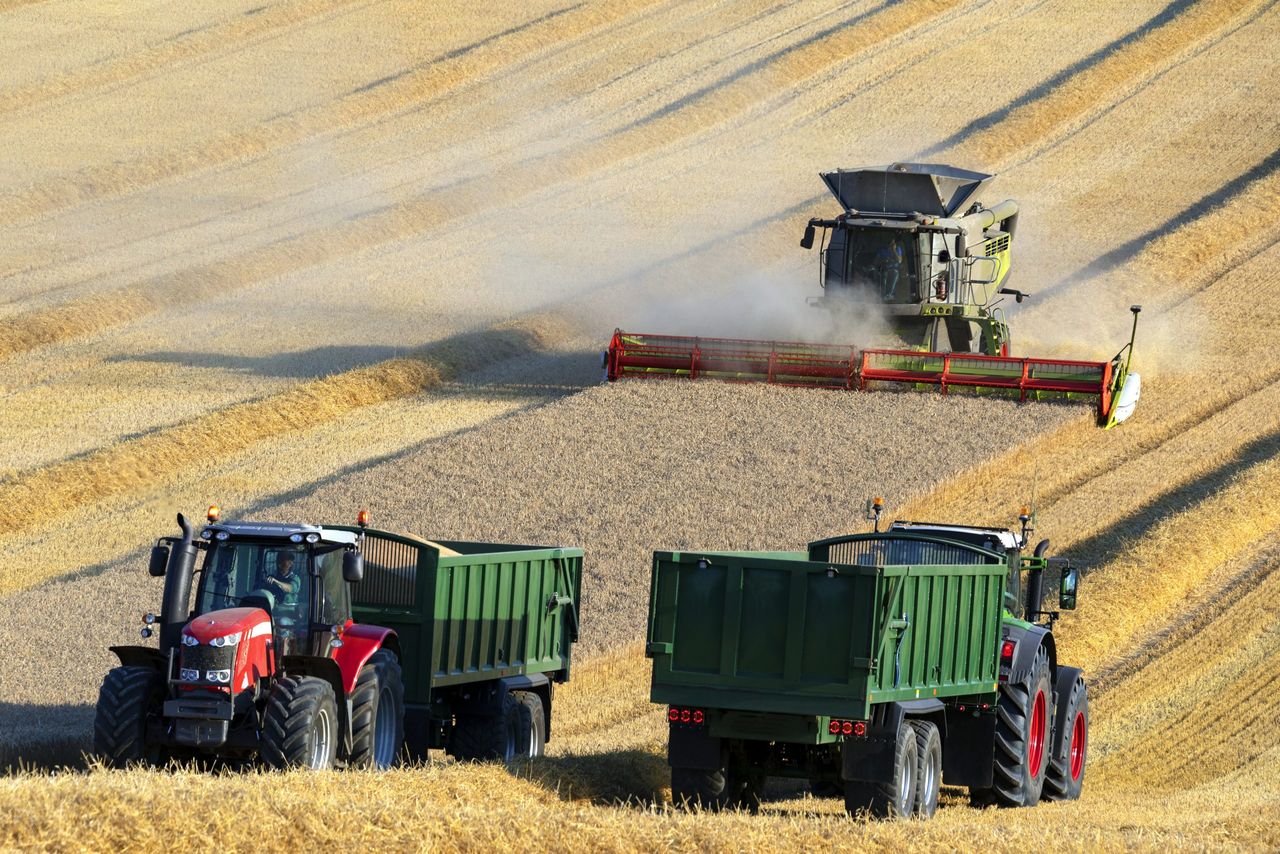
Teagasc has produced a series of 2027 gross crop margin projections for cereals, oilseed rape, peas, beans, potatoes, and beet.
The figures reflect the continuing pressure on input costs.
Winter wheat
Where 2026/2027 winter wheat is concerned, the envisaged fertiliser cost comes in at €241/ac with fungicides adding another €117 into the system.
Total variable costs are estimated at €772.
The break even yield figure for winter wheat, in terms of grain only, is 3.52t/ac.
The projections take no account of support payments. Straw output is estimated at €101/ac for all cereal crops.
The two exceptions here are winter barley and winter rye, where the figure goes up to €121.
Winter barley
Winter barley for 2026/2027 is set to remain another high cost input crop.
Teagasc estimates a fertiliser input of €239/ac with fungicide costs coming in at €59/ac. The breakeven winter barley yield figure is 3.5t/ac.
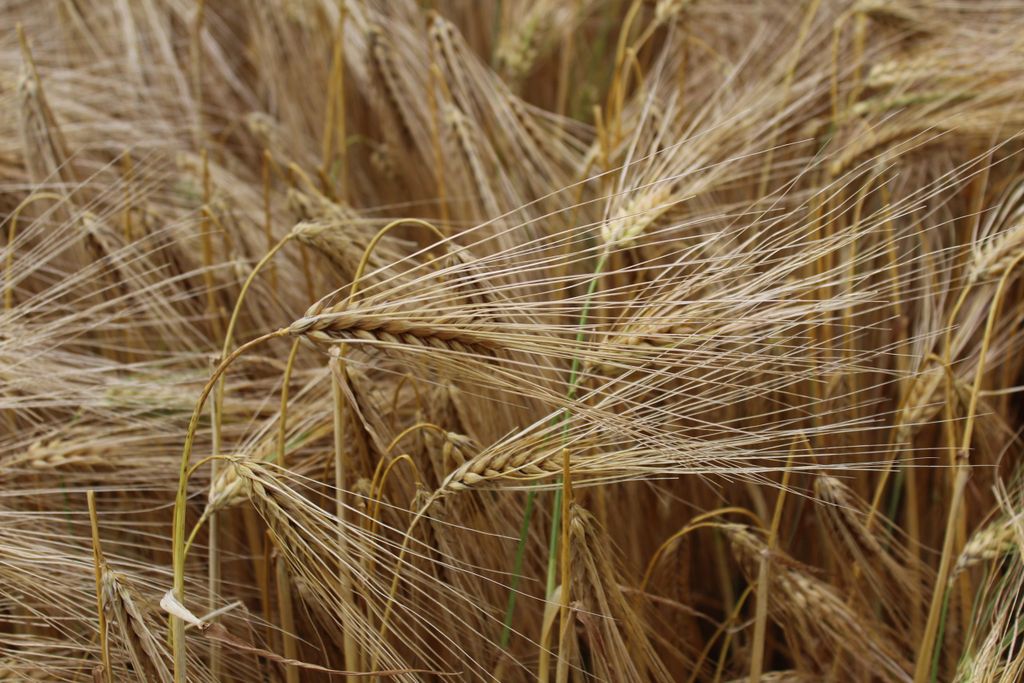
Irish winter barley yields have been extremely disappointing over recent years with take-all identified as the key issue in this regard.
Given these circumstances, there is evidence that tillage farmers have committed to planting winter barley as a first cereal after a break crop in 2026/2027.
Oilseed
Winter oilseed rape was the true success story of the 2025/26 growing season in Ireland. And the Teagasc projections for the year ahead are further endorsing this sentiment.
The key driver here is a strong price for oilseeds and the improving rape yields that Irish farmers have managed to secure.

Looking ahead, the Teagasc projections for 2026/2027 point to a breakeven yield for winter oilseed rape of 1.3t/ac.
Additionally, rape straw has been valued at €61/ac.
Total variable costs associate with the crop come in at €651/ac; the biggest contributor here is fertiliser at €236/ac.
Legumes and potatoes
Where peas and beans are concerned, the big driver of sustainability in 2027 will remain the availability of the Protein Aid Scheme.
Teagasc estimates this figure to be €202/ac for the growing season ahead.
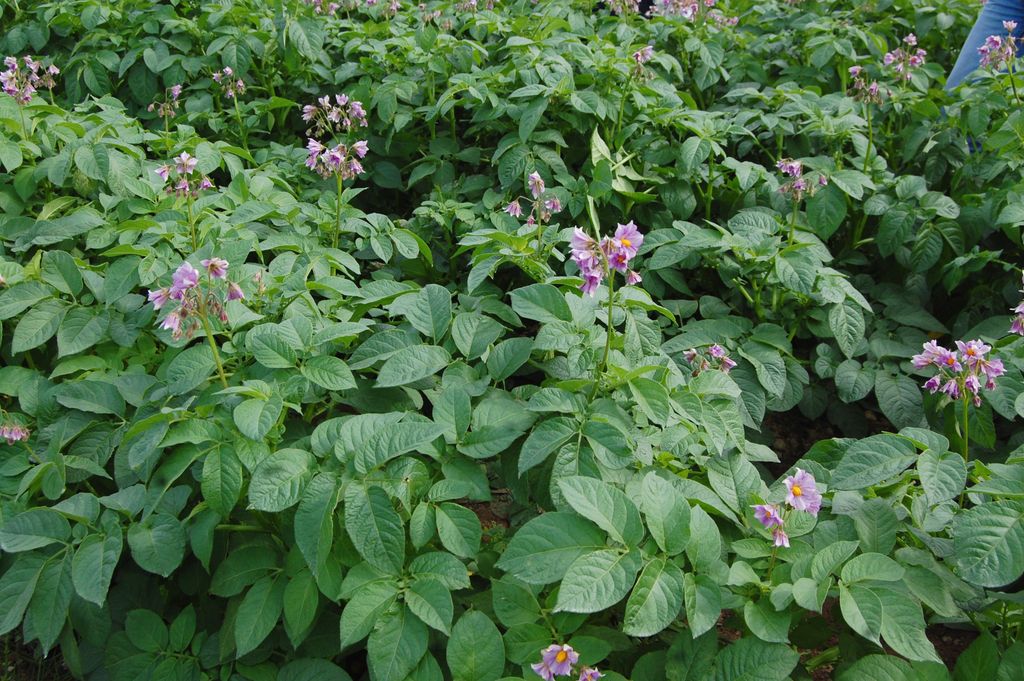
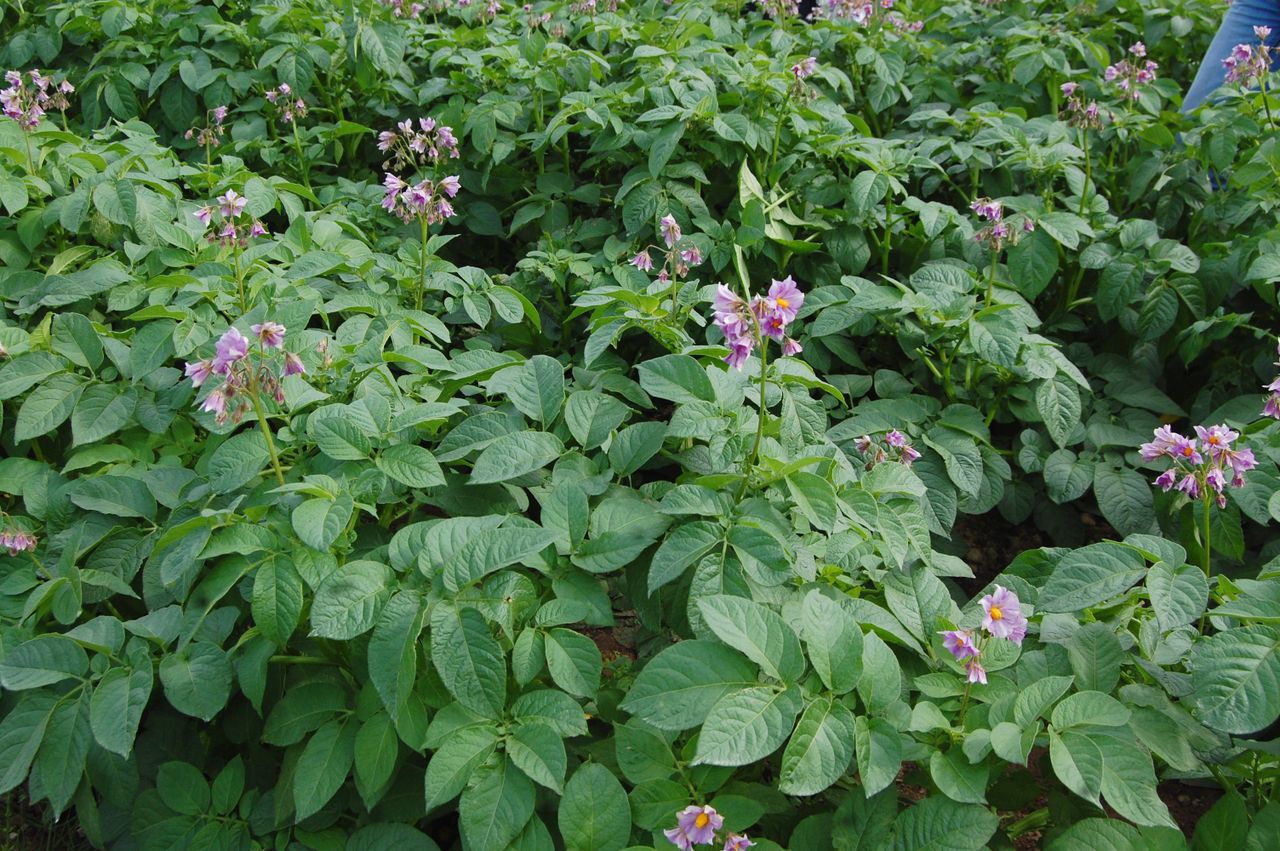
In the case of potatoes in 2027, total input costs have been estimated at €4,804/ac with breakeven yields projected at 14.8t/ac.
But estimates are just that. The real driver of profitability within tillage for 2026/2027 will be the final yields secured next harvest.
Winter crops
Meanwhile, winter cereal and oilseed rape crops have gotten off to an almost perfect start.
Ground conditions have remained excellent up to this point in the autumn planting season.
Growers have also had the opportunity of effecting weed control measures in perfect conditions.
As is always the case, the weather impacting on crops next spring and summer will be the key drivers for tillage during the year ahead.