Weaker demand raises uncertainty for 2027 global pork outlook

Disappointing pork markets in the third quarter (Q3) of this year and tightening margins in key markets are leading to a reexamination of pig production for 2027, according to Rabobank.
The latest global pork quarterly report for Q4 2026 shows that weaker demand trends are putting pressure on year-end pork markets, causing uncertainty for next year's production outlook.
While prices vary by region, Rabobank said they remain below 2025 levels in most markets due to consumer demand being less than anticipated.
Inflationary pressure and lower purchasing power is impacting on food service channels in North America.
"Demand for processed meat items has also slowed as consumers struggle financially and as diet trends change," the report added.

Export disruption along with large domestic supplies in Europe have kept pork prices low in the region.
The report noted a "gradual contraction" is expected in Europe in 2027 as production gains are partly offset by shrinking sow herds.
Rabobank said pork markets in China have stabilised but are being challenged by increased beef and chicken consumption by consumers.
Brazilian pork exports hit 1.2 million tonnes in September, up 6.5% year-on-year, maintaining record levels.
Pork demand
The report forecasts that global pork demand is expected to remain under pressure in 2027 as consumers continue to grapple with rising costs and higher borrowing rates.
"With consumer confidence under pressure in several key markets, households are likely to remain selective about their protein purchases, shifting to more in-home meals, value cuts, and relying on retail promotions.
"Despite these challenges, pork demand is not expected to fall materially from already depressed levels.
"Pork continues to offer an attractive value to consumers in mostmarkets, especially given an increasing focus on nutrient density and high protein," the report added.
Rabobank suggested that an increase in promotional activity could help restore market balance in 2027, as long as production does not outpace demand.
"Until production aligns more closely with expected consumption, however, we expect pricing pressure for most producers," the bank said.
Rabobank believes poor returns through Q4 2026 in most markets may force the global pig production industry to reevaluate any expansion plans for 2027.
"As a result, we expect producers to focus investment on herd health, productivity, and automation, rather than herd expansion," it said.
Trade
Rabobank said the cost outlook for producers remains volatile due to uncertain global feed and fuel costs.
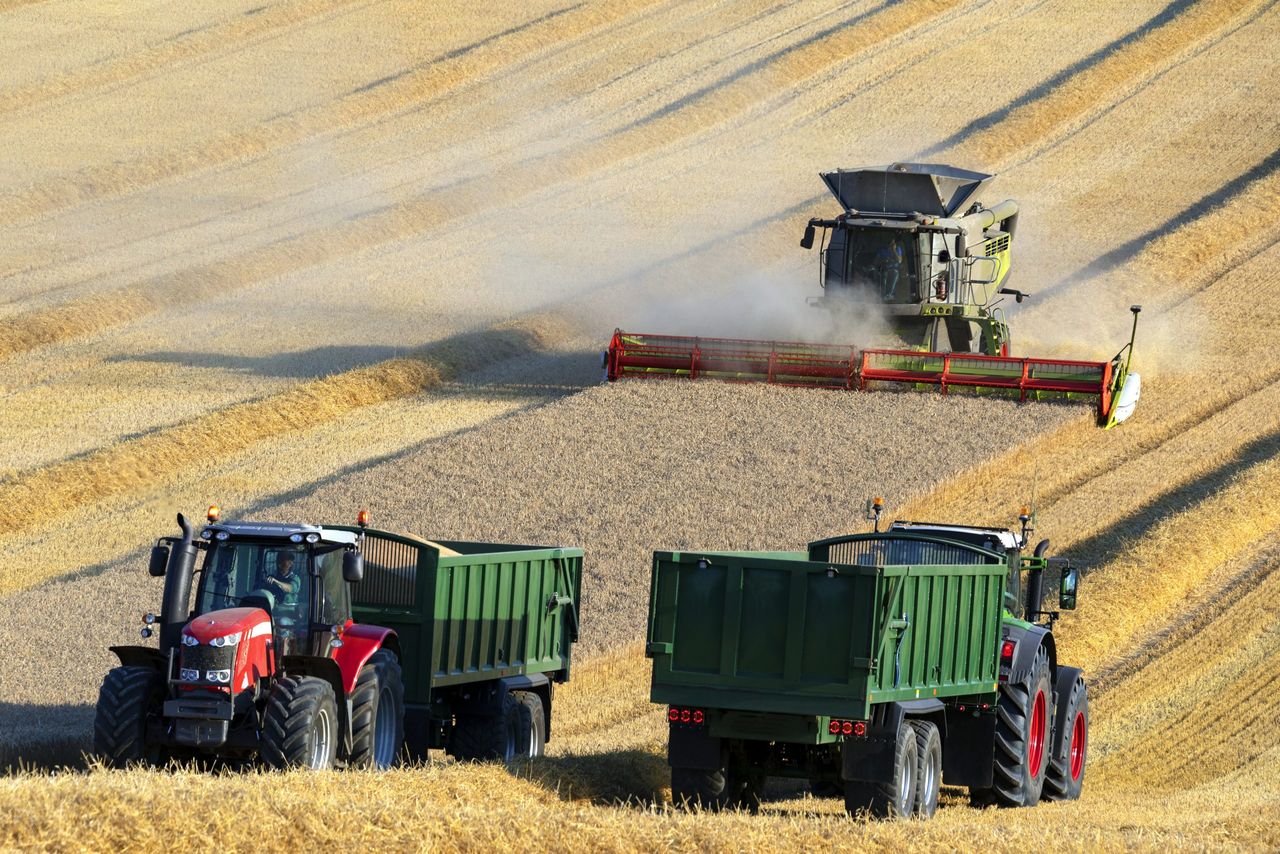
Tighter global grain stocks, along with the potential impact of El Nino on the harvest in the southern hemisphere will be a factor for the coming year.
Energy costs also remain difficult to predict as geopolitical events continue to disrupt the global oil trade.
While trade barriers have lifted in most markets, the bank noted that disease-related interruptions will continue to drive market volatility in trade.
The report highlighted how "protectionist measures are likely to become more prevalent in 2027, as governments use tariffs and quotas to support food security and protect domestic producers".
Currency movements and volatile freight rates will also impact trade through late 2026 and into 2027.
"With limited growth in overall export trade expected, RaboResearch expects a more competitive export environment as volumes fight for market share.
"Inflationary pressure is expected to weigh on pork consumption and in turn, on export volumes," the report added.