What are the best strategies for feeding late cut silage?

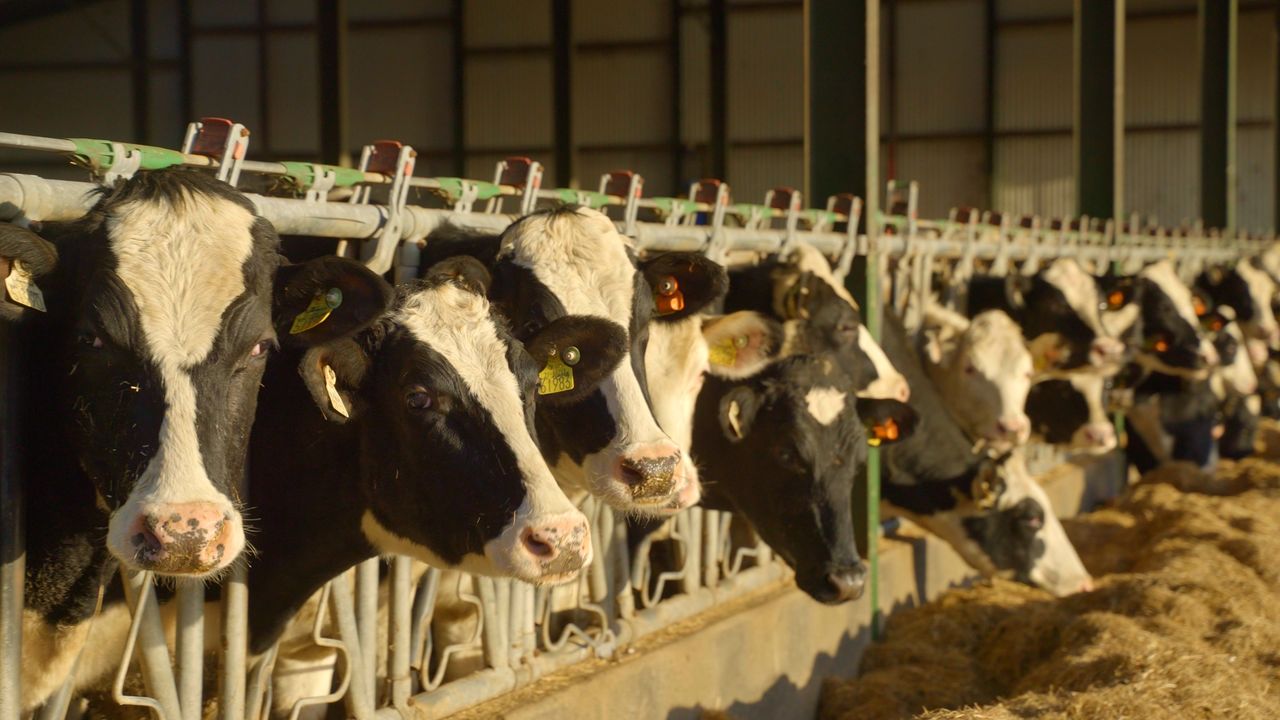
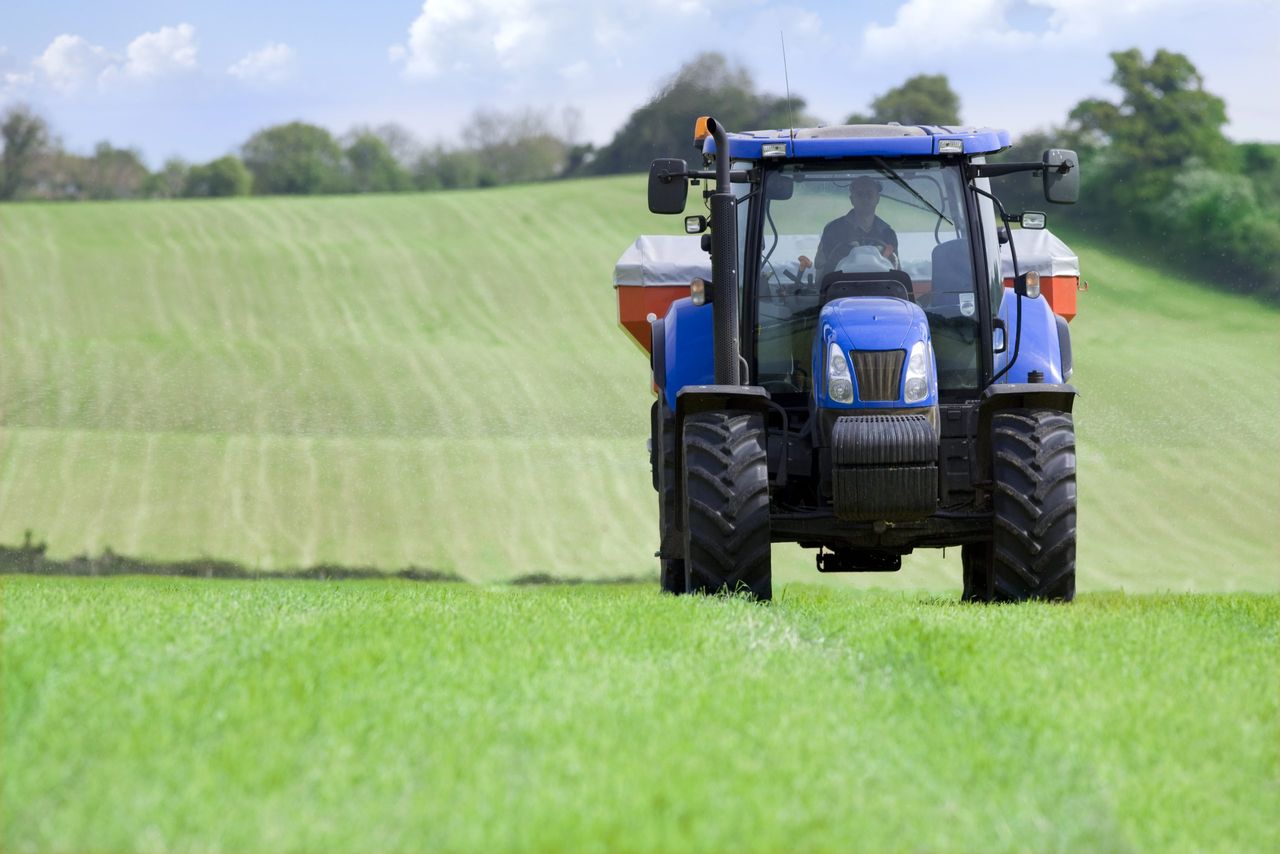
Following the two-month-long drought, fertiliser was late going out, which ultimately meant silage was late coming in.
A lot of silage in the yard was cut after mid-September, but with the grass growing so quickly after the drought, and daylight already well back when it was harvested, much of it ended up relatively poor in quality.
Ideally, farms want to see sugars over the 3% mark when cutting in order to achieve a good level of fermentation, but that target can be near impossible in mid- to late September, never mind silage cut in October.
These sugars, such as glucose, are broken down by bacteria and produce lactic acid as a by-product, which plays a major role in fermenting and preserving silage.
Without the sugars, silage preservation is poor, leading to low dry matter digestibility (DMD) and undesirable nutritional values, and ultimately more waste too, which may give a false sense of security when calculating the winter fodder budget.
But farmers will still have to make the best of what is in the yard, and feed strategically this winter.

Feeding late cut silage
The first thing every farm should do is have their silage tested; doing this will save you money in the long-run through targeted feeding.
First cut silage will more than likely be the best in terms of quality; this should be kept for the milking herd in the spring, or for winter milkers.
Ideally, milking cows should have silage with a DMD level of at least 72-75%.
Dry cows in need of moderate body condition score (BCS) gain can be easily managed on a lower level of 68-70%.
The UFL (energy) for milking cows and young stock should be 0.83-0.88 UFL and the crude protein (CP) level should be above 14%; lower DMD and/or nitrogen (N) application will reduce your CP.
The PDIE - which is your metabolisable energy supply - is determined by your UFL and CP levels in the silage, and should ideally be at 80g/kg.
The intake value will indicate the silage intake potential and should be over 105g/kg for cows that are milking during the winter.
Potassium (K) content of silage should be noted, as high K silage fed from two weeks pre-calving will increase the chances of milk fever occurring, and so should be less than 2.2% pre-calving and during lactation. Over 2.4% will pose no risk.

With the weather turning and grass growth back, silage will soon be returning to the diet, but it is important to allow a minimum of five weeks between cutting date and feeding to allow for fermentation.
That means silage cut in the first 10 days of October should not be touched until mid-November.
But there is a balance at play here: silage cut with low DM levels in October will not store well, therefore farmers should be aiming to feed these early in the dry period or even from the middle of November once they have fermented.
When feeding late cut silage, alter concentrate and mineral feeding rates to match the results of your silage tests, low DM silage will require more concentrates.
Teagasc has advised farms to feed on a regular daily basis to ensure fresh silage is continuously placed in front of stock, with refusals regularly removed to prevent high volumes of wastage.