430k sheep and goats culled in Greece due to pox virus
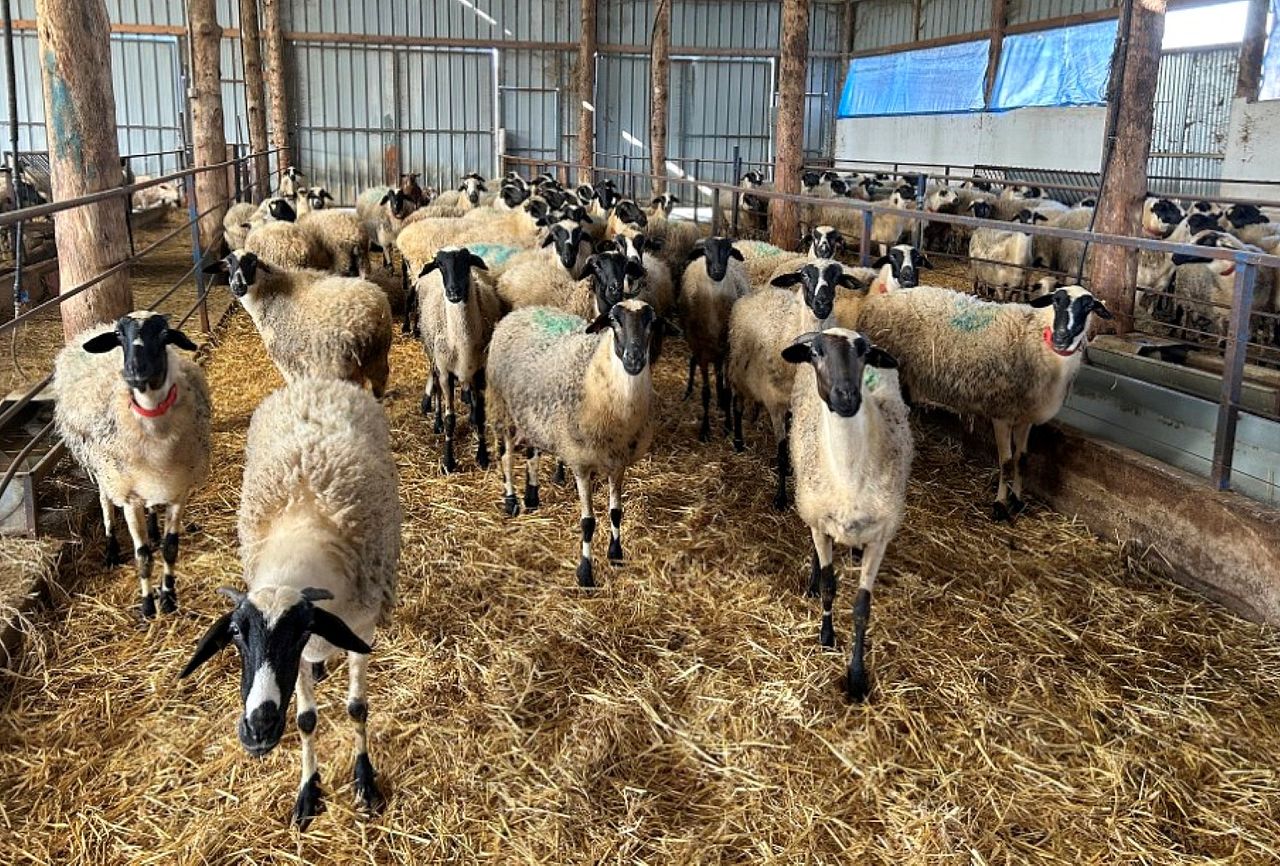
Farmers in Greece are counting heavy financial losses after around 430,000 sheep and goats have been culled during the past year due to an outbreak of highly contagious sheep pox and goat pox.
Both are viral diseases of sheep and goats caused by strains of capripoxvirus, which is characterised by fever, lumps on the skin, internal lesions on the lungs, and death.
Humans cannot contract the diseases.
The first cases of the disease were confirmed in parts of northern Greece in August 2024, but it has spread throughout many other areas of the country since then.
In order to try and prevent the spread of the diseases, the Greek government is culling all animals in affected flocks, even if only a few have displayed the symptoms.
Financial impact of culled livestock
Not only are farmers taking a financial hit with the loss of their sheep and goats, they are also losing significant income from the famous Greek feta cheese.
Around 80% of the sheep and goat milk produced in Greece goes to making feta cheese, which in 2024 accounted for €785 million in exports.
The Greek government has issued guidelines to the country’s sheep and goat farmers, outlining strict biosecurity measures for them to follow in order to curtail the disease spread.
However, some farmers have failed to follow the rules, and have been accused of putting more regions in danger.
A spokesperson for the Greek Ministry of Rural Development said: “We implemented eradication measures from the beginning according to European protocols.
“Nearly zero cases were recorded in spring 2025. The committee was formed later due to many farmers failing to follow biosecurity rules, causing an explosion of cases.”
Sheep farmers
Sheep farmers Michalis Avdanas and his partner Catherina Kalliga milk 350 Chios sheep on Avdanas farm, situated at the foot of Mount Olympus, close to the town of Elassona.
Since Michalis took over the farm in 2016 after his father passed away, the couple have bred a nucleus flock with high genetic merit and high production traits.
Both Michalis and Catherina are vets, and luckily, the disease has not reached their farm.
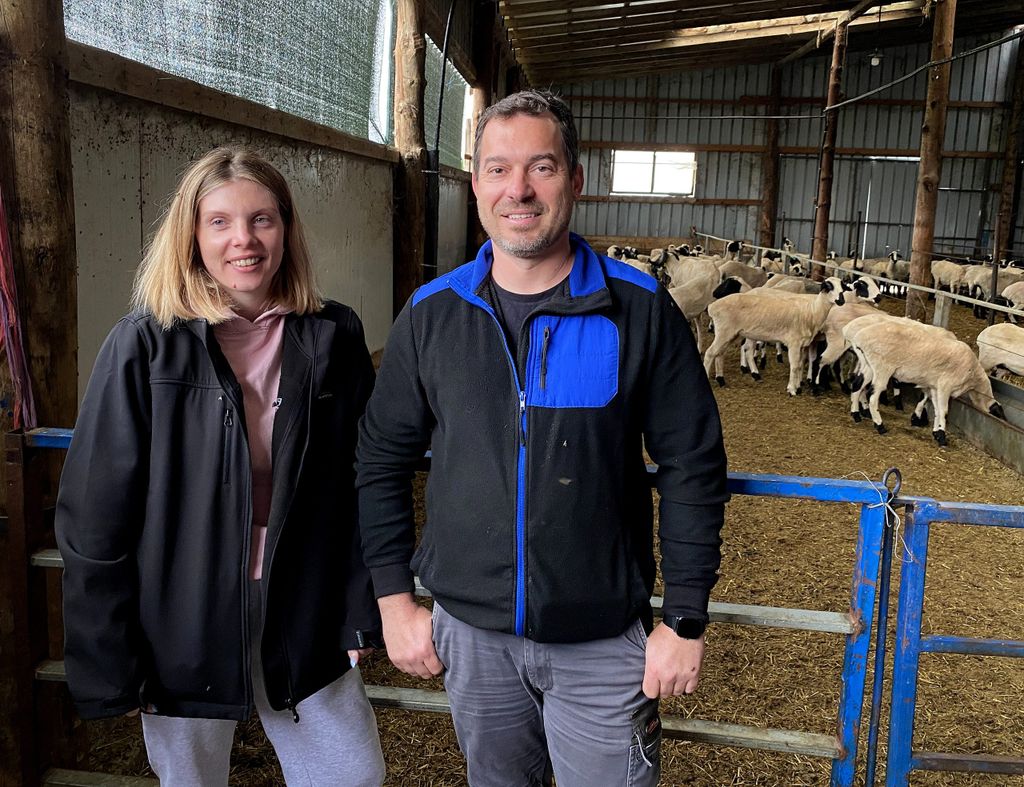
They maintain high biosecurity measures to keep the disease at bay and protect the flock they have worked so hard to build up.
Catherina said: “The cull is taking place throughout the country, and, especially where a positive case of smallpox is found, the entire flock is slaughtered.
“Both the sheep and goat pox viruses are highly contagious within flocks and very resistant in the environment.
"According to legislation, complete culling and sanitary burials must be implemented. There are no treatments for the diseases.
“Thankfully, the virus has not reached our farm and our animals remain healthy. However, the virus can infect any flock at any moment," she added.
Michalis and Catherina apply comprehensive biosecurity measures so that no more flocks will need to be culled.
"Unfortunately, the only thing we can do for now to protect ourselves is thorough disinfection,” Catherina said.
Sheep and goat farmers in Greece have been urged to inspect their animals every day, looking out for any scabs, ulcers, or tears and report them to the authorities if found in more than one sheep or goat.
Farmers have also been advised to not use equipment that has been used on other farms, to avoid moving animals to places where other animals from other farms are kept, and ensure that all visitors disinfect hands, boots, and equipment before entering their farms.
Some farmers have been so desperate to protect their animals that they have been bringing in black market vaccines from Turkey, which the government is trying to clamp down on.