Winter oats a highlight of harvest 2026 in Donegal


Cereal growers in east Co. Donegal are confirming that winter oats have bucked the trend of poor yields recorded this year where other combinable crops are concerned.
The winter wheat harvest is now in full swing in the east of the county, two weeks ahead of what would be regarded as a normal cutting date.
While winter oats averaged 3.5t/ac on some farms, the average wnter barley yield came in at below 3t. Accompanying straw output was also disappointing.
Early winter wheats are averaging 3.2t/ac with straw yields holding up well.
Meanwhile, winter oilseed rape yields came in with an average yield of 1.7t/ac down from the 2t-plus figure achieved in 2025.
Harvest
It is hoped that two full days will allow Donegal tillage farmers to complete the winter wheat harvest.
Combining may not be possible today (Friday, August 14) following heavy showers yesterday. However, the weather is set pretty fair for the weekend.
Spring barley remains the main cereal crop grown in Donegal.
Many were planted out late in 2026, a reflection of the poor weather in March and early.
However, growers are confirming that spring barley yields look promising.
The first crops are set to be harvested in around three weeks’ time.
Yields
A number of key trends have already been identified as impacting on 2025/2026 grain yields in Donegal. Many crops established well in the autumn.
However, the cold, wet spring conditions prevented winter wheat and winter barleys from thickening up as growers would have wanted.
Barley Yellow Dwarf Virus (BYDV) impacted to a degree on winter wheat and spring barley crops.
In addition, the drought conditions that impacted throughout the entire months of July brought crops forward much more quickly than would normally be the case.
The subsequent curtailment of the growing season had a significant impact on final yields and grain quality.
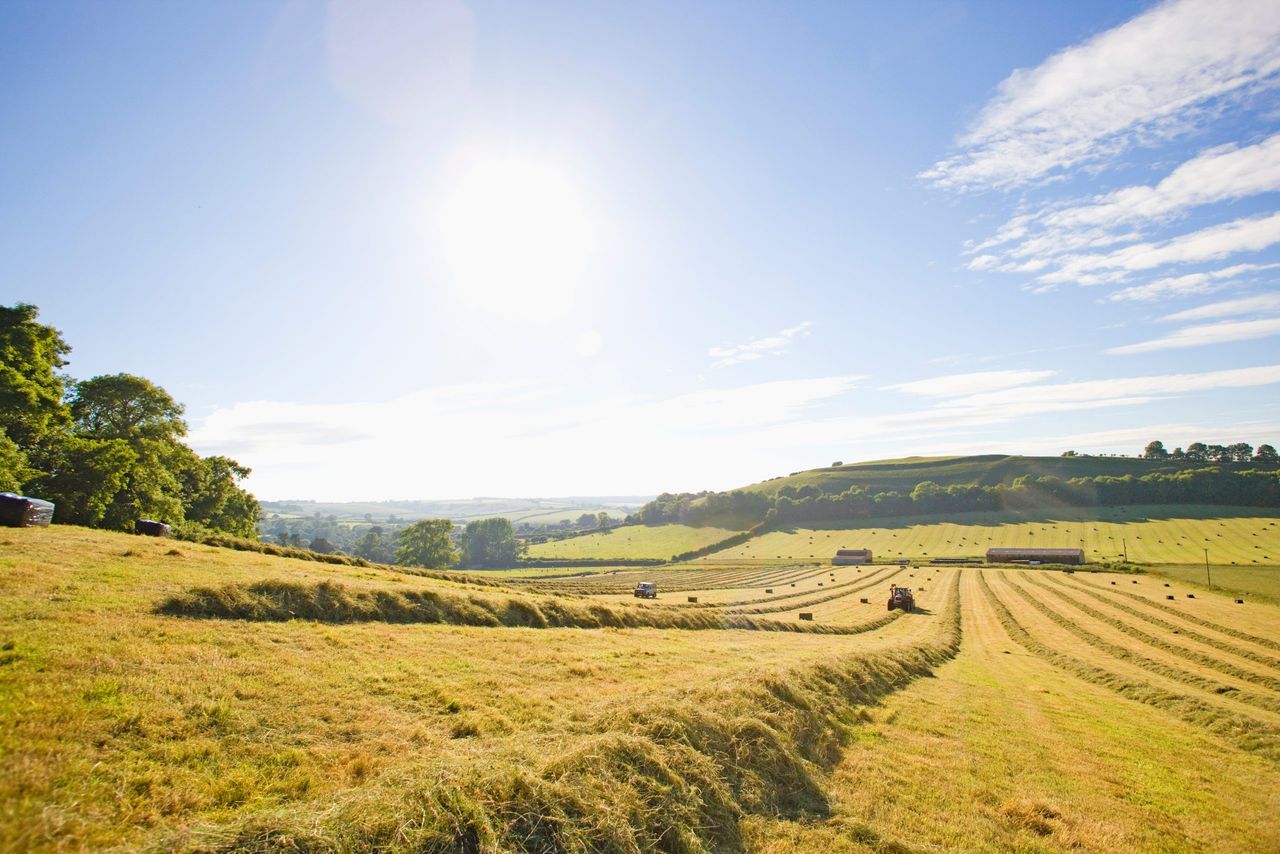
The coming days will see cereal growers in Donegal concentrate on baling wheat straw.
After that, farmers’ attention will switch to the drilling of winter oilseed crops.
The big issue here is soil moisture levels.
However, it is anticipated that the significant rainfall expected in the north-west next week will sufficiently reduce soil moisture deficits so as to allow the drilling of crops get underway.
The area of oilseed rape sown out in Ireland has increased consistently over recent years.
It is envisaged this trend will continue into 2026/2027.