'Lameness is single biggest health problem on many farms' - vet

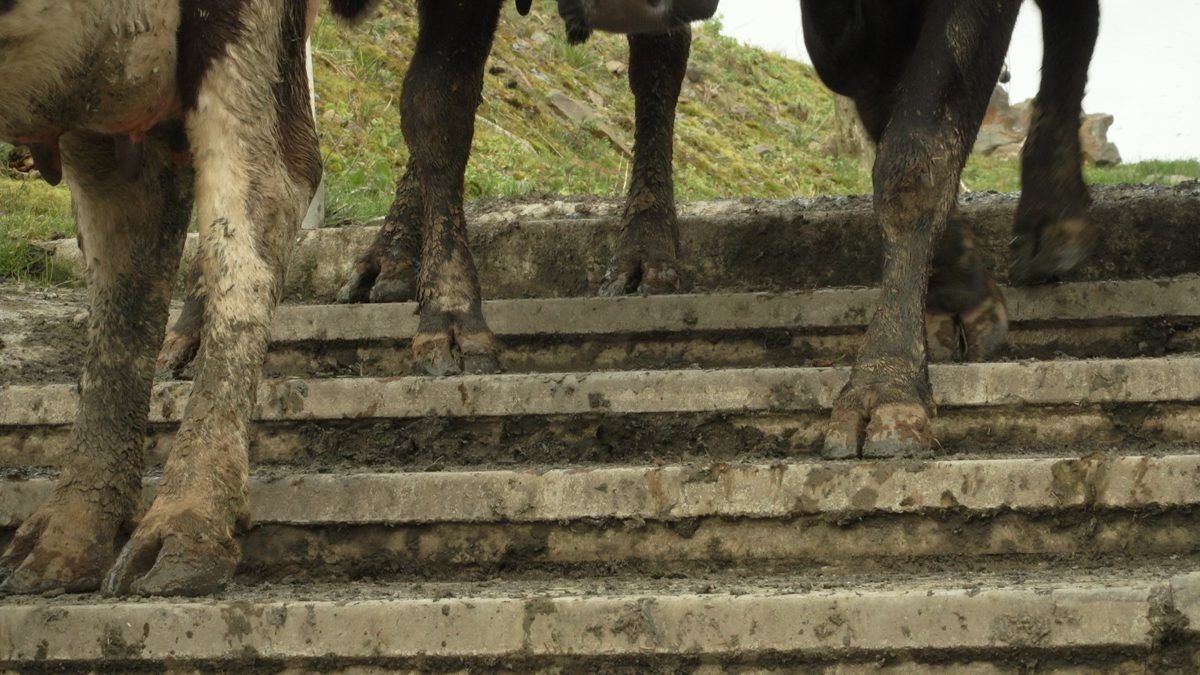
Lameness is the single biggest health problem on many farms across Ireland according to the well-known vet, Ger Cusack.
Cusack, a lameness specialist with Greenway Agritraining, spoke on a summer lameness webinar facilitated by Munster Bovine alongside his colleague, Ned Dunphy, and host, Denis Howard.
Cusack said: "Vaccines have improved greatly the health status of lots of farms; cell count is much better than what it used to be, fertility is being managed very well on a lot of farms; but I think there is still many farms out there struggling with lameness."
Cost of lameness
Every farm has dealt with lameness to some extent at one stage or another, meaning every farmer knows what a scourge it is.
Cusack and Dunphy highlighted the costs associated with lameness when you consider all factors involved.
The costs they referred to are based on research carried out by the University College Dublin (UCD) back in 2024.
According to the research, the following are average costs of different forms of lameness;
- Mortellaro - €201/case;
- White line disease - €226/case;
- Foot rot - €308/case;
- Sole ulcer - €536/case.
Further research shows that a 100-cow herd with low prevalence of lameness could still cost farms up nearly €5,000 or 0.8c/l, while a high prevalence could cost in excess of €14,000 or 2.35c/l.
Low prevalence consisted of five cases of Mortellaro, five cases of white line disease, and five cases of sole ulcers within a year.
High prevalence consisted of 20 cases of Mortellaro, 20 cases of white line disease, and 10 cases of sole ulcers.
Management
Dunphy noted how the majority of problems they see are in the hind feet of the cow, adding that the hind feet is like the back wheel driving a car, it will see more wear and tear.
To mitigate mechanical issues such as white line disease or sole ulcers, farmers need to focus on infrastructure.
Ensuring roadways are wide enough for the herd with a 'cow-friendly' surface of 1in fine binding on hard surface and with a good camber will go a long way.
Farmers were reminded to ensure there is adequate space of 1.5m²/cow in holding yards, and sweep stones off any concrete surfaces.
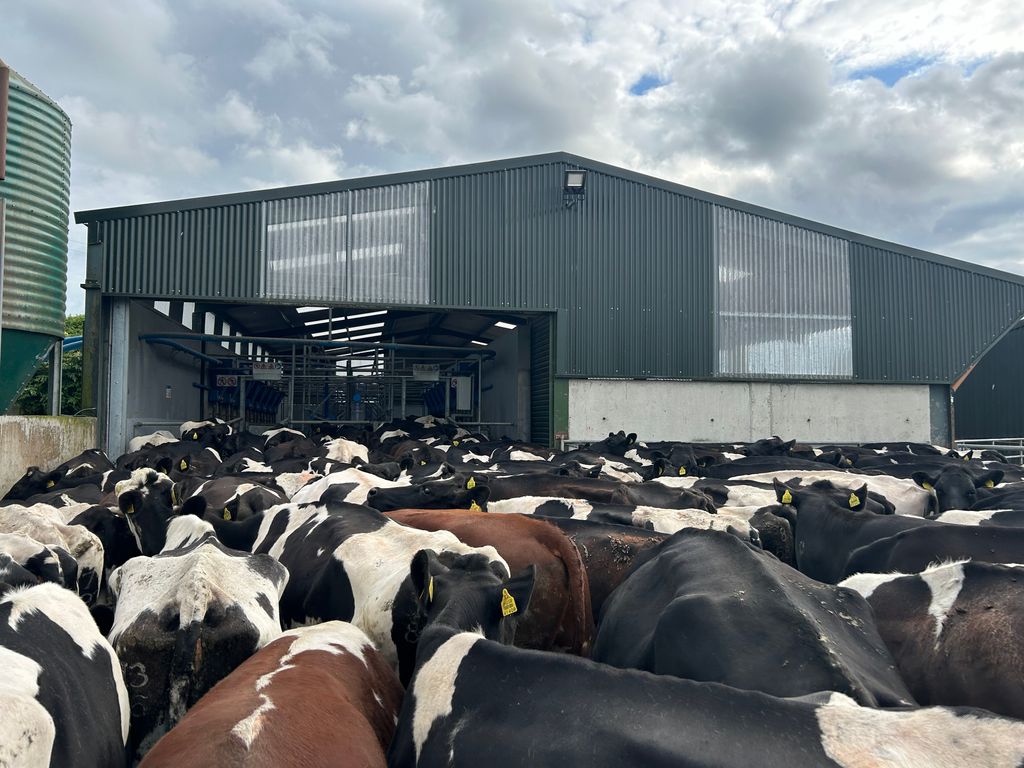
It is also worth considering installing rubber matting where cows have to turn sharply, such as the top of the parlour, with Cusack also stating that grooving slippery concrete provides a great return on investment.
He said it does not need to be elaborate, but a 0.5in wide, 0.5in deep groove spaced out every 3in will save a lot of cows from slipping.
Cusack also noted that cow movement needs to be smooth, with cows moving at their own pace.
He recommended using a Batt Latch rather than pushing cows with quads or dogs.
Dunphy reminded farmers to regularly mobility score cows to identify issues early and provide prompt treatment.