Advantage Beef Programme
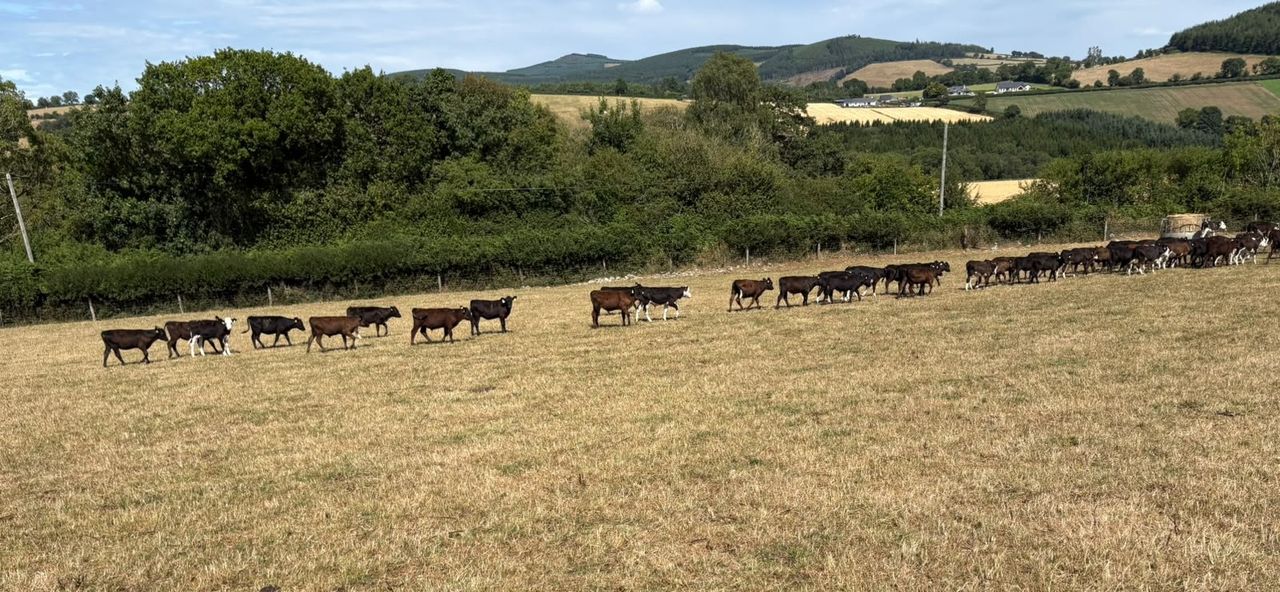
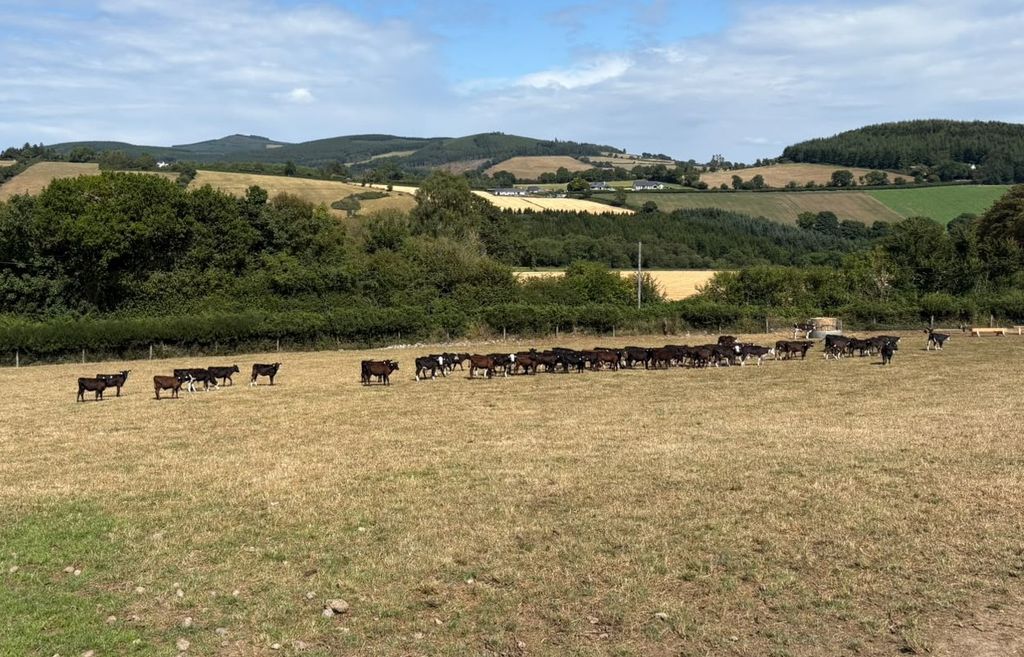
The low grass supplies means supplementary feed rates for dairy-beef calves outdoors have had to increase.
This is also the case on the ABP Demo Farm in Co. Carlow.
Agriland caught up with ABP's agri-sustainability manager Stephen Connolly to hear how the farm is managing the over 400-head of calves in the current dry spell.
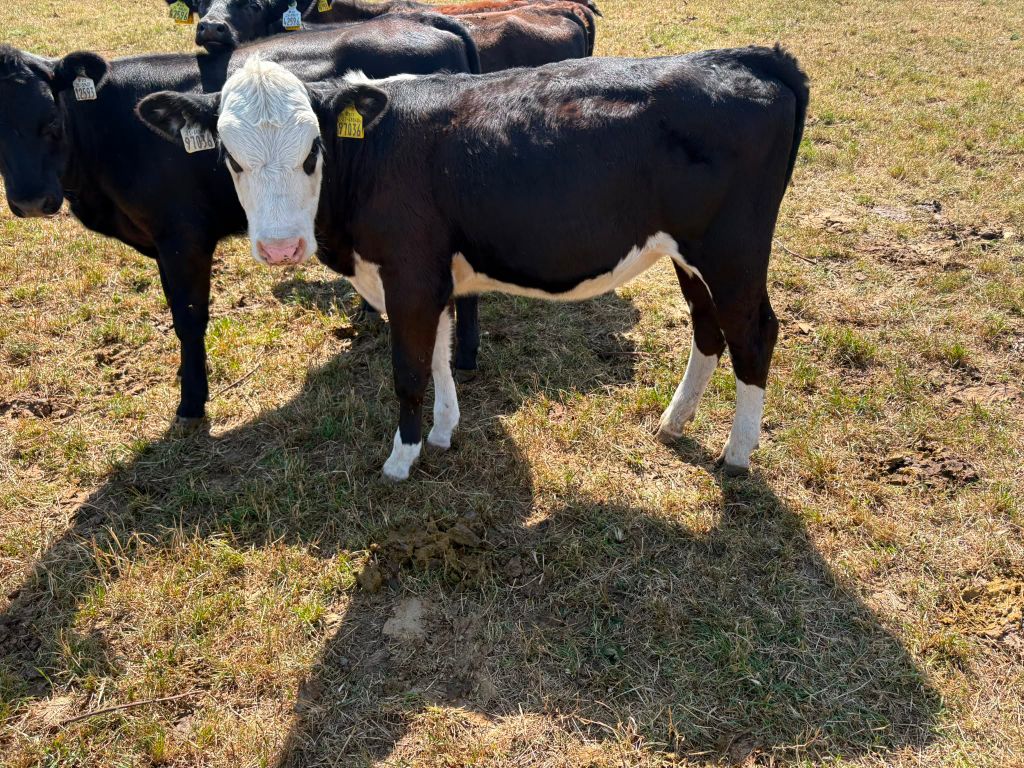
All spring-2025-born dairy-beef stock on the farm are being supplemented with grass silage, and all of the spring-2025-born heifers have now been housed for finishing.
Forward steers will also be housed for finishing and the remaining steers will be fed grass silage and concentrates under a strip wire outdoors.
The scarce grass supplies are being kept for the calves on the farm and these calves are also being supplemented with hay and concentrates.
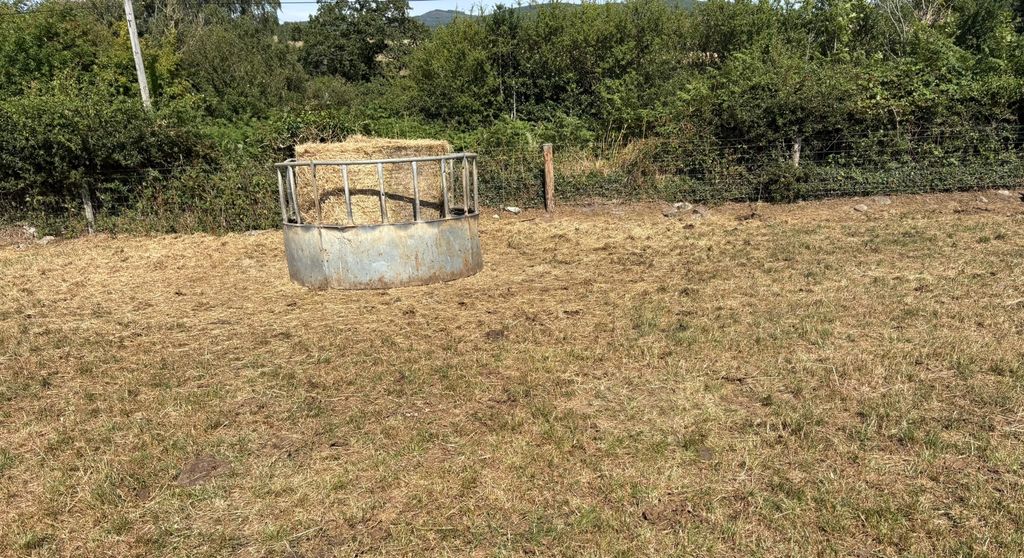
Farm manager Matthew Quinn said that the farm has only received 2mm of rain in the past month and the average farm cover (AFC) has fallen to 31kg DM/Ha.
Connolly explained: "Calves are now being fed up to 3kg concentrates/head/day to sustain daily liveweight gain."
Normally, calves would be on 1.5kg/head/day concentrates at this time of year, he said.
"It was originally increased to 2kg plus hay when grass growth stalled but we have had to change management tactics on the farm as grass supplies deteriorated further.
"We have now moved calves up to 3kg concentrates and have took the lighter calves out of the batches and made a separate group of these lighter calves.
"Lighter calves are also getting supplemented with high-quality silage," Connolly said.
He advised farmers to keep a close eye on calf performance and to act where calves are falling behind.
He said that where grass supplies are tight, calves are more reliant on supplementary feed so ensure that smaller, shyer calves are getting fair access to feed.
Caution when increasing concentrate feeding rates for calves
Connolly advised farmers to "be very careful when increasing concentrate feeding levels to calves".
"It is important to ensure that copper levels are correct in your concentrate feed.
"If you feed concentrate at high levels with too much copper in the feed, it can cause issues with the calves' liver, so it is important to check this with your nutritionist," he explained.
He added that this is particularly the case where any calves have been administered an injectable mineral.
The coming weeks
Grass growth will remain stagnant until sufficient rainfall arrives on the farm.
The ABP agri-sustainability manager said: "We think it will be 3-4 weeks until we have grass.
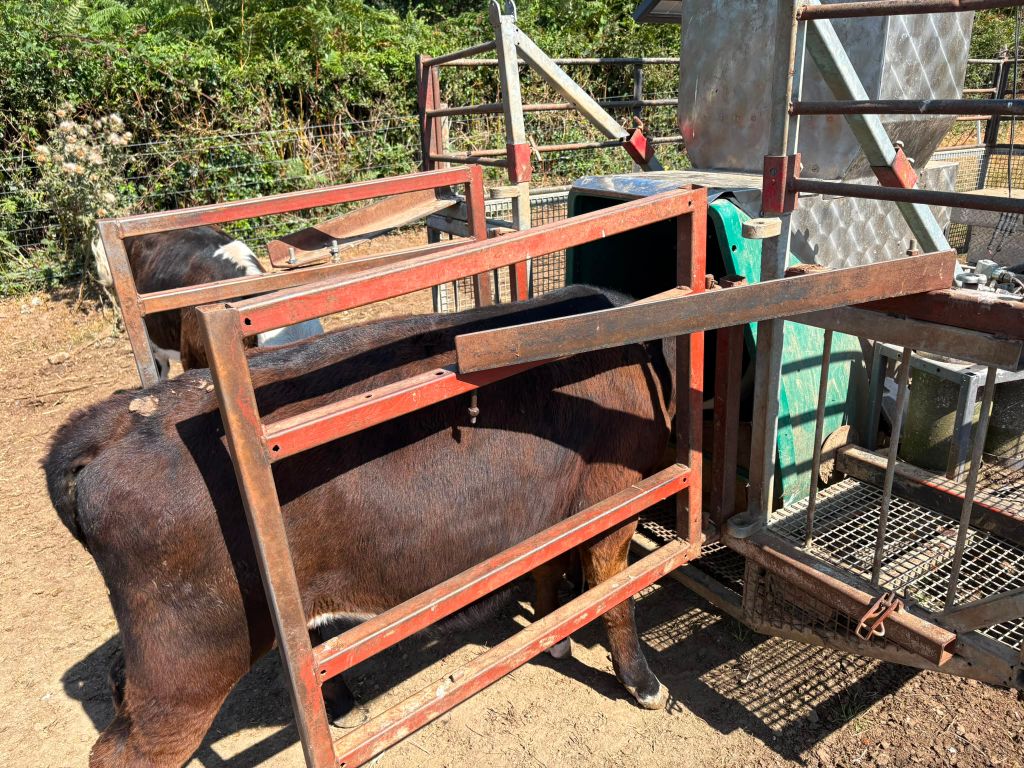
"We do think we will get a massive burst of grass then but we have over 400 calves there and we will have store lambs bought in by then so they will make use of the grass."
He said that the dry spell is causing challenges in many parts of the country, with ground "very burned up in places".
Connolly advised farmers to keep a particularly close eye on livestock performance and also to monitor water pumps and supplies closely until rainfall eventually returns and grass growth recommences.