Dry weather presenting opportunity for drainage installation

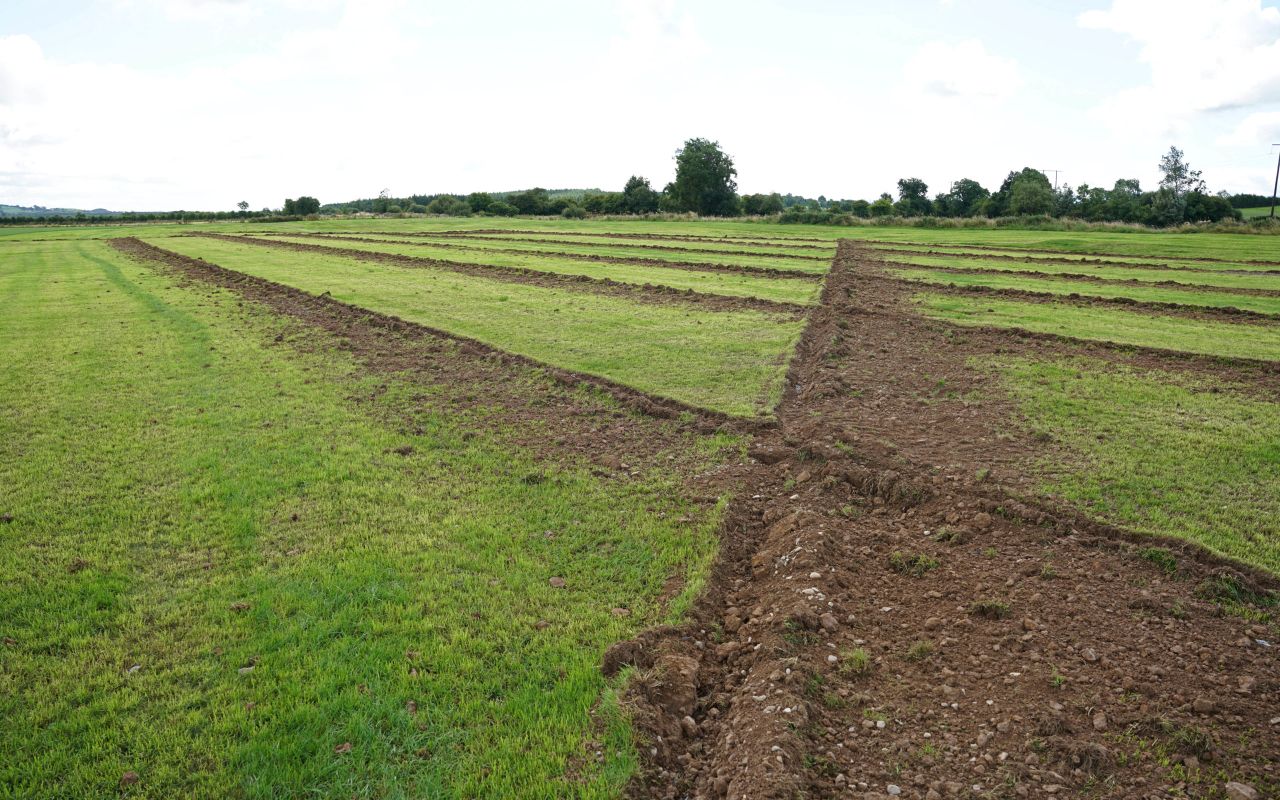
During the wet spring, a lot of drainage issues may have been identified, with farmers now getting the chance to rectify any problems.
With it comes to land drainage, there is no one-size-fits-all solution, as soil types vary from county to county, farm to farm, and even field to field.
Therefore farmers need to have the soil tested and dig test pits of approximately 2-2.5m deep, to help understand how their soil is behaving and what soil type is in a particular field.
Once that information is collected, they can begin developing a tailored drainage plan suitable for the problem fields at hand.
From here, farms can either opt for groundwater drainage systems or shallow drainage systems.
Whichever system you end up opting for, the design will be dependant on a field-specific level; everything from depth to spacing will need adjusting to suit the field.
It is important to remember that given the current soil moisture deficits, farms will not get accurate results from test pits dug now.
However, farms that had dug test pits earlier in the season will have the opportunity to carry out the actual groundwork now.
Drainage systems
Groundwater drainage systems focus on high volume water movement at a depth.
These are typically installed when water rushes into the test pit once you dig to a particular depth – usually about 4-5ft, consistently across the field.
Installing a groundwater system at that depth will help to carry water away from the area while controlling/lowering the water table.
This allows for rainwater to filter down through the soil and into the drainage system, rather than it sitting on the soil due to the water bed already being saturated.
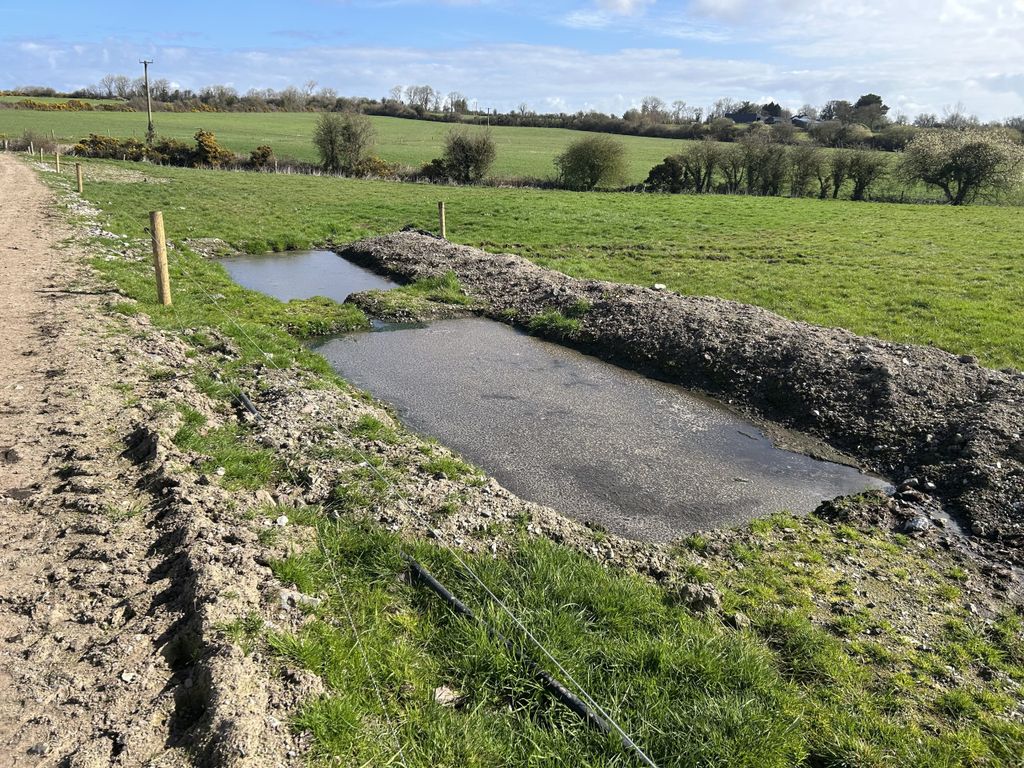
Meanwhile, heavier farms that do not meet any groundwater in the test pit, nor see evidence of water moving or the potential for water to move, will need a shallow drainage system.
This involves the creation of avenues and channels for water to move off the surface and flow away from the field.
These shallow drains are typically installed at a depth of approximately 3ft.
They are then crossed with either a mole plough or gravel mole plough to create channels to carry water to the installed drains.
Drainage calculation
When calculating how much drainage is actually needed on farm, Teagasc recommends the following calculation:
Subtract 500mm from the precipitation in your area, then work out the size of your field in hectares and multiply this value by 10.
Then multiply the figures to get the average volume of water that needs to be drained in cubic metres.
For example;
1,400mm - 500mm = 900 mm.
2.5ha x 10 = 25
900 x 25 = 22,500m3 per year
Speak to your local adviser before carrying out any work to ensure you are compliant with rules and regulations.