Permission granted for new student accommodation at Ballyhaise

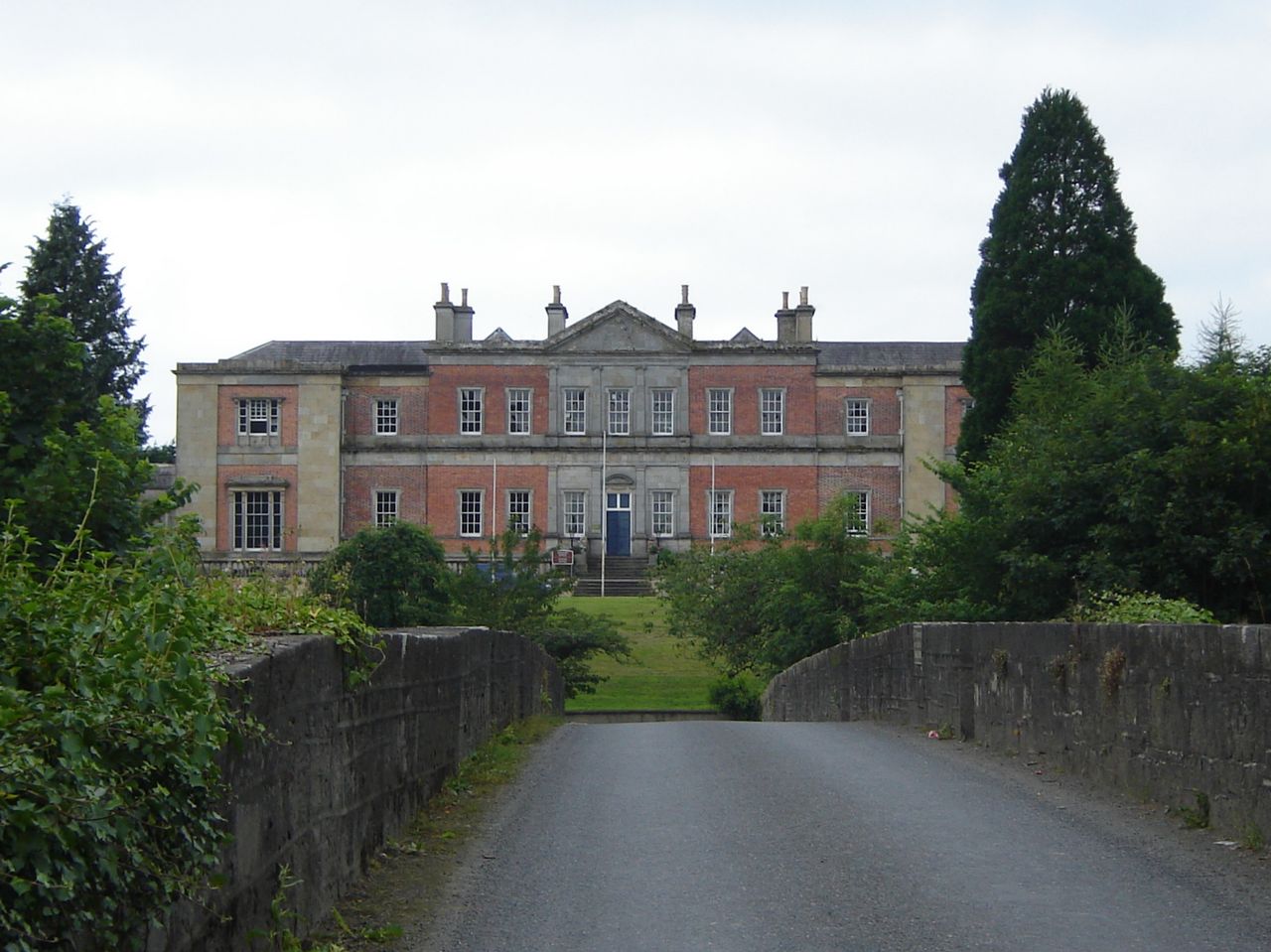
Teagasc has successfully obtained planning permission for new student accommodation at Ballyhaise Agricultural College in Co. Cavan.
The planning application was initially made in November last year, with Cavan County Council issuing the decision on the last day of June.
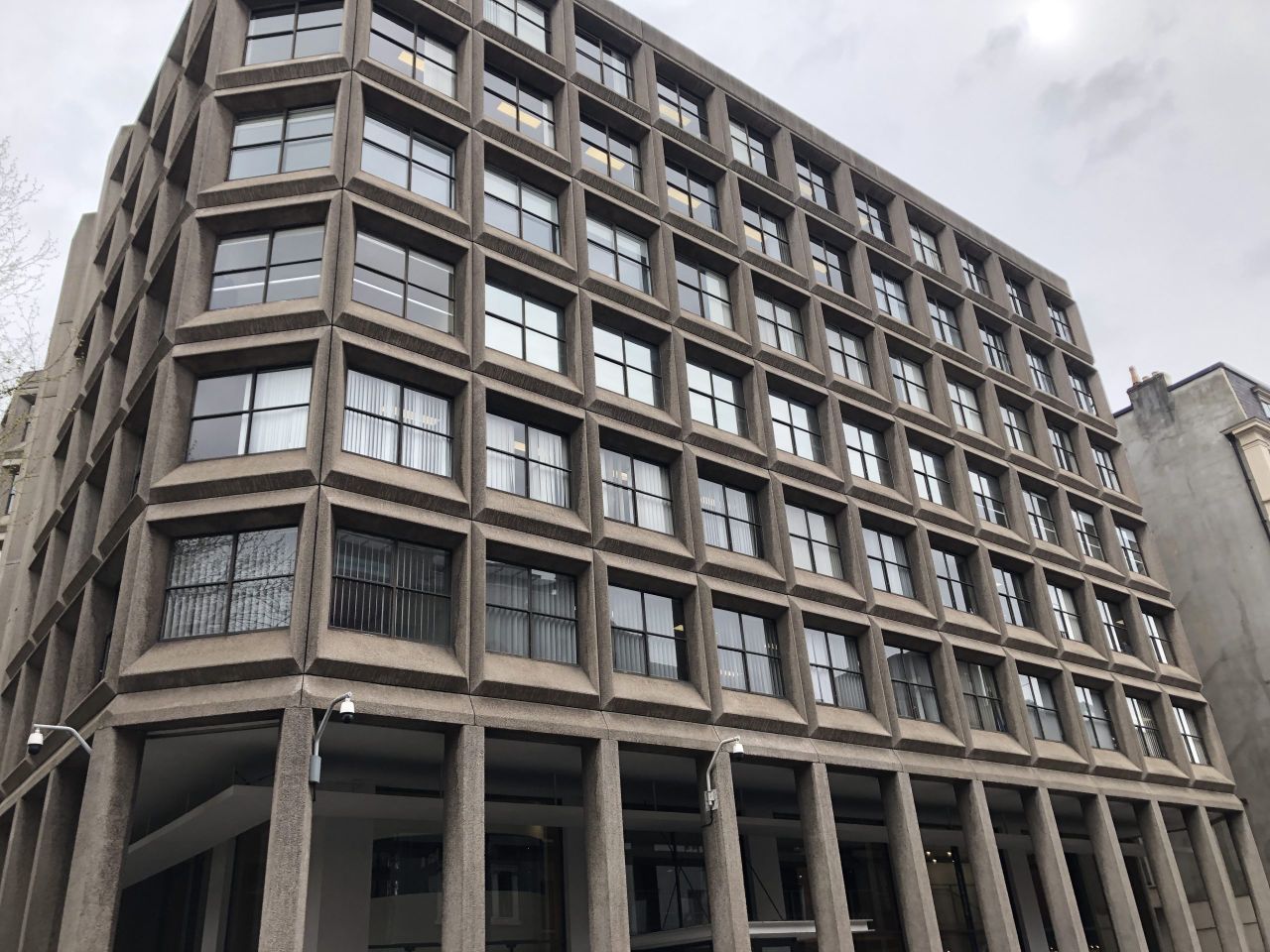
According to online planning documents, the planning permission was sought for the demolition of three existing purpose-built student accommodation blocks, and the construction of a new two-story purpose-built student accommodation building.
This new building will features 24 ensuite study bedrooms with associated shared communal facilities and ancillary accommodation.
The planning application includes the part refurbishment of the existing outbuildings to provide communal student facilities, and all associated works and services.
Cavan County Council decided to grant the planing permission, subject to 17 conditions.
These largely relate to technical and legal conditions related to safety, water quality, biodiversity protection at the site, waste collection, and protecting the local amenities.
The conditions state that works at the site during the development will take place between the hours of 8:00a.m and 6:00p.m Mondays to Fridays, between 8:00a.m and 2:00p.m on Saturdays, and not at all on Sundays.
Ballyhaise Agricultural College
Ballyhaise college is located 8km north of Cavan town. It is situated on an estate of 220 hectares of grass and woodlands, which was historically the lands associated with the 300-year-old Ballyhaise House, which still stands at the site.
Students can live in rented rooms at the college or in the neighbouring village.
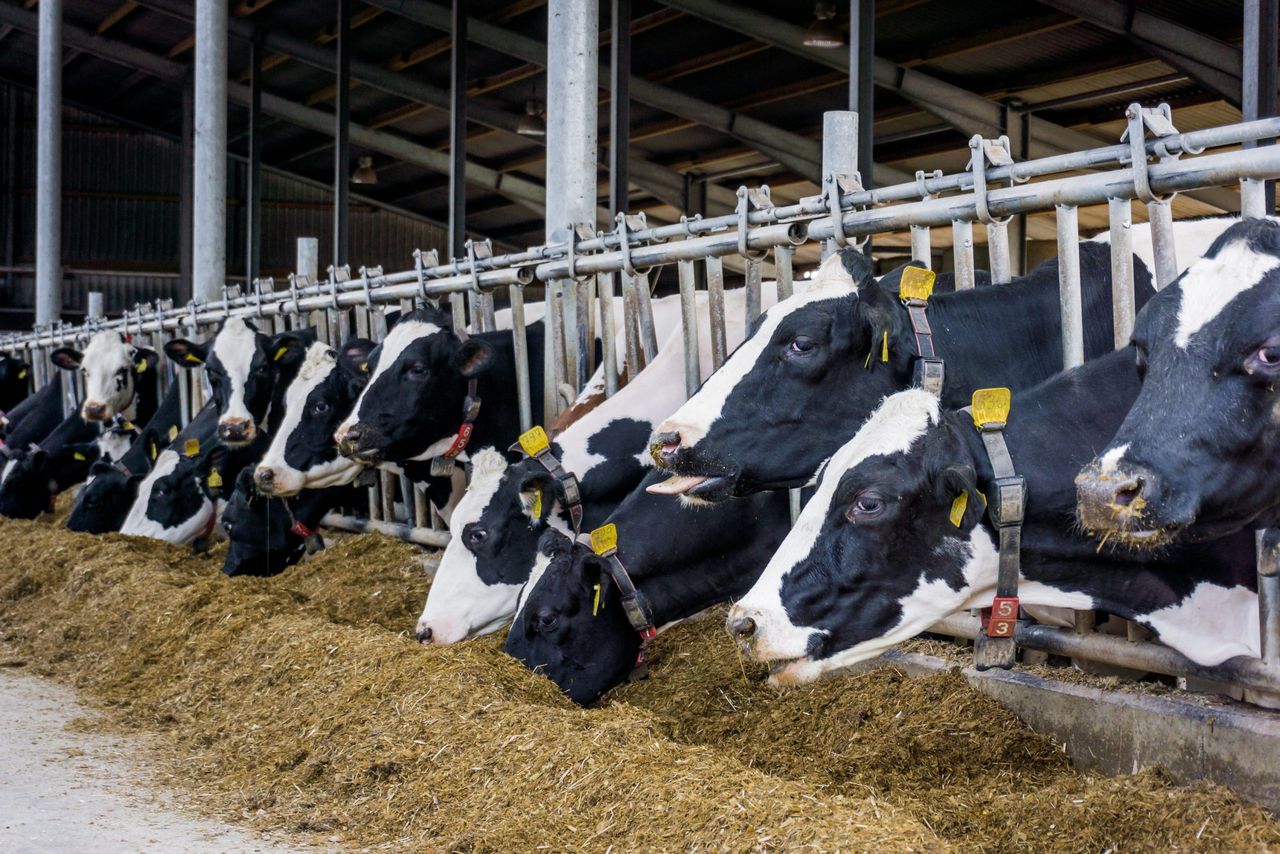
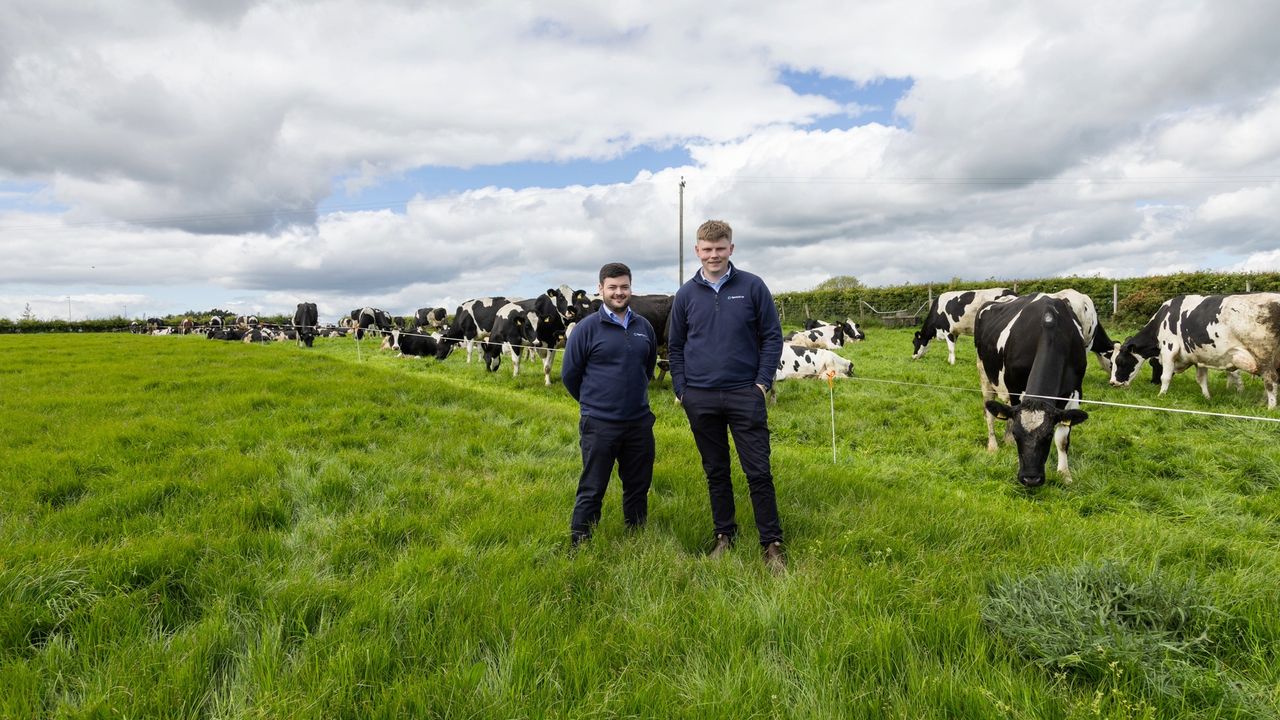
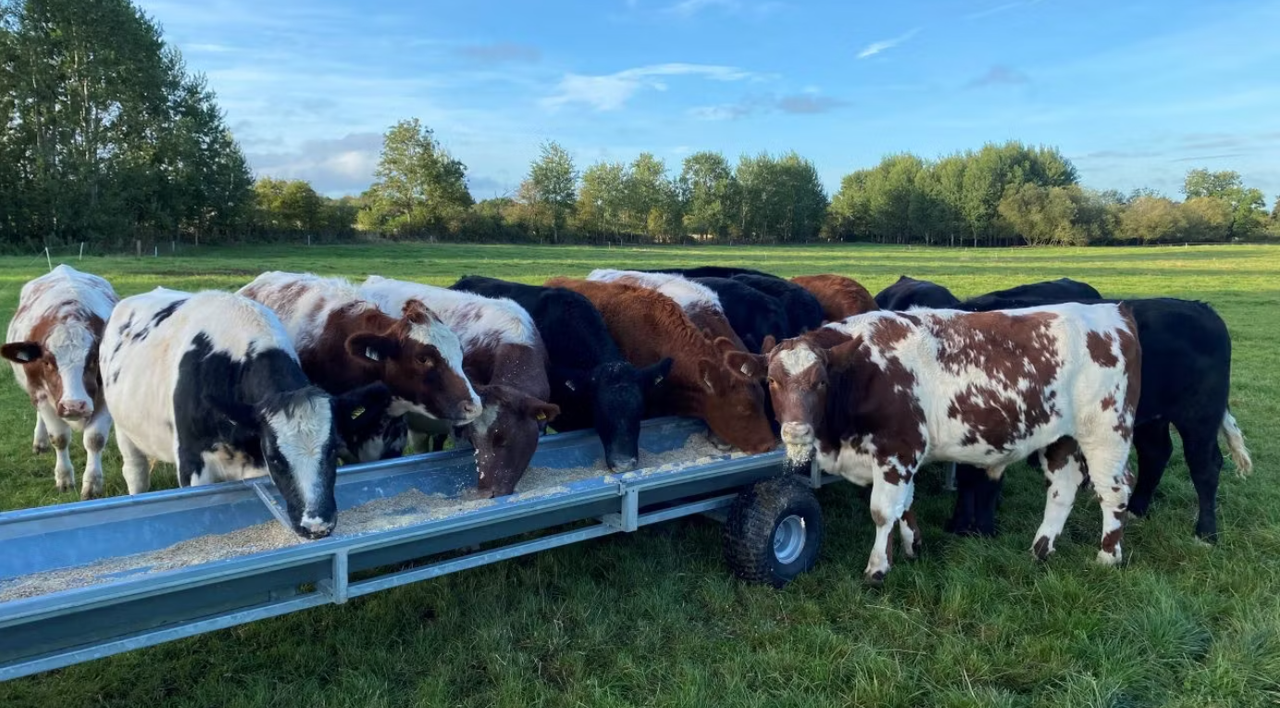
The college farm features 120 cows, plus replacements, on 50ha.
The college herd, which is spring calving, is part of the Teagasc Moorepark dairy research programme.
Facilities include a 12-unit herringbone milking parlour with automatic drafting, slatted houses, calving pens and isolation boxes.
A computerised management programme is used to facilitate record keeping.
The 36-cow suckler herd is spring calving. All male progeny are finished under 16 months.
Some heifers are retained for breeding and the remainder finished under 24 months. There is also a selection of heifers reared from the dairy herd and brought through to beef.
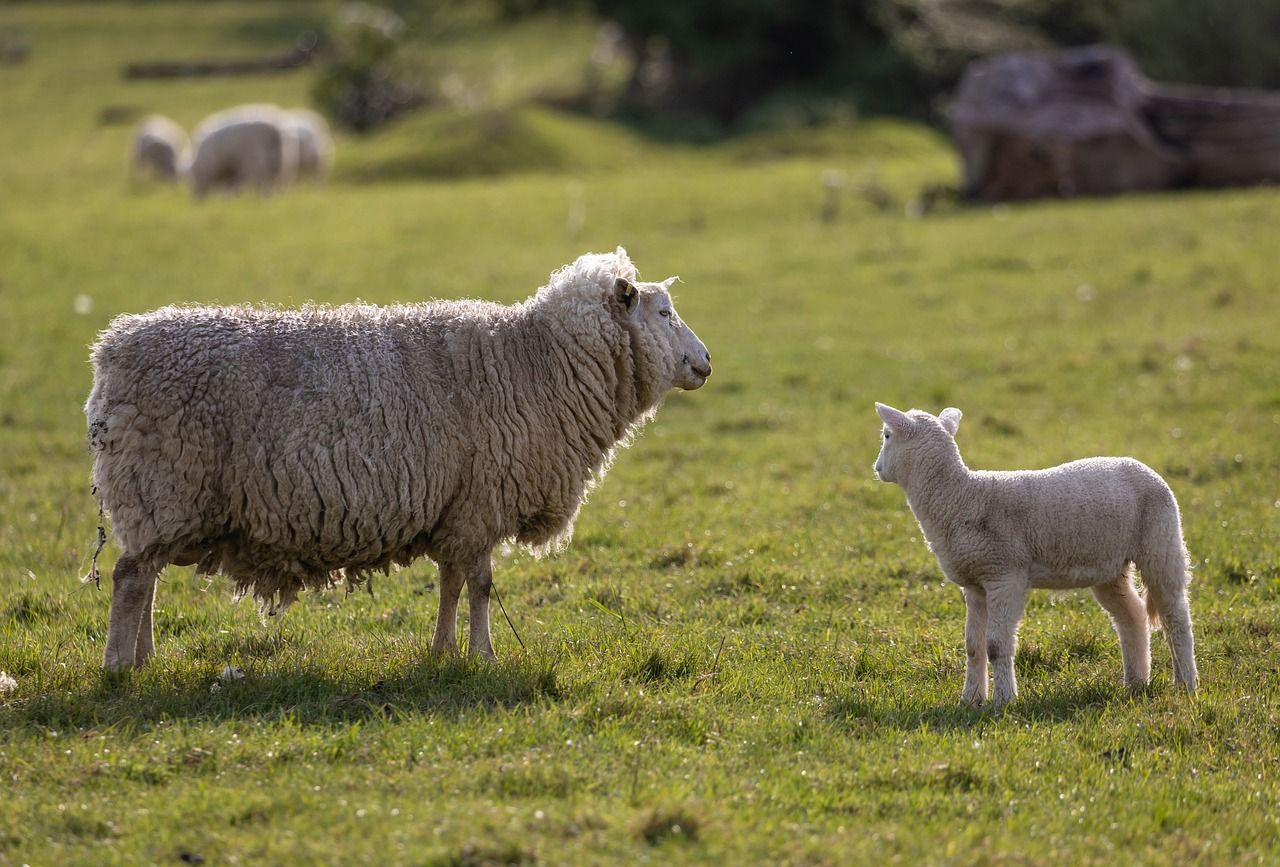
The sheep flock has 220 ewes. This is split into 60 for early lamb production and 160 which are managed for mid-season lambing.
There are 60 female lambs retained for breeding each year. Rams used on the farm are Suffolk, Texel, Charollais, and Belclare.