Pneumonia, worms and grass tetany top topics at AHI weanling health event

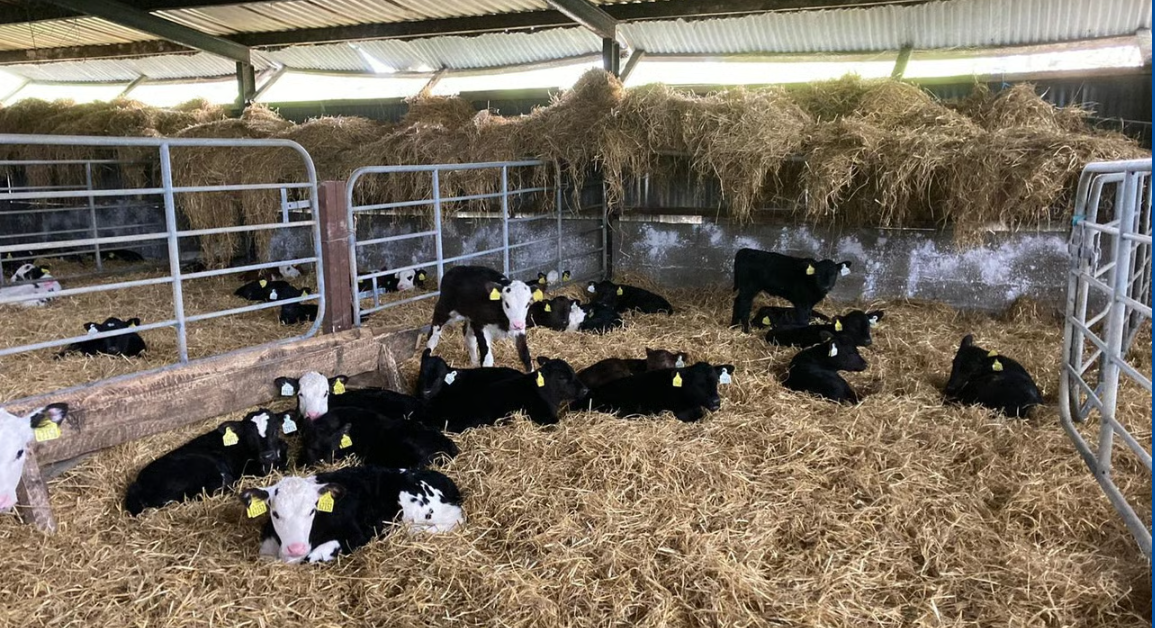
With weanling cattle regularly seeing prices over €5/kg and the best cattle making over €6.50/kg, maintaining weanling health is of vital importance for farmers.
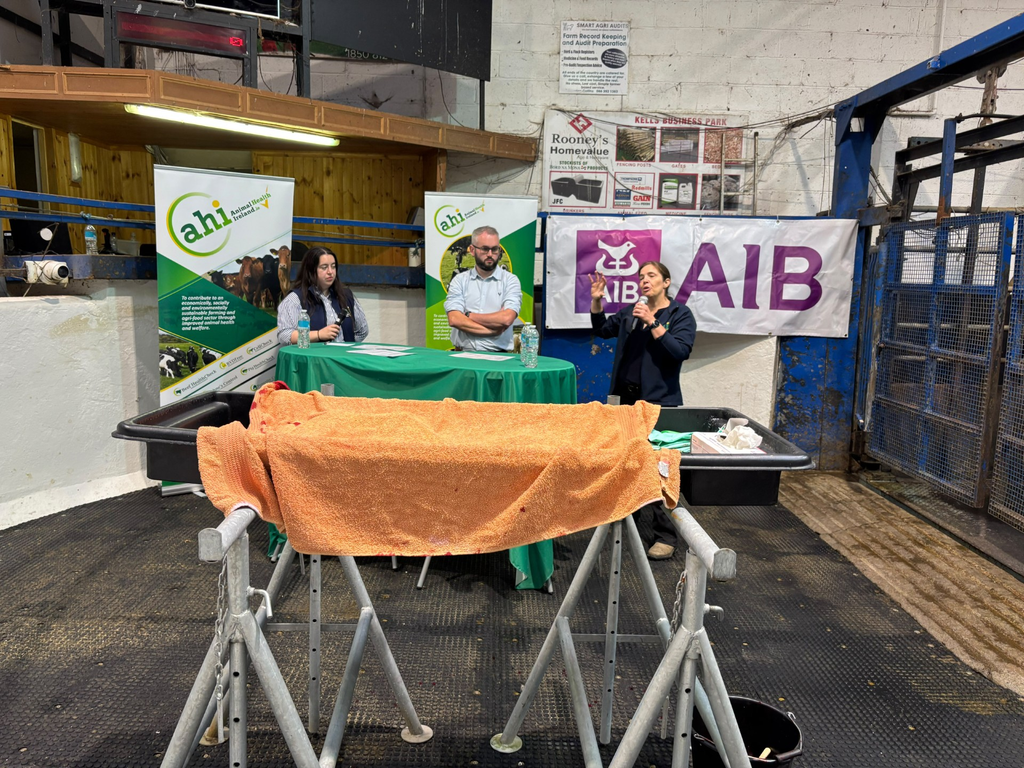
This was the focus of an advice event titled 'Weanling Ready: Worth Their Weight in Gold’ hosted by Animal Health Ireland (AHI) at Carnaross Mart on Wednesday, July 29.
Speaking at the event, Conor Quinn of Kinnegad Veterinary, outlined the importance of pneumonia prevention to farmers.
He explained how stress is the main accelerant of any pneumonia infection.
On practical advice for beef farmers, Quinn highlighted the importance of a slow gradual weaning, where calves are eating at least 1.5kg/day of concentrates when weaned.
Quinn advised suckler farmers to consider a slow partial removal of cows from the field.
He said: "Maybe remove one-third of cows at a time, instead of just pulling them."
Weanlings should also be left in the field during weaning instead of cows, as the change of environment can act as a stressor compounding a dietary induced stress, suppressing the immune systems ability to combat viral pneumonia.
For autumn calvers, Quinn advised farmers to ensure sheds were well-sheltered with draughts being the main concern.
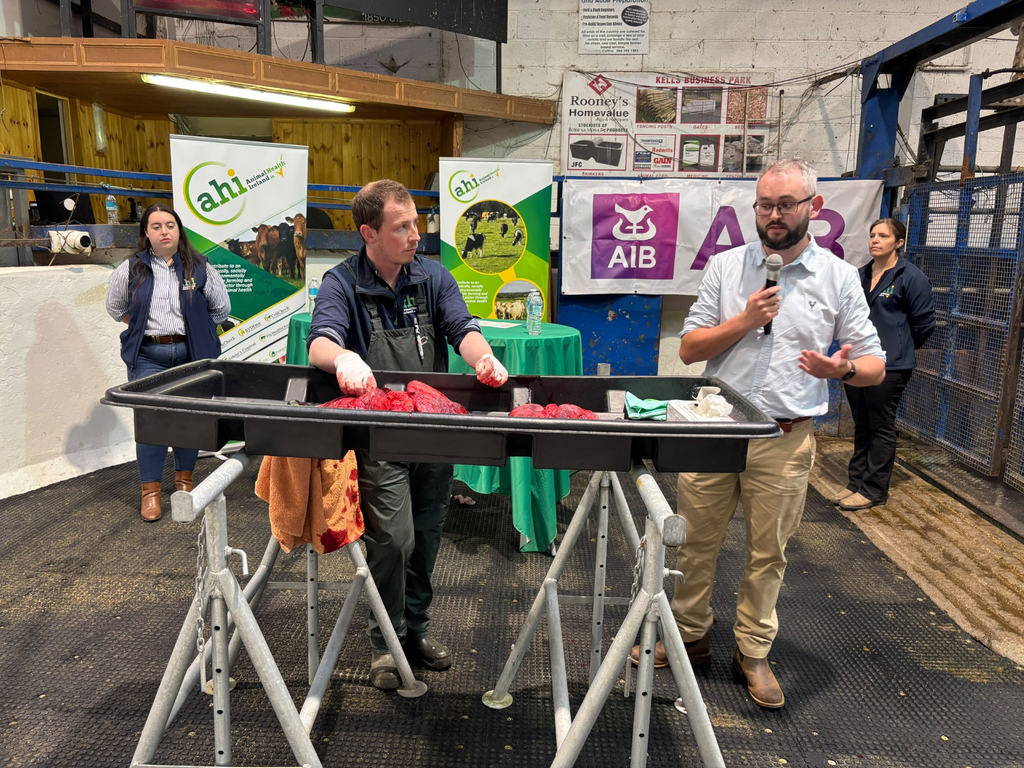
Demonstrating the impact of pneumonia on lung tissue, Quinn explained how the dead lung will sink due to the lack of air sacs in the tissue compared to healthy lungs.
"As you can see the lung is dead in the water, that lung won't heal.
"We can see 60-70kg differences after weaning between healthy and sick animals," he said.
Farmers were also advised to vaccinate pre-weaning, as the vaccine effect will be limited as the calf is naturally stressed during weaning.
Parasites
AHI programme manager Natasha Meunier advised farmers on how to control and manage parasites.
She reminded farmers that wormers will now require a prescription to use wormers due to increased fears of resistance to anthelmintics (de-wormers).
On lungworm or 'hoose', Meunier advised farmers that the parasite will not produce eggs when the animal is at the stage where it is coughing.
Hence a faecal egg count (FEC) test will not detect lungworms.
She said that regularly conducting FECs every 2-6 weeks will allow for targeted treatments. For more accurate results, farmers should take samples from "fresh warm dung".
FECs are included under the Beef Welfare Scheme, and many farmers will already be familiar with the process and options for testing samples.
Managing cattle in the drought
Quinn also advised farmers to be aware of grass tetany, as the lush grass that arrives after rain, following a drought, is low in minerals.
Autumn calvers will need constant access to mineral licks to prevent magnesium deficiencies in these circumstances.
Meunier added that while drought will reduce the worm burden, sudden rain showers will kickstart "exponential worm burden increases".
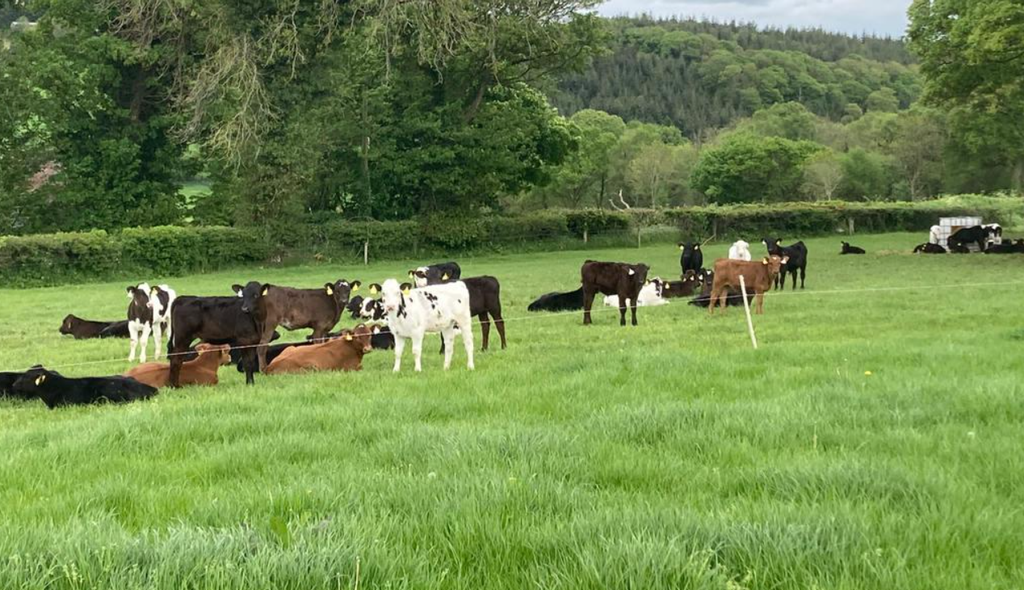
Farmers will typically plan to dose every 6-8 weeks but may delay during the warm weather.
Meunier advised farmers to weigh regularly for early detection of any gut and liver worm infection.
For those who were unable to attend this week's advice event, AHI will be running two more after the bank holiday.
The next event is Tuesday, August 4, in Gortatlea Mart, Co. Kerry, followed by Wednesday, August 5 in Clare Marts in Ennis, Co. Clare.