Watch: Calf care can start long before birth with autumn calvers

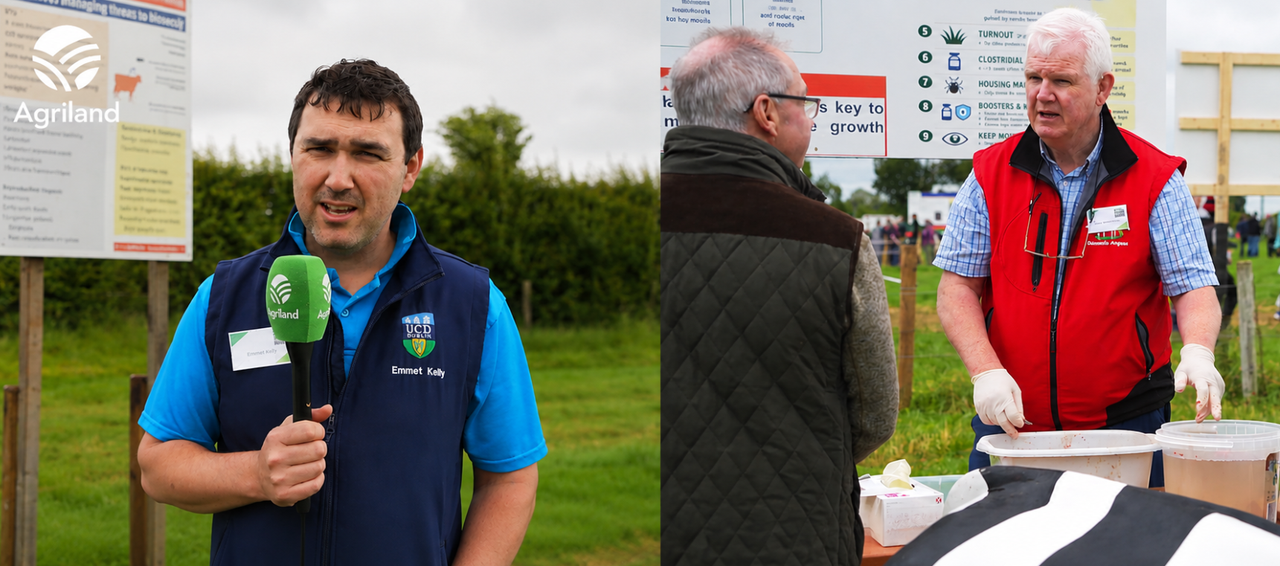
As autumn calvers begin to dry-off over the coming weeks, farmers will turn their attention to preparing calf facilities, but calf care can start long before the calf is born.
Agriland recently spoke to Dr. Emmet Kelly, who is an assistant professor at the School of Veterinary Medicine, University College Dublin (UCD) and Co. Meath-based veterinary practitioner Frank O'Sullivan who both gave practical examples of the role of vaccination in calf health in the two videos below.
Dr. Kelly highlighted the importance of administering scour vaccinations now to cows calving in the coming months to reduce calf mortality.
He highlighted the importance of rotavirus, coronavirus and E. coli vaccines for autumn calvers to assist in transmitting antibodies from cows to calves via the colostrum.
This would provide the calves with passive immunity for a short period while their own immune system is at its most vulnerable.
Cryptosporidium virus is also a major scour risk for calves so vaccinating cows during the dry period will provide passive immunity to calves down the line.
Colostrum advice
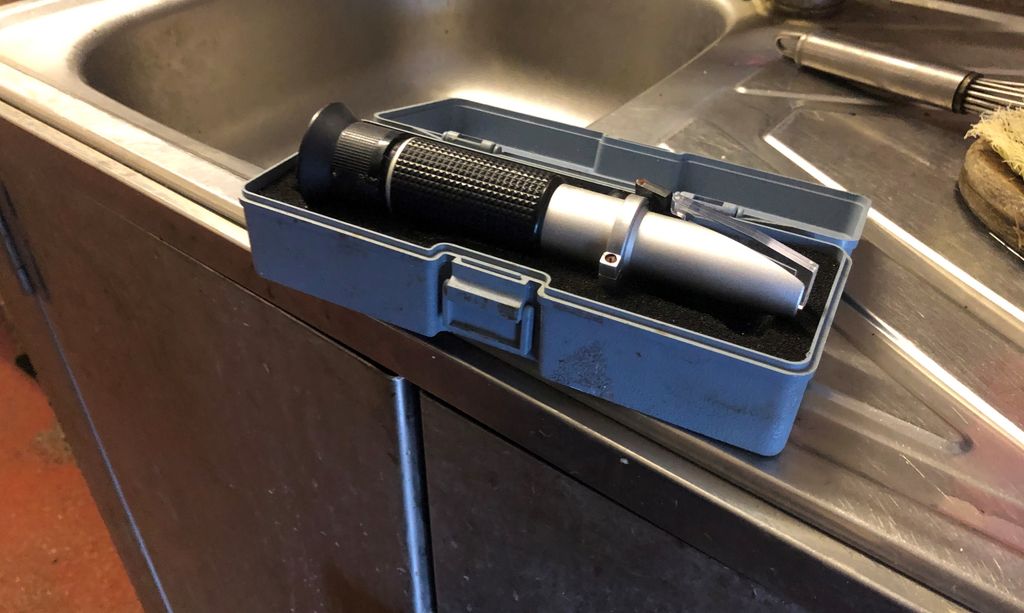
Dr. Kelly also highlighted the importance of colostrum in reducing calf mortality and how farmers can test colostrum themselves using a brix-refractometer.
Farmers should sample colostrum and look for a brix score of 23 or higher on the gauge.
By identifying poor-quality colostrum, farmers can avoid having calves missing out on much-needed immunoglobulins or antibodies.
Agriland also spoke to Co. Meath-based vet Frank O'Sullivan, who outlined the importance of protecting calves from pneumonia ahead of the autumn calving season.
He discussed how farmers can best protect calves by using nasal vaccines that will provide rapid protection from pneumonia viruses within 24-48 hours of administering the vaccine.
O'Sullivan also highlighted the physical impact of pneumonia on cattle and how it can impact the lungs.
He explained how the disease turns the spotted, dark pink tissue of a healthy lung into clear pink tissue that is dead or not functioning.
He demonstrated the impact on the alveoli (small sacs that hold air) structure of the lung by showcasing how a healthy lung tissue will float in water due to the abundance of alveoli, compared to a damaged lung which will sink to the bottom of the water, due to the absence of air.
This highlights the potential of pneumonia to massively reduce an animal's ability to thrive due to preventing it from getting enough air and hence oxygen into its system.
Pneumonia mortality rates in calves in the first 12 weeks of life is 3%, according to Teagasc data.
Pneumonia can lay dormant within calves, so deciding to not vaccinate where there is no clinical symptoms is not advised.
For example, infectious bovine rhinotracheitis (IBR) often only flares up during stress periods.
Farmers will be using the dry period to make sure calf facilities are powerhosed, disinfected, and ready to go now, hence reducing their workload in the autumn months.
However, they must also ensure they have working nasal vaccine and injection guns, to save time, reduce waste of costly medicine, and maximise calf benefit.
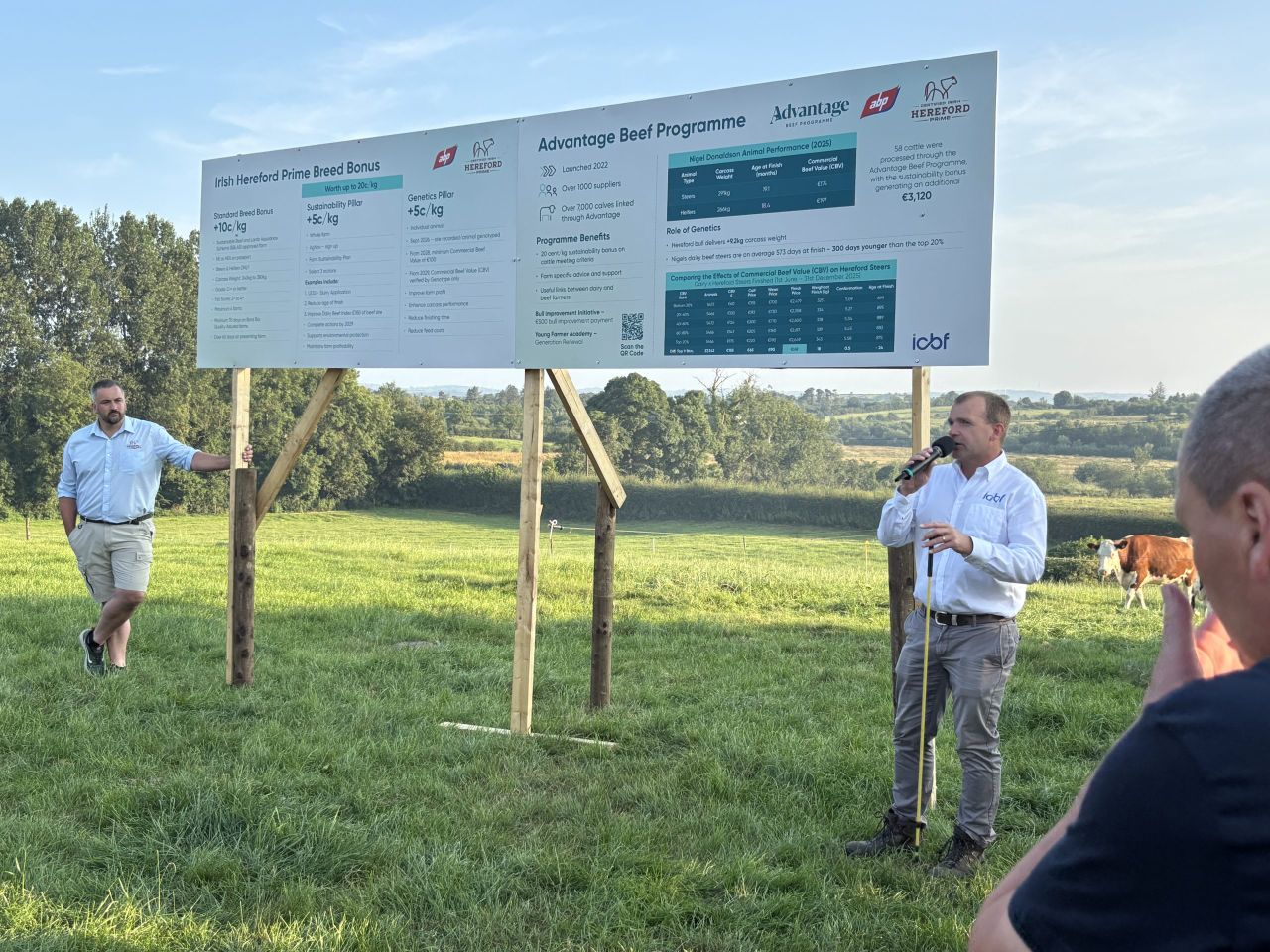
Both Dr. Kelly and O'Sullivan were speaking to Agriland at the recent Teagasc BEEF2026 open day.
More details on the research presented at BEEF2026 on this and a wide range of other topics relating to beef production are available on Agriland's BEEF2026 Knowledge Hub.