Grass growth: Pressure builds as dry spell continues

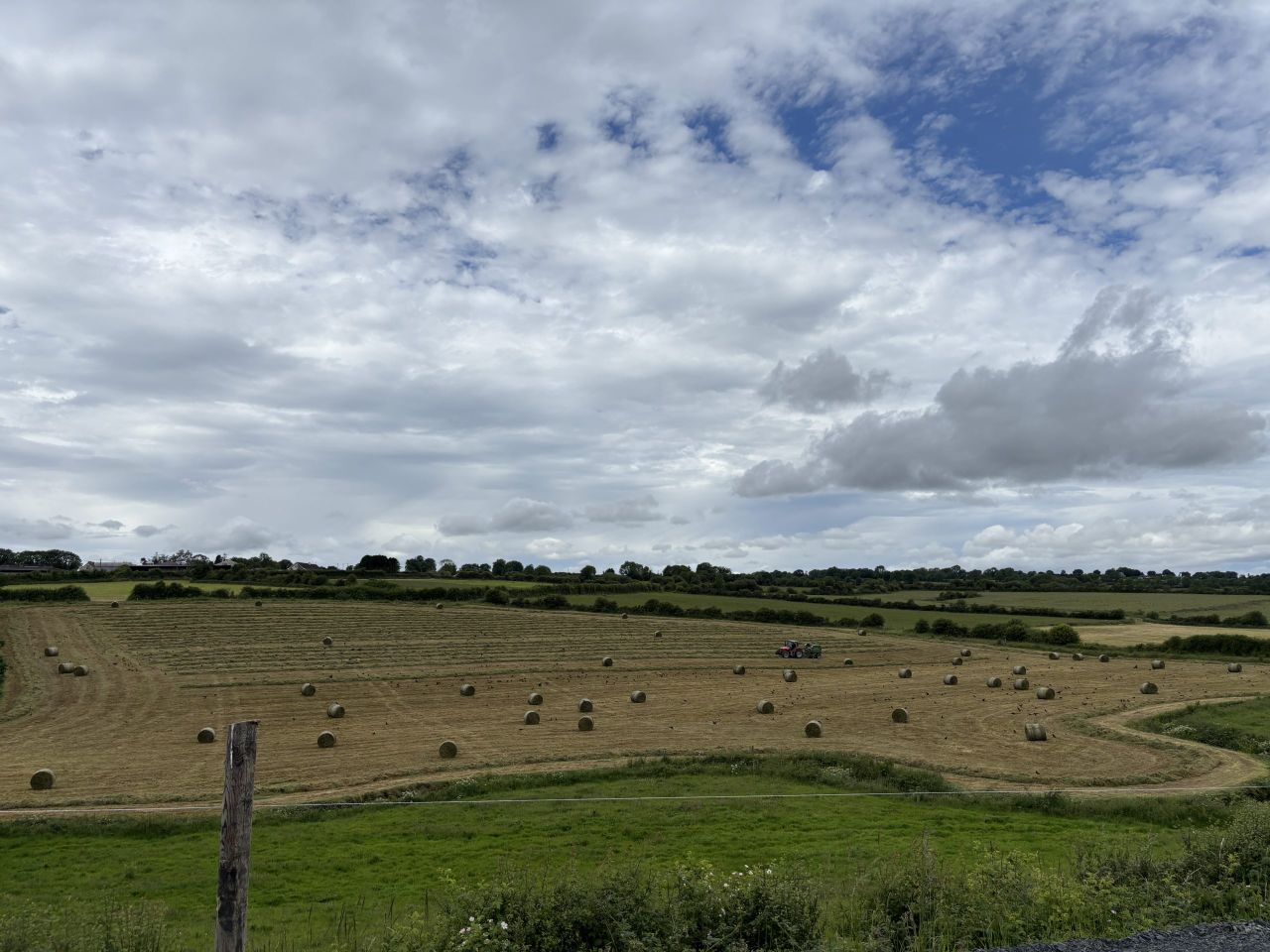
Grass growth rates have stagnated across the country, and with the forecast showing another week of this dry weather, farmers will feel the pressure mounting.
According to Met Éireann, soil moisture deficits have surpassed 80mm in the south-east, and are now climbing towards 20mm in the north-west.
Moisture deficits are forecast to reach 88mm in the south-east over the coming week.
To put that into perspective, the Johnstown Castle weather station only recorded 111.5mm of rain between March 1 and April 30 of this year.
The moisture deficits are translating to grass growth, with farms on the east coast recording growth rates as low as 35kg of dry matter (DM)/ha.
PastureBase Ireland has predicted growth rates to drop below the 30kg mark this week in areas, hitting as low as 25kg DM/ha in parts of the south-east.
Meanwhile, demand remains in around the mid-50kg DM/ha mark.
Realistically, all of Leinster and Munster will see growth rates drop below demand during the coming week if they have not yet done so.
A portion of the north-west may will have another week, if not two, before they see growth rates drop below demand.
Diet during restricted grass growth
Advice on diet alterations during a drought is near impossible to give on a general scale, as situations vary from farm to farm, and even from field to field.
That being said, farmers do need to ensure that the herd is meeting their required feed intakes to ensure milk production does not fall off a cliff.
According to the Irish Cattle Breeding Federation's (ICBF) national milk recording statistics, milk production has already fallen from an average of 24.14kg of milk/cow at the start of the drought, to 23.34kg as of Friday, July 17, a 0.8kg reduction.
If the herd has a typical intake of 18-18.5kg DM/cow, made up of 16kg grass and 2kg meal during normal growing conditions, silage and additional meal will have to replace reduced grass availability now.
For example, if you can only afford to feed 10kg of grass, you may be buffer feeding 6kg of silage while increasing meal to 3kg.
If your farm is growing less than 50kg DM/ha, extend the rotation to 25 days.
The hope will be to maintain a relatively decent average farm cover to ensure a fast recovery in growth rates once rainfall eventually returns.
It is worth noting that low covers do dry up quicker due to to lack of cover on the soil.
The recommendation is to bring your grass demand down with the farm grass growth, and keeping a close eye on how regrowths are progressing.
When growth rates do spike back up, it is important to maintain extra supplementation in their diet until the grass supply recovers to around 180kg DM/ha, slowly transitioning the herd back to the grass diet.