Kelly: Protect part-time farmers but stop non-farmer payments

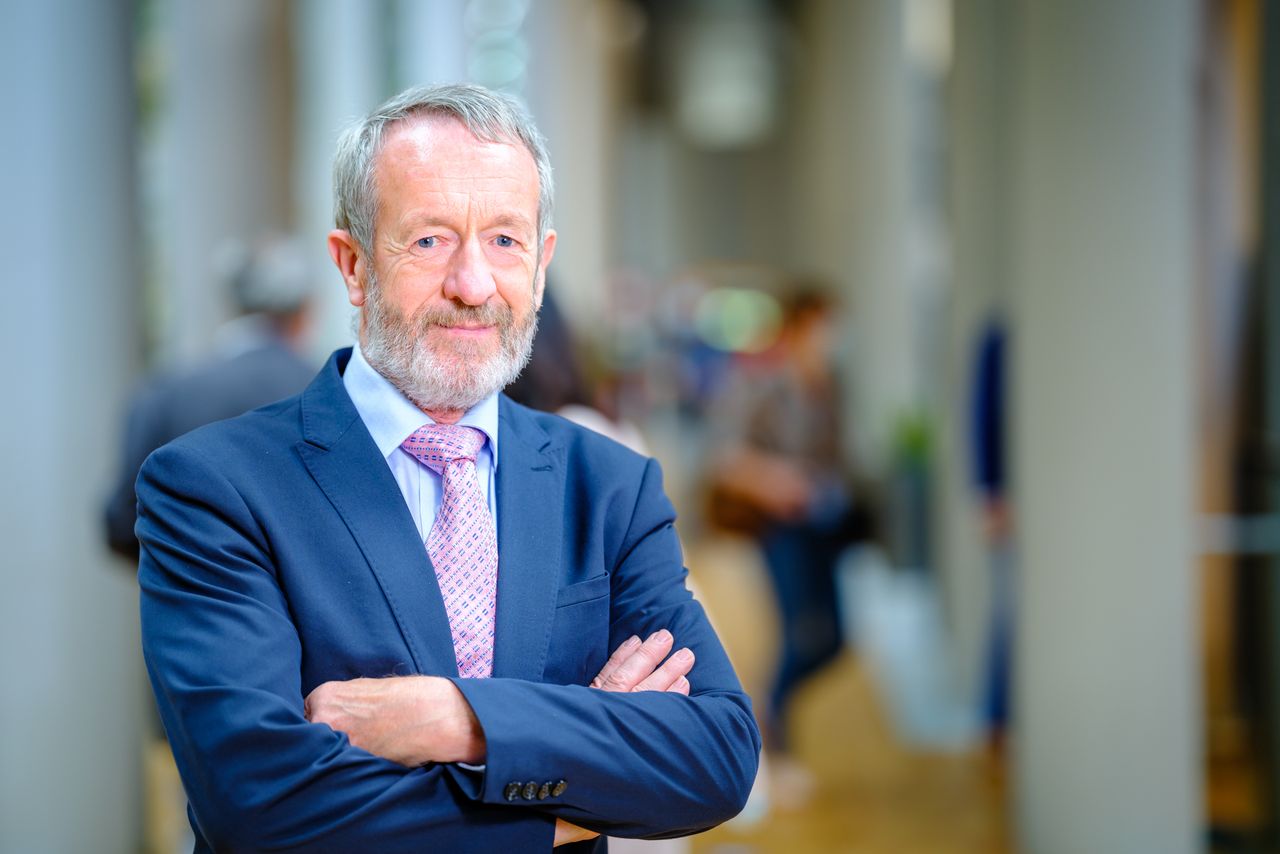
The environment committee of the European Parliament has delivered its opinion on the next Common Agricultural Policy (CAP), which was drafted by Irish MEP Seán Kelly.
Kelly takes the lead on the work related to the CAP post-2027 for the committee.
Speaking to Agriland after the publication of his opinion - which was adopted by the committee by a large majority this week - the Fine Gael MEP called for payments to part-time farmers to be protected in the next CAP.
He said: "This notion, coming from the [European] Commission that your off-farm income will be taken into consideration, I said that needs to be hit on the head, because a lot of farmers, their farms are unviable, but they are working the land, they are producing food, and then they're supplementing with an off-farm job.
"There's an awful lot of people in society who work two jobs, and just because they're working one means they shouldn't be penalised in the other," the Ireland South TD added.
Kelly said that it's what he called the "armchair farmer" that should instead see their payments curtailed.
"It's the armchair farmer, those who who've drawn down funds, some of them huge funds, some of them conglomerates, some of them big businesses, some of them even sports bodies; all those have to be looked at, and the farmer has to get the money, not the armchair farmer or the non-farmer," he said.
Kelly said the opinion he drafted on the next CAP for the environment committee reflected a "sensible and practical approach" taken by his fellow MEPs.
The opinion of the environment committee will be considered by the parliament's agriculture committee, which has primary responsibility for CAP post-2027. Through that committee, it will inform the parliament's stance on how the next CAP should look.
Kelly's role in the environment committee essentially mirrors that of German MEP Norbert Lins, who spearheads the agriculture committee's work on the CAP post-2027, and who published his opinion on the next CAP last month.
Kelly's report
Like the agriculture committee, Kelly's report calls for a CAP funded to the tune of €433 billion, a considerable increase on the €290 billion that the commission has proposed.
Of that €433 billion, the environment committee wants to ringfence at least €108 billion for agri-environmental and climate actions.
However, Kelly warned that the exact final figure for the CAP budget remains to be decided; but he wants the figure's outlined in his report used as guide.
"I think you won't get that figure at the end of day, but it will be a guiding figure in relation to the final agreement, which the [Irish] government, now having the presidency [of the Council of the EU], will make an effort to achieve," he said.
"If they can get a broad agreement, then I think that would be a big help in getting the whole matter finalised as quickly as possible, so that the next cap can start when it's supposed to start in 2028," Kelly added.
Conditionality and 'farm stewardship'
One point of difference between this environment committee report and the earlier agriculture committee report is on the commission's proposed 'farm stewardship' model, which will effectively be the new conditionality.
The proposed model would allow more flexibility to member states in terms of how environmental and climate actions are designed, and how they are implemented.
While the report from the agriculture committee amended this proposal to remove that flexibility - so that common environmental standards would be in place across the EU - Kelly's report left the commission proposal as is.
He said: "You have to, first of all, respect the fact that the farmers are custodians of the land. It is in their interest, and they take pride in their job.
"So this notion that there has to be kind of a continuous overview of them, monitoring, inspection, stewardship, I think that's overdone," he added.
"So we would say that if we have the right regulations and the right supports - and they are higher in Europe than anywhere else - that there is no need to be hounding farmers in relation to how they go about their business," the MEP said.