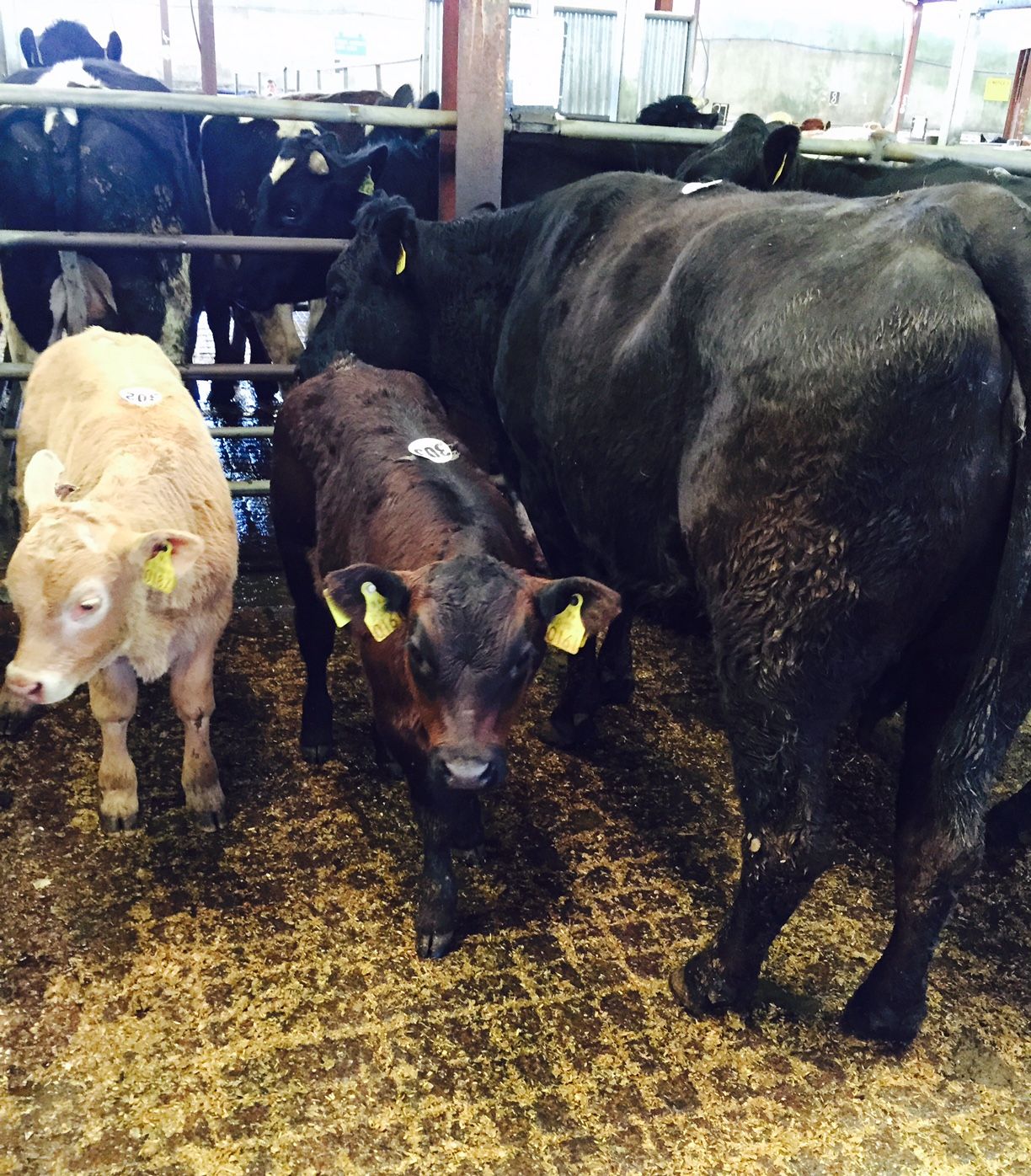
Is a 25% tariff on Brazilian beef into the US a good thing for Ireland?

The United States Government this week (Wednesday, July 15) announced a new tariff on certain goods from Brazil effective from next Wednesday, July 22, and there are some who advocated for beef to be included.
The action is being taken on President Donald Trump’s direction, under Section 301 of the Trade Act of 1974.
It follows a year-long investigation by the Office of the United States Trade Representative (USTR) that determined that certain Brazilian measures restricted or impacted negatively on American farmers, workers and other sectors.
According to USTR, the Brazilian measures related to digital trade and electronic payment services; unfair, preferential tariffs; anti-corruption interference; intellectual property protection; ethanol market access; and illegal deforestation.
They were deemed to be unreasonable and burden or restrict the commerce of American farmers, workers, innovators, and exporters.
The action comes after USTR convened two public hearings, received over 360 public comments, and said it negotiated intensively with the Government of Brazil to seek resolution of US concerns.

The United States Trade Representative, Ambassador Jamieson Greer commented: “Safeguarding American economic interests against unfair trade practices is the bedrock of President Trump’s America First policies.
"Whether it is punishing US technology companies for refusing to censor political speech, backsliding on anti-corruption enforcement, or allowing Brazilian farmers to exploit illegally logged land to gain an advantage over American farmers, Brazil’s unfair trading practices have prevented US workers and producers from accessing this important market with over 210 million consumers.
“[This] action is necessary to address these unfair trade practices to ensure American workers and companies can compete on a level playing field."
The ambassador added that extensive negotiations with Brazil over the past year have, so far, not resolved the issues.
However the US said it is open to continuing negotiations with Brazil to bring about changes to the problems identified in the investigation.
US legislation
Section 301 of the Trade Act of 1974, as amended (Trade Act), is designed to address unfair foreign practices affecting US commerce.
It may be used to respond to "unjustifiable, unreasonable, or discriminatory foreign government practices that burden or restrict US commerce".
A Section 301(b) investigation examines whether the acts, policies, or practices are unreasonable or discriminatory and burden or restrict U.S. commerce.
What would a tariff on Brazilian beef mean for Irish farmers?
Beef farmers in Ireland may well be wondering if this new tariff, were it to be slapped on Brazilian beef exports to the US, would it affect Irish beef exports.
Bord Bia beef and livestock sector manager, Joe Burke told Agriland: "Based on the insights we have received so far, including through our colleagues in Bord Bia's market office in New York, we don't anticipate an immediate dramatic uplift in exports of Irish beef to the United States."
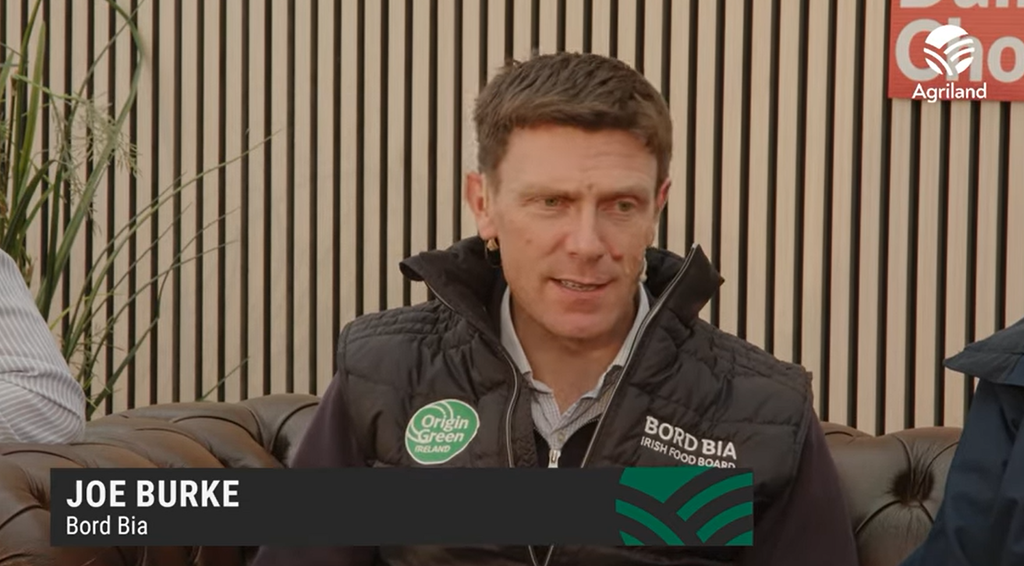
He explained that while domestic cattle prices in the US market remain at very high historic levels, Irish exports of primary beef to the US during the first four months of this year were valued at just €1.1 million.
This represented less than half of the value of exports during the same period in 2025.
The Bord Bia manager outlined that exports of Irish beef to the US are mostly subject to a 26.4% duty (over-quota rate).
Ireland shares a 65,000t quota with a number of other countries, including Brazil.
"This becomes filled very quickly at the beginning of the year, at which point the duty kicks-in," Burke said.
"While there remain a small number of premium foodservice customers purchasing certain popular cuts of Irish beef, this duty has a significant impact on price-competitiveness."
In terms of beef producer prices, the latest comparison by the EU Commission, US cattle prices are almost the equivalent of €7.70 per kg of carcass weight (excluding VAT) Burke explained.
Brazil and Australia are the leading beef exporters to the US, and their latest cattle prices are equivalent to €3.80/kg, and €5.22kg, respectively (excluding VAT).
This is well below the latest EU and Irish prices, which are equivalent to €6.41/kg and €6.64kg, respectively (excl. VAT).
"Regarding the EU beef market, the overall volume of beef consumed across the member states in 2025 was equivalent to 6.3 million tonnes (carcass weight equivalent), of which some 420,000t (6.5% of total) related to imports from outside the community," Burke added.
"This included some 120,000t from Brazil, which increased by 30% from the previous year.
"For the first quarter of this year, there was a further strong increase in Brazilian beef exports to the EU, reaching over 47,000t, from 26,000t last year (+80%)."
Whether the punitive tariff imposed on Brazil for exports to the US urges the Mercosur country to seek alternative markets to export more product to remains to be seen.