Sponsored
Winter cereals: 5 questions to ask yourself before placing a seed order

Sponsored by

When ordering winter cereal seed, it is easy to focus on variety choice, drilling plans and market prospects.
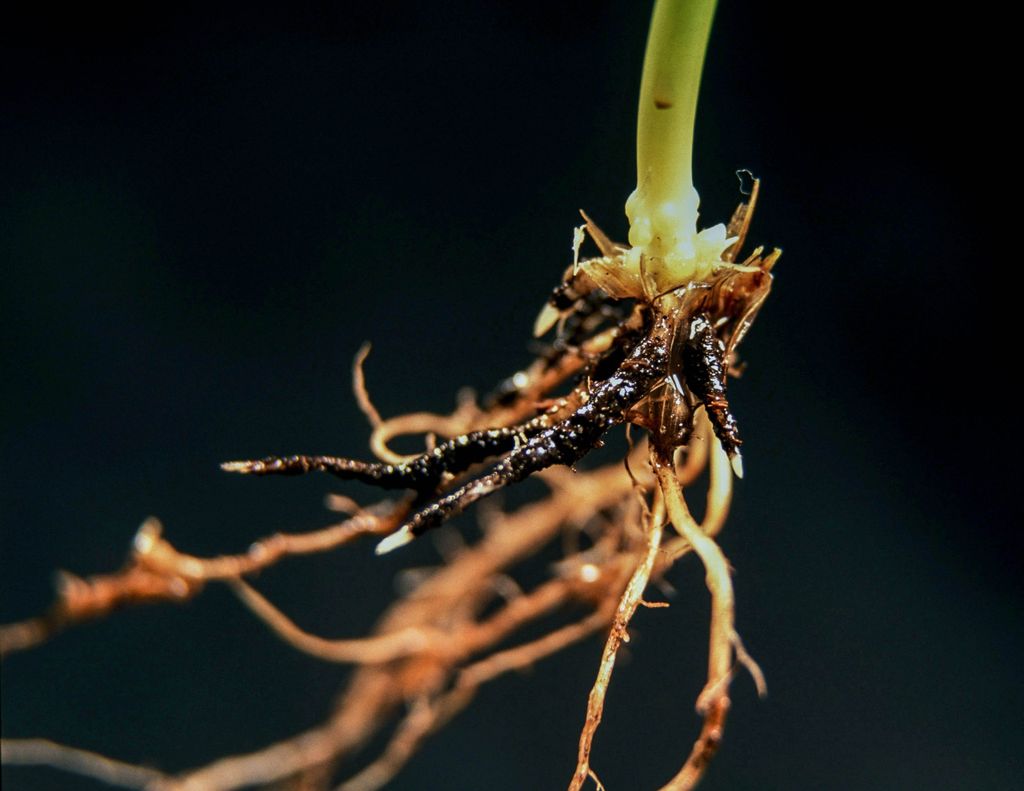
According to Leanne Fowler, Seed Treatment Portfolio Manager, Certis Belchim UK and Ireland, one of the biggest influences on crop performance can be hidden below ground.
As rotations tighten and weather patterns become more unpredictable, take-all risk is rising up the agenda.
So before you place this autumn’s order, Leanne recommends that you ask yourself these five questions.
1. Has take-all risk increased on my farm?
Mild, wet autumns and winters create ideal conditions for take-all development.
The challenge is that the disease often remains hidden until yield has already been affected.
Previous cropping history, drilling date and grassweed pressure can all influence how much inoculum is present when a crop is established.
Understanding risk is the first step towards managing it.
2. Is my rotation increasing take-all pressure?
Irish tillage rotations often include a mix of winter wheat and winter barley, but wherever host cereals feature frequently, there is greater opportunity for take-all inoculum to build in the soil.
While the disease is most commonly associated with second wheat, it also affects winter barley grown as a second or third cereal, making it important to consider take-all risk across the whole rotation rather than focusing on individual crops in isolation.
3. Is my break crop really providing a clean break?
A common misconception is that any non-cereal crop automatically breaks the take-all cycle.
Cereal volunteers and grassweeds can act as hosts for the pathogen, allowing inoculum levels to persist between crops.
As a result, a field may carry more take-all risk than expected despite appearing to have had an adequate break.
Effective control of volunteers and grassweeds throughout the rotation remains a key part of take-all management.
4. Will my drilling date affect disease risk?
Drilling date remains one of the most important management decisions when it comes to take-all.
Earlier drilling can help spread workload and improve establishment opportunities, but it can also increase exposure to the disease because warmer soils favour infection.
Every season presents different challenges, but understanding the relationship between drilling date and take-all risk can help inform seed treatment decisions.
5. Are my cultural controls enough?
Rotation, variety choice, drainage, seedbed quality and drilling date all play an important role in reducing take-all risk.
These cultural controls form the foundation of an integrated approach to disease management. However, in higher-risk situations they may not be enough on their own.
Latitude XL is the only fungicide seed treatment approved for take-all control, helping protect roots during the critical establishment phase and reducing primary infection.
Find out how much more margin you could make with the help of Latitude XL.
Every farm is different, which is why understanding the likely return on investment from seed treatment can help simplify decision-making.
But one thing that is on everyone’s mind this autumn is making the most of every kilogram of fertiliser. And a crop with a rooting system compromised by take-all certainly will not manage that.
The Latitude XL Cost Benefit Calculator allows growers to estimate the yield response required to cover treatment costs and calculate potential return based on factors such as grain value, seed rate and treatment cost.
By putting real numbers around the decision, growers can assess whether treatment makes sense for their own circumstances and risk profile.
As drilling plans take shape this autumn, understanding what’s happening below ground could prove just as important as managing the challenges above it.
Sponsored by