EU adopts recommendation for wildfire risk management

The European Council has adopted a recommendation on integrated wildfire risk management, setting out a comprehensive framework to help member states better prevent, prepare for, respond to and recover from wildfires.
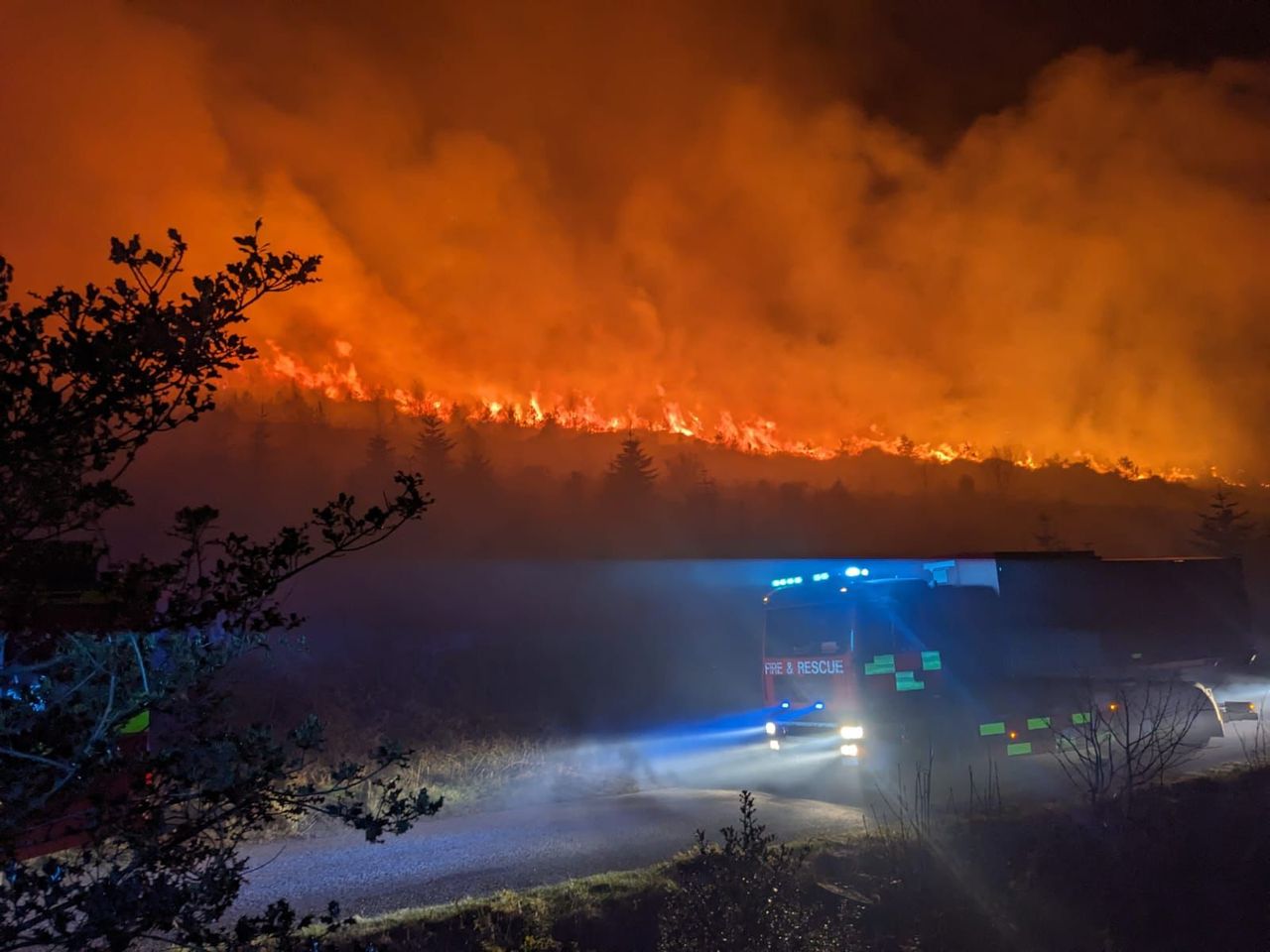
The recommendation follows a record-breaking wildfire season in 2025, which saw over one million hectares burned across the bloc and triggered an unprecedented number of activations for the EU civil protection mechanism.
Constantinos Ioannou, Minister of Interior of the Republic of Cyprus said: “The devastating wildfire seasons experienced across Europe in recent years have shown that wildfire risk is no longer a challenge for a few countries but a European challenge.
“These recommendations promote a comprehensive approach that brings together land management, climate adaptation, civil protection and cross-border cooperation.
“Investing in prevention and preparedness today is essential to protecting lives, communities and ecosystems tomorrow.”
Cyprus is holding the rotating presidency of the EU, a role that will be taken on by Ireland this week, from tomorrow (July 1) until the end of this year.
Coordinated and integrated
The European Council said that as wildfire risk continues to increase across Europe due to “climate change, changing land-management and other factors”, the recommendation promotes a more coordinated and integrated approach covering the entire disaster risk management cycle.
The recommendation encourages member states to strengthen prevention through “sustainable land and forest management, improve preparedness by making better use of data, risk assessments and early warning systems, and enhance cooperation and interoperability in wildfire response”.
It also highlights the importance of raising public awareness, supporting local communities, improving post-fire recovery and strengthening governance and long-term funding for wildfire risk management.
Recognising that wildfire risk increasingly affects large parts of Europe and often have cross-border implications, the recommendation stresses the value of “closer cooperation among member states and with international partners” to improve wildfire risk management.
Background and next steps
On March 25, the European Commission adopted a communication on integrated wildfire risk management, setting out a comprehensive EU strategy to addressing the growing threat of wildfire.
The communication promotes an integrated approach to wildfires covering prevention, preparedness, response and recovery, and highlights the need for stronger cooperation between public authorities, land managers, civil society and local communities.
It also identifies climate change, changes in land management, and human activity as key drivers of increasing wildfire risk across Europe.
The European Council recommendation builds on the commission's communication by providing guidance to member states on measures to strengthen wildfire risk management throughout the disaster risk management cycle.
While the recommendation is not legally binding, member states are invited to implement the measures in accordance with their national circumstances, risk profiles, and governance systems.