Beware threat of clubroot in cover crop mixes containing brassicas

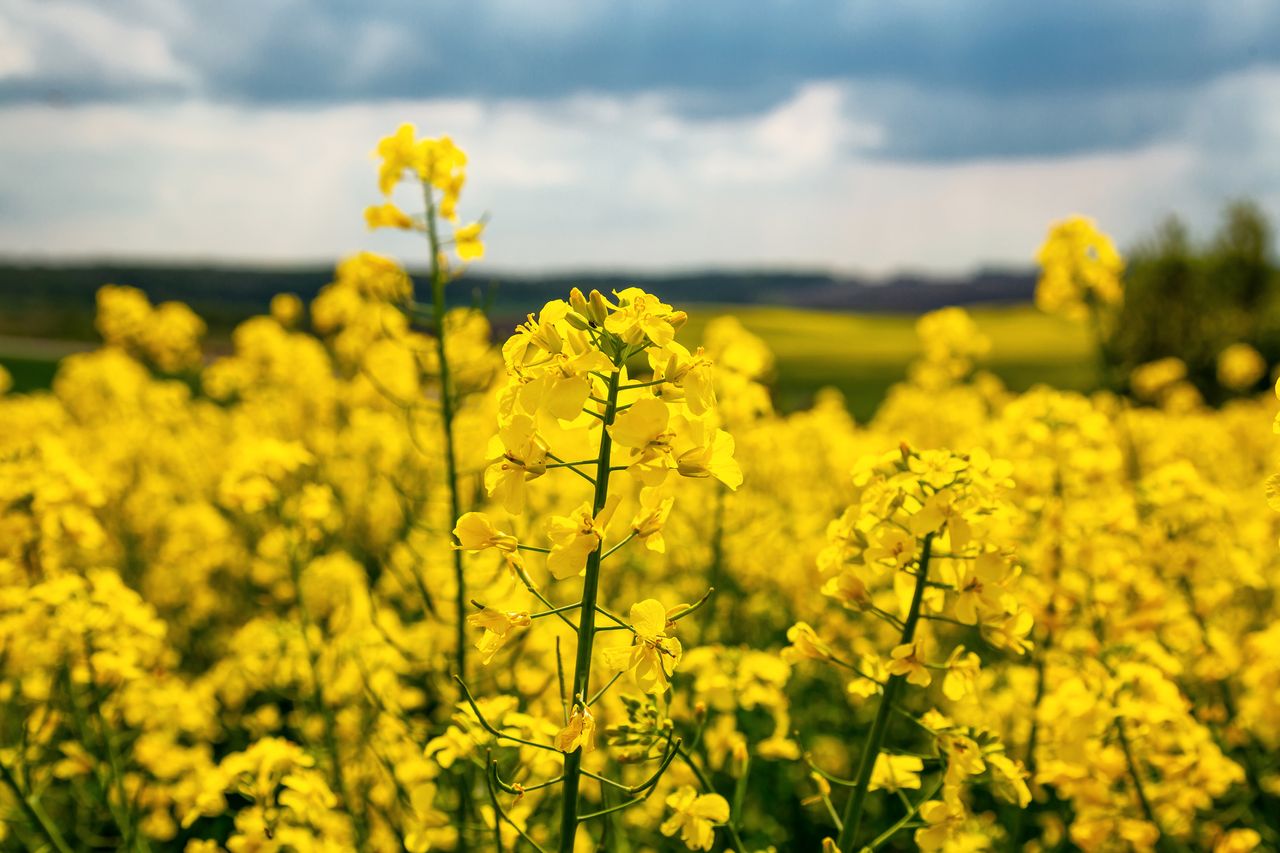
Teagasc is advising growers of oilseed rape not to include brassicas in cover crop mixes, as doing so increases the risk of clubroot infections.
The 2025/2026 growing year has seen clubroot incident rates on the rise.
A case in point was the confirmation of the problem in winter oilseed rape varietal trials hosted by a leading seed supplier.
Meanwhile, it has been confirmed that clubroot thrives in a low pH environment.
As a consequence, growers are being encouraged to increase soil pH value to 7.0 in areas where the fungal disease has become apparent.
This step should be taken in conjunction with a commitment to a five-year rotation pattern.
Machinery
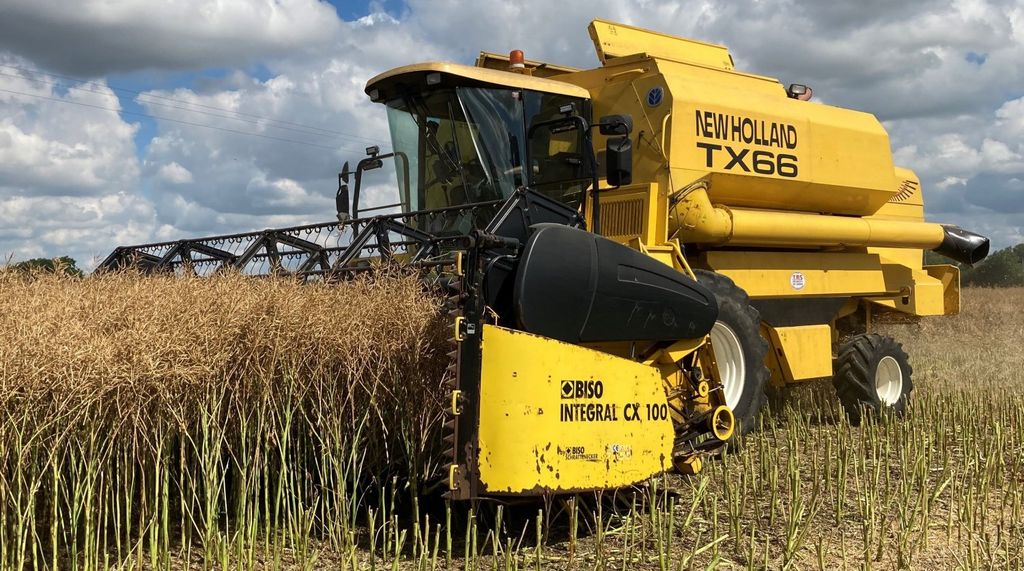
The risk of disease-spread posed by machinery working on farms where clubroot is already a problem.
Machinery can carry inoculum from field to field.
For those fields that have clubroot infection now, establishing a long rotation is important, as is the management of volunteers and the selection of brassica-free cover crops.
Significantly, there are also some varieties coming through now that have some level of resistance to clubroot.
However, there is a yield penalty to be incurred in going down this route.
Clubroot spores
According to the Agriculture, Horticulture and Development Board (AHDB), clubroot spores move through soil water.
Wet soils – particularly compacted, poorly drained soils and flood-prone fields – are associated with increased clubroot risk, especially if autumn soil temperatures are warm (above 15°C).
Growers should, therefore, maintain fields in a well-drained state to reduce clubroot risk and provide other benefits, such as improved land workability.
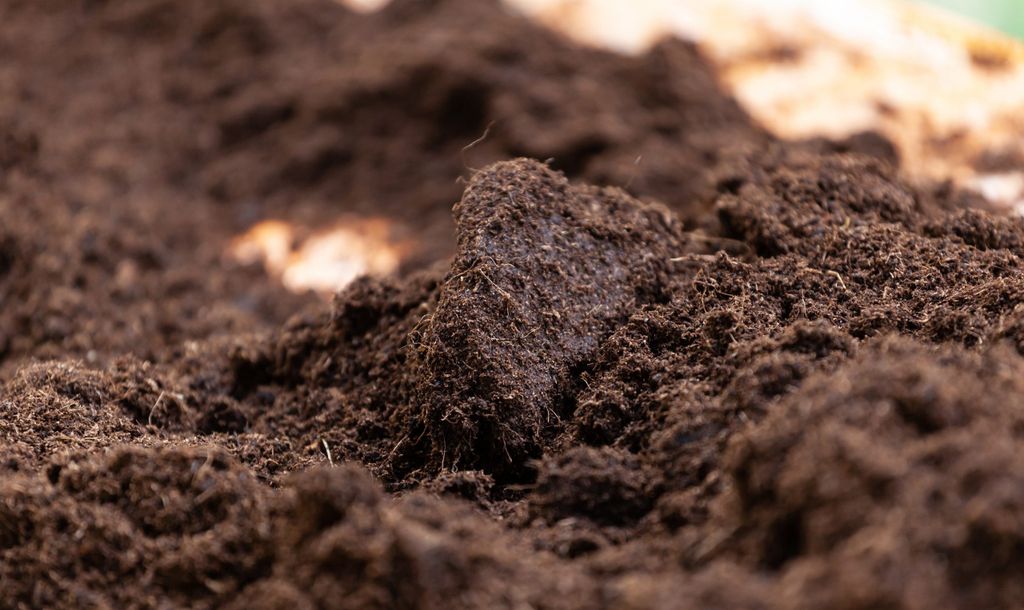
Infected animal manures, composts, green mulches and straw can also introduce spores. So, it is important to understand the infection risk associated with these materials.
It is important to identify and map high-risk clubroot areas, via soil testing or visual inspection of plants.
Where clubroot is suspected or confirmed, establish hygiene measures around the infected area immediately and adapt rotational and agronomic plans, accordingly.
Testing
According to AHDB, growers can conduct soil tests prior to planting any susceptible crop.
They should prioritise high-risk areas for tests, such as wet hollows, gateways/field entrances, recently flooded fields (especially those near infected fields) and where civil infrastructure projects are planned.
Tests use traditional assay techniques, such as growing susceptible bait plants in suspected infected soil, or molecular diagnostics.
Molecular test results also indicate the quantity of spore DNA per gramme of soil.
Although suggested spore risk thresholds have been set for vegetable brassicas, no validated thresholds exist for oilseed rape.
Symptoms
The first symptoms usually occur within six to eight weeks of planting, provided soils are moist and temperatures are greater than 15°C.
Roots become swollen and distorted, and develop small, irregular, white-coloured, solid galls.
These are present on taproots and/or lateral roots. As the season progresses, galls may enlarge and discolour, before starting to rot.
Above-ground symptoms do not usually develop until later in the season. Typical symptoms include stunting and yellowing.
Under dry conditions, plants may wilt, especially when galling is severe. Distinct patches of poor growth are often visible.
Plant loss occurs in the most severely affected areas and, occasionally, the whole field may fail.