Oilseed rape prices expected to remain strong

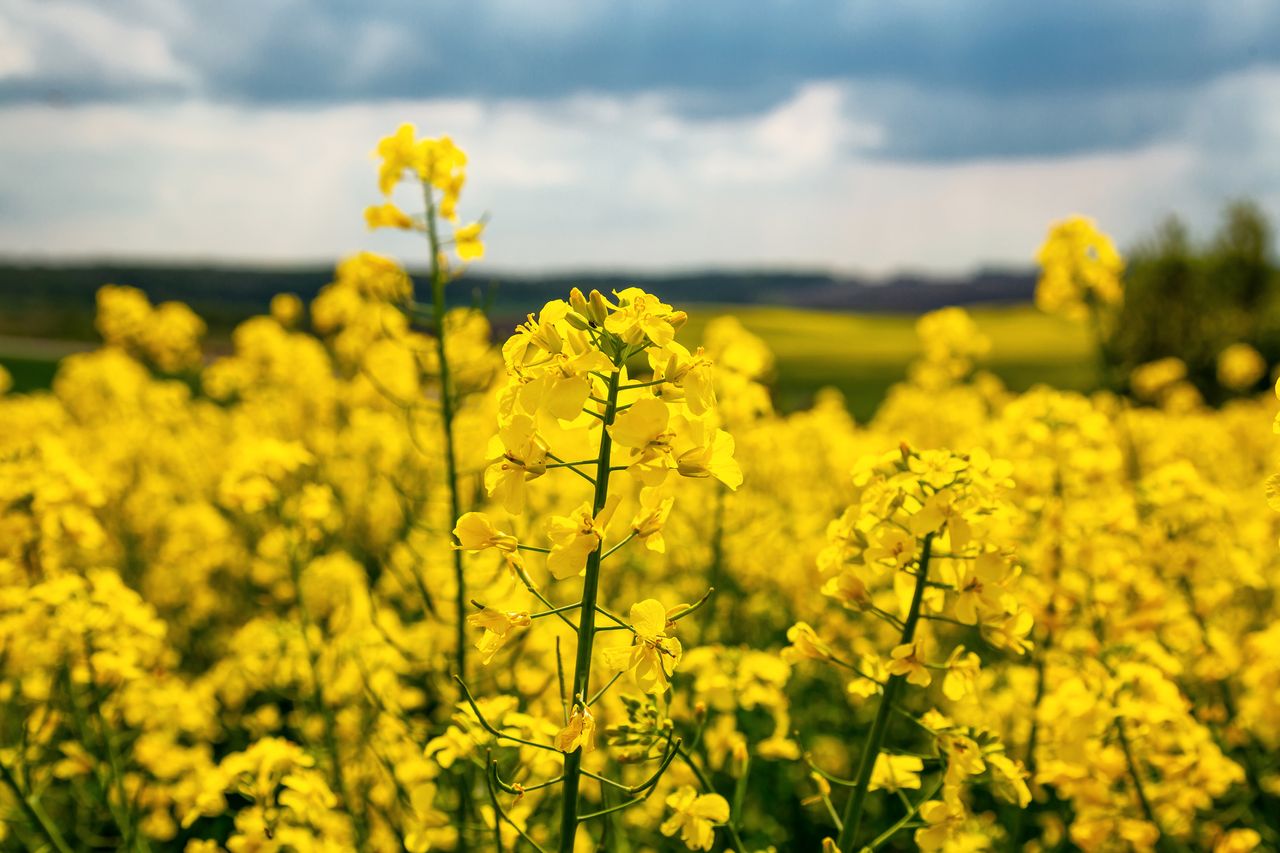
In contrast to global grain markets, oilseed rape prices remain buoyant, according to Goldcrop agronomist John Dunne.
He made this comment as he addressed an open evening, hosted at the company’s crop trials site, close to Dunleer in Co Louth.
He further explained: "Rape can play an important role in all tillage rotations.
"However, there are a number of key management issues that growers should be mindful of.”
Clubroot
One of these is oilseed rape’s predisposition to clubroot, a soil-borne disease that can impact on all brassicas.
“The disease will remain in situ for up to 15 years, if it gains a foothold at a specific location.
"Significant yield losses can be expected if oilseed rape is grown in such circumstances.
“Tillage farmers have the option of planting clubroot tolerant varieties if growing oilseed rape in soils known to be infected by the pathogen.
“However, a yield penalty of up to 10% will be incurred relative to that achieved when growing standard varieties of rape in land that is free of the disease," Dunne said.
Significantly, Goldcrop has confirmed that clubroot has been at the company’s trial sites in counties Louth and Cork.
Dunne explained: “We are participating in a Teagasc research trial, designed to identify the strains of the clubroot pathogen that are active in Ireland.
“I would encourage all tillage farmers who think they have a clubroot problem to participate in this work; it’s simply a case of submitting relevant soil samples."
One way of reducing the threat posed by clubroot is for tillage farmers not to include brassicas in cover crop mixes.
“All the members of the brassica family are predisposed to the disease,” Dunne stressed.
Lodging
Lodging has been the other challenge identified in winter oilseed rape crops this year.
According to the Goldcrop agronomist, the issue is real "yield robber".
“Once plants fall over, the levels of light getting through to the leaf canopy fall off dramatically.
“This, in turn, reduces the levels of photosynthesis taking place at a critical period in the development of the crop," he explained.
Dunne went on to say that rape crops are "on track to be harvested at the end of July'.
With regard to the harvesting of oilseed rape, Goldcrop highlighted that glyphosate can no longer be used as desiccant unless high levels of weed infestations would physically prevent the harvesting process.
Given these circumstances, growers should be patient, ensuring that the entire crop has dried down completely.