To feed or not to feed: Housing replacement heifers this winter

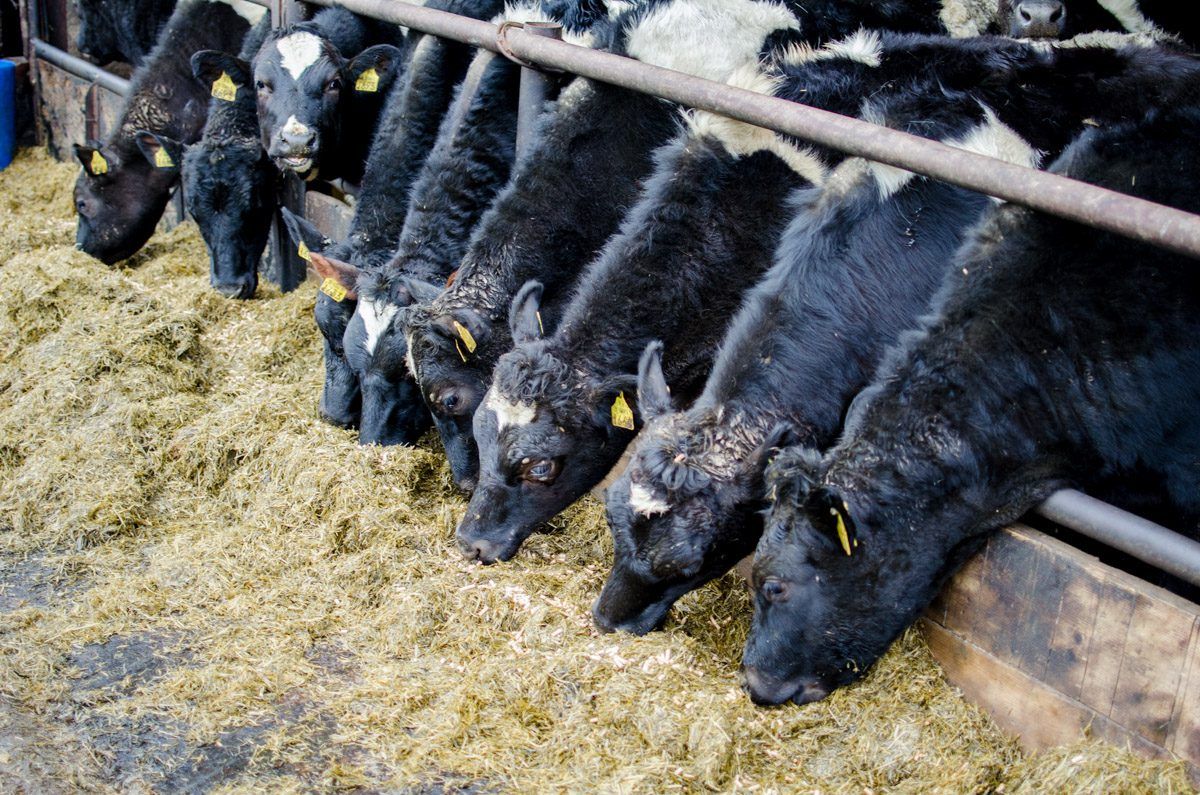
Despite the good stretch of weather at the moment, the majority of cattle will likely be housed within the coming weeks.
According to advisers, this is an ideal time to weigh and batch them based on their liveweight levels.
Teagasc dairy specialist, Martina Gormley has outlined the importance of feeding replacement heifers correctly and reaching target weights for animals indoors this winter.
Heifers that have a lower weight at calving can lead to calving difficulties while also producing less milk post-parturition, Gormley said.
Meanwhile, heifers that are overfat may also have issues surrounding survival in the herd.
Economic Breeding Index
Using the Economic Breeding Index (EBI), the heifer's maintenance value can give farmers an insight into the estimated cost of rearing and maintaining the animal as cow in the herd.
In the maintenance sub-index, positive '€' values represent lower liveweight cows that, in turn, have lower feed requirements to maintain themselves.
Negative '€' values in the maintenance sub-index relate to higher liveweight cows, with a higher dry matter intake required as a maintenance diet.
For the same level of dry matter, the lower liveweight cow has a higher capability to produce milk solids compared to the higher liveweight cow, Gormley explained.
The table below shows four examples of cows with various maintenance sub-index and their predicted mature liveweight:

Liveweight gains of 0.5kg/day and 0.7kg/day are required for heifers on target and lighter animals over the housing period, according to the dairy specialist.
To meet these requirements:
- Heifers should be dosed pre-housing;
- 400-500mm of shed space per animal;
- Feed concentrates based on your silage quality.
Concentrate feeding
Concentrates should be used to bridge any gap left by poor quality silage.
The table below outlines concentrate levels required based on silage quality:

Silage should first be tested in order for farmers to realise their silage quality and reduce the risk of overfeeding of expensive concentrates.