Climate council urges annual funding for farmers to help restore nature

The Climate Change Advisory Council (CCAC) has criticised the government's failure to commit adequate funding for nature restoration in Budget 2027.
The CCAC has stated in the 'Biodiversity' chapter of its Annual Review 2026 that no specific allocations for nature restoration have been made through the Infrastructure, Climate and Nature Fund.
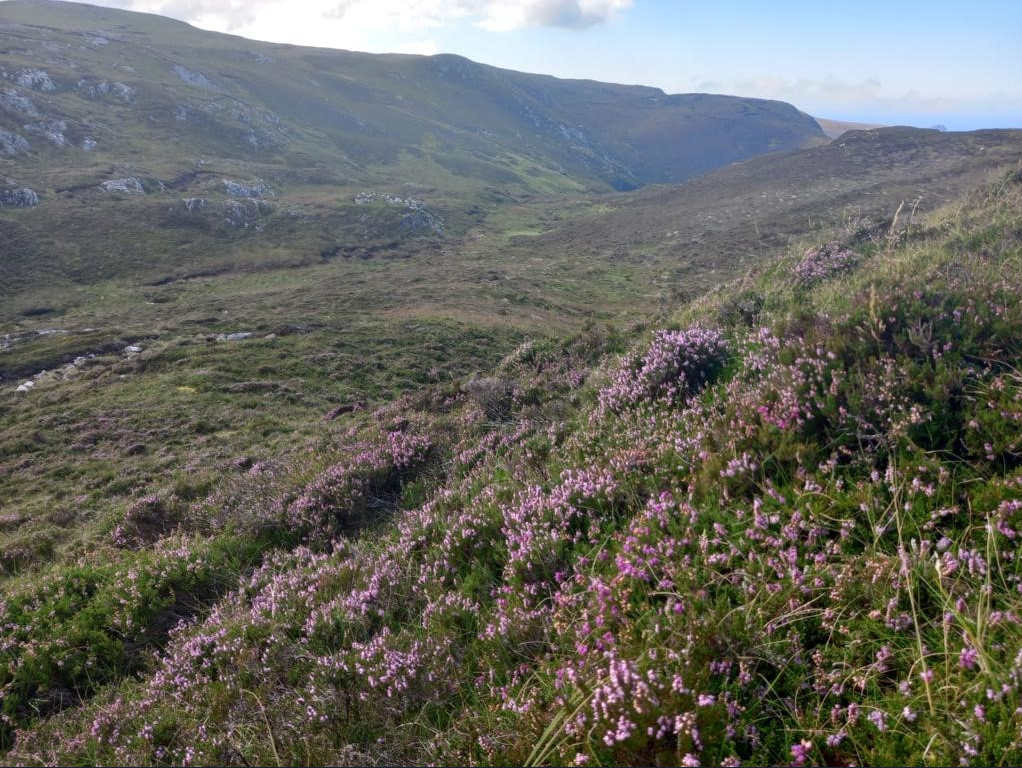
The latest conservation assessments show that 90% of Ireland's EU-protected habitat types and 42% of protected species are in unfavourable conservation status, with the majority of protected habitat types continuing to decline.
The council said that reversing this decline requires immediate action to tackle the pressures driving biodiversity loss, alongside sustained investment to restore habitats.
The CCAC is calling for multi-annual funding commitments, greater investment in nature-based measures and financial supports for farmers and landowners to restore and manage habitats.
With more ecologists and conservation specialists currently needed to support existing work, restoration efforts would also support further skilled employment creation in rural Ireland, according to the report.
Healthy wetlands and floodplains help absorb and store excess rainfall, while coastal dunes and saltmarshes provide natural defences against erosion, sea level rise, and storm surges, according to the CCAC.
As these habitats deteriorate, communities lose protections that complement built flood and storm defences, the report outlines.
Investment in nature restoration
There is also a strong economic case for investment, according to the council.
Ireland's draft National Restoration Plan estimates that ecosystem restoration and re-establishment could deliver €32.9 billion in socio-economic benefits between 2024 and 2050, against estimated costs of €5.8 billion.
These benefits include: reduced flood risks; improved water quality; increased carbon sequestration; and healthier ecosystems.
Funding for the National Parks and Wildlife Service (NPWS) has increased in recent years, with €112 million allocated for 2027.
While the CCAC welcomed this investment, it added that Ireland’s investment gap for biodiversity protection and restoration is estimated at €700 million per year.
As a result, it stressed that a dedicated, long-term funding programme to deliver the National Restoration Plan is urgently needed.
The CCAC is calling for multi-annual funding commitments, greater investment in nature-based measures and financial supports for farmers and landowners to restore and manage habitats.
With more ecologists and conservation specialists currently needed to support existing work, restoration efforts would also support further skilled employment creation in rural Ireland, according to the report.

CCAC member, Prof. Yvonne Buckley said: "Nine in 10 of Ireland's EU-protected habitat types are in unfavourable condition.
"We know how serious the problem is, yet we still haven't committed the long-term funding needed to turn things around.
"There is a clear business case for this investment into biodiversity and nature restoration efforts.
"Without functioning and restored ecosystems, Ireland will suffer economically, ecologically and socially," she said.
The council member said that even though funding to the NPWS has been increased, it is still "not enough".
Referencing the commitment of €715 million to the Office for Public Works (OPW) for flood-risk management between 2026 and 2030, the CCAC said there needs to be the same level of ambition when it comes to restoring the wetlands, peatlands and coastal habitats that help protect communities across Ireland.