Teagasc warns of feed shortages in east and south

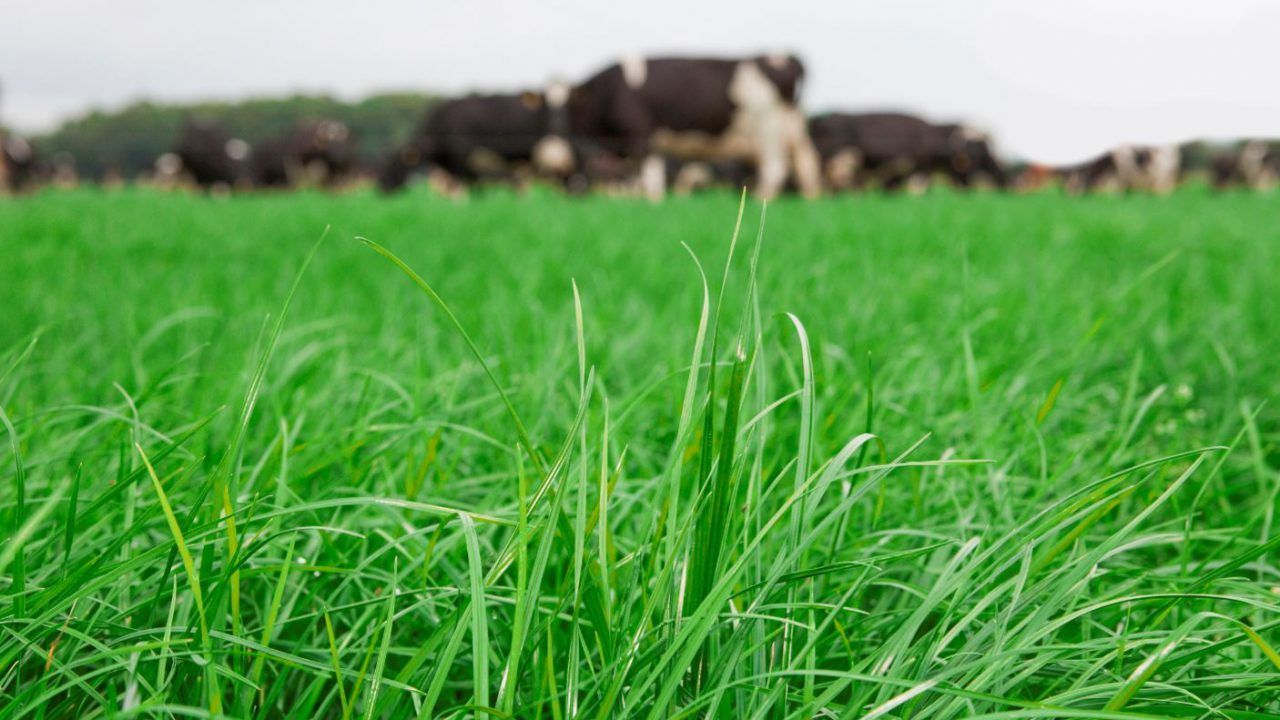
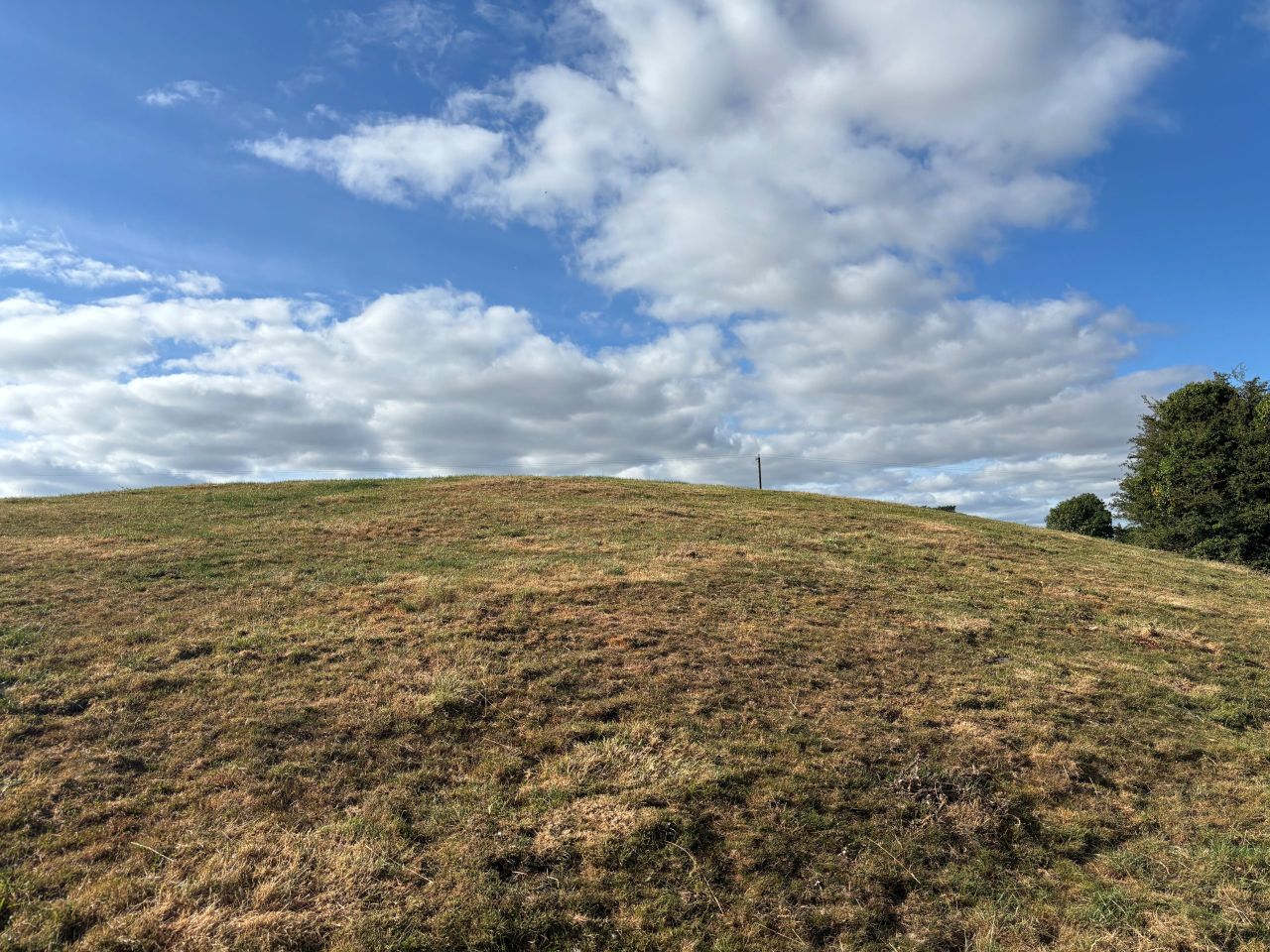
Due to the ongoing drought conditions across much of Ireland, feed supply remains at the forefront of farmers’ concerns.
The latest data from Teagasc suggests that good grass growth during April and May this year has resulted in feed stocks on most farms being at normal or above normal levels.
However, the rainfall received in the coming weeks will determine whether farmers in the east and the south of the country will experience grass feed shortages in the winter months ahead.
To date, the research indicates that overall grass growth has been 8,176kg dry matter (DM)/ha, which is a decline of 490kg DM/ha, or 7% lower than the 10-year average.
Large growth variations
However, according to the Teagasc research, there is currently a large variation in grass growth across the country, with the southern and eastern regions the worst affected.
In the east, very little rainfall was received during August, resulting in soil moisture deficits of between 70mm and 90mm.
Coupled with below normal rainfall in July, grass growth here is less than 10kg DM/ha/day, or less than 10% of normal growth.
A similar pattern has emerged in the south, where grass growth is estimated at 20 to 30kg (DM)/ha/day, or 25% of normal growth.
Soil moisture deficits of between 50mm and 60mm have been recorded there.
In the south-west of the country, grass growth is currently at between 50% and 75% of normal growth, and in the west grass growth is near normal, according to Teagasc.
Supplemental feed
As a result of the current conditions, many farmers are compelled to supplement their animals’ daily feed requirements, which is adding significant costs, especially if livestock require substantial feed supplementing for prolonged periods.
At present farmers in the east of the country have to supplement between 75% and 100% of daily feed requirements.
In the south, this figure is between 50% and 75% of daily feed requirements, and in the west and south-west normal levels of supplementation are being reported.
Teagasc offers the following advice to farmers during the current drought conditions:
- Ensure that all animals have an adequate supply of feed, especially water;
- Continue to monitor farm feed budgets on a weekly basis and submit figures to the Teagasc National Fodder survey;
- Grassland farmers are encouraged to monitor grass cover. Do not underestimate grass supply, as grass DM content is extremely high at the moment;
- When feed supply is short, supplement with 50% grass silage and 50% concentrate feed, but do not exceed 6kg of concentrates daily. Some buffer feeds will be required during this period;
- Farmers in the east and the south of the country are advised not to spread nitrogen until adequate rainfall is received;
- Farmers should also maintain grazing rotation, however, due to the current situation consider extending rotation length beyond 21 days.
Finally, Teagasc urges farmers to take action early if their current feed budget and use of silage indicate that they are at risk of a deficit in winter feed.