South-east grass growth falls short of demand due to drought

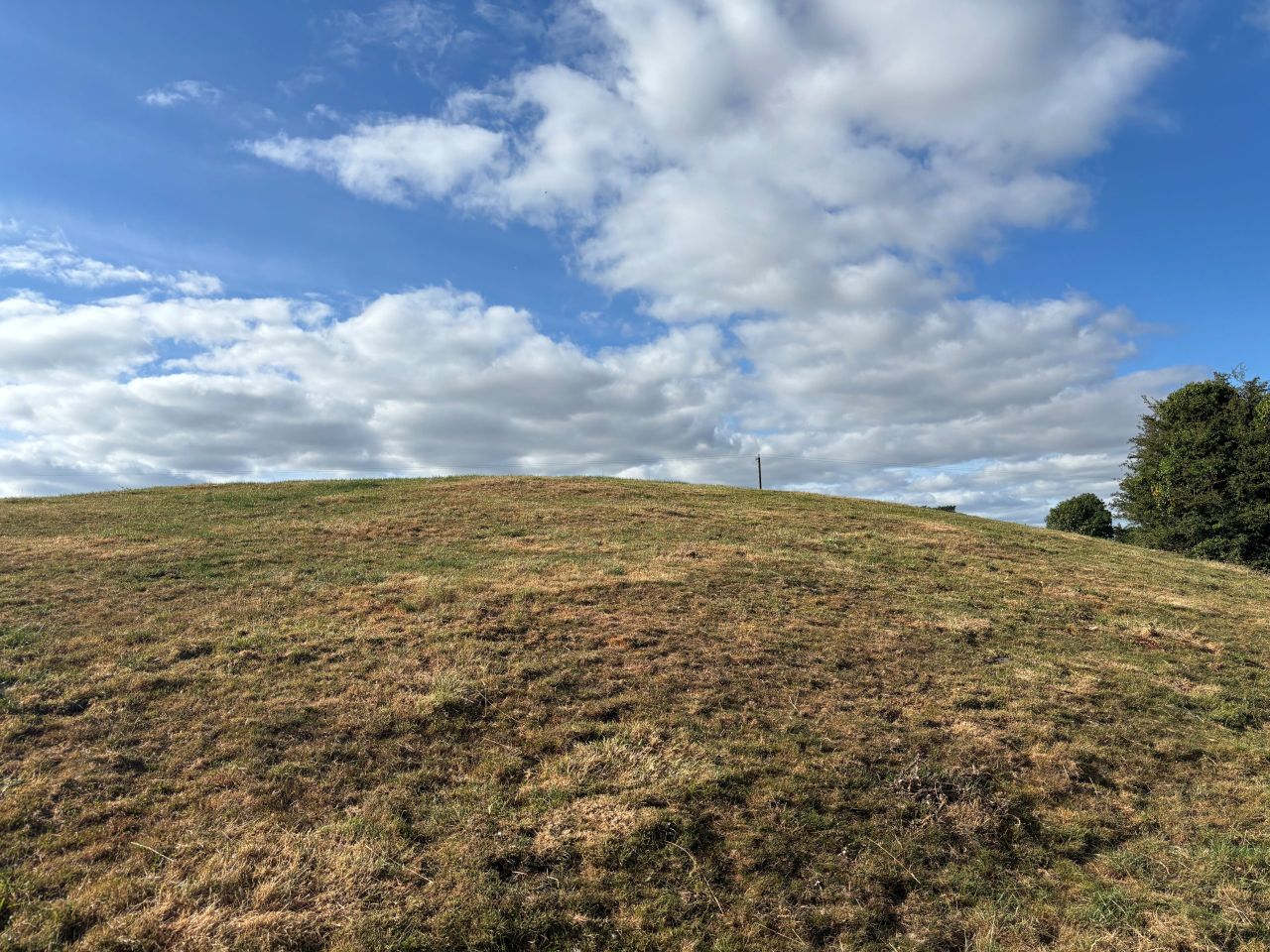
Drought conditions continue to prevail in the south-east, placing pressure on farms' fodder resources for the winter.
According to PastureBase Ireland, this week's grass growth rates across the country averaged 31kg dry matter (DM)/ha, with a demand of 35kg DM/ha.
However, the south-east of the country continues to experience much lower average growth rates, with average growth as low as 8kg DM/ha in some areas.
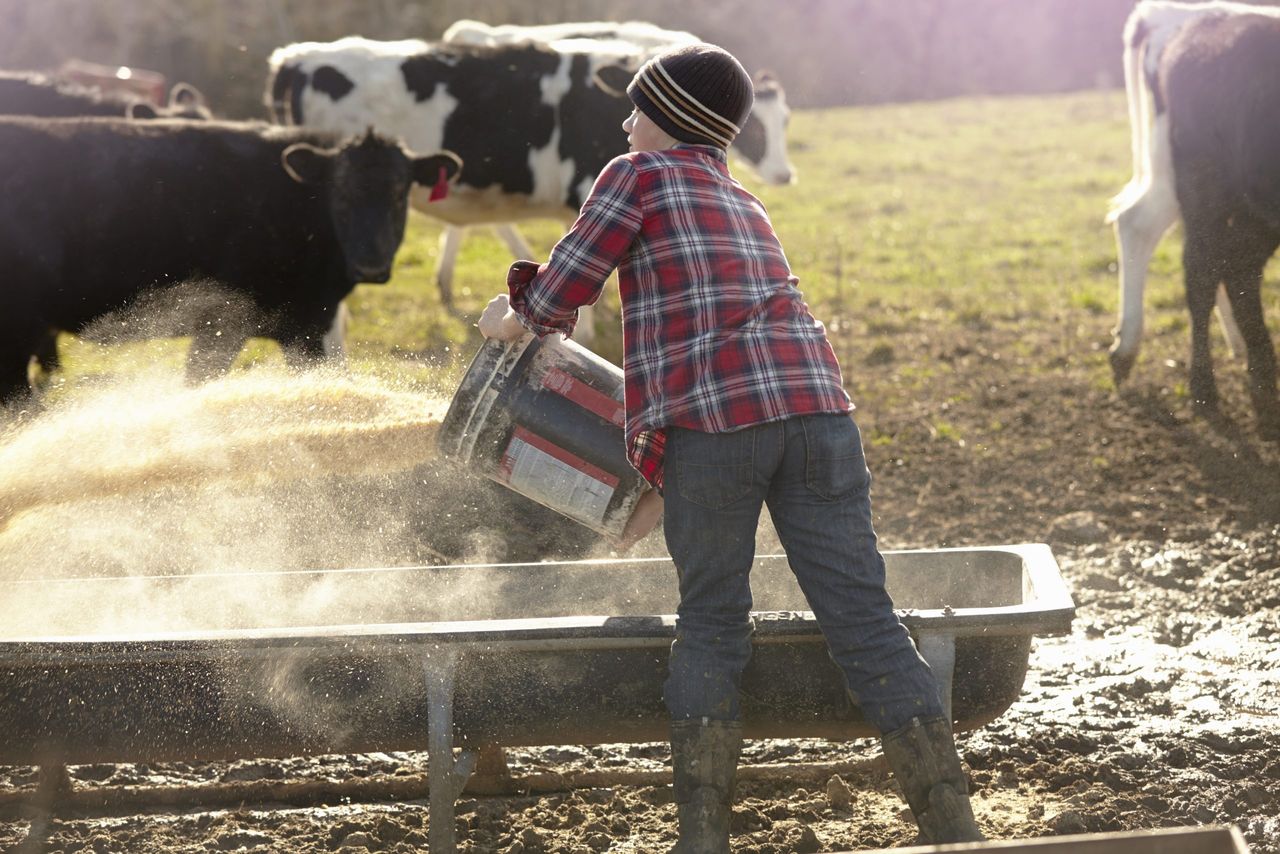
The average daily diet per livestock unit across the country is currently 10.5kg DM of grass with 4.5kg of meal and 4kg of silage being fed.
But once again, some farmers in the south-east are now feeding full silage and concentrate diets, as grass availability is non-existent.
The average cover/livestock unit (LU) is 176kg DM/LU across Ireland.
Farm cover
Average farm cover is standing at 505kg DM/ha and pre-grazing yields at 1,048kg DM/ha, although 53% of farms have a farm cover below 500kg DM/ha.
Areas in the north-west such as Co. Mayo have seen a growth boom again this week following decent rainfall, with growth rates surpassing 75kg DM/ha.
The contrast is so significant that some of these counties in the north-west are experiencing near saturation conditions, with soil moisture deficits down to -5, and farmers being warned to look out for grass tetany.
By comparison, the south-east still has soil moisture deficits of between 72mm and 98mm, which means that a great deal of rain is needed before the grass will start to grow again.
Grass quality
For farms in the north-west, grass may be growing as a result of rainfall, but with warm sunny days still being forecast, farmers will have to keep an eye on quality.
On warm sunny days a plant can still be placed under stress, causing it to shoot out into stem very early.
The aim during this time of year should be preventing the grass plant going into the reproductive stage and stemming out.
Cows grazing on this grass will not get all the necessary nutrients, and if silage is cut from this grass, it will not receive a high test result.
Optimal rotation
To prevent this, these farms need to be targeting an optimal rotation length and correcting paddocks where the grass has grown too long or has become overly mature.
Rotation lengths will be farm specific, but farms in the north-west may be able to start targeting 21 to 25 days again, looking for an AFC of over 600kg DM/ha, while keeping autumn covers in mind.
If growth rates are good and your average farm cover (AFC) is optimal, farmers may be able to begin correcting grass quality by cutting surplus bales again.
If this is not possible, correct pasture quality by topping immediately after grazing.
To make quick and timely decisions about grass quality issues, and deciding which paddocks need to be grazed next, the farm's pasture land should be 'walked' at least every five days.