The growing search for Ireland's healthy ash trees

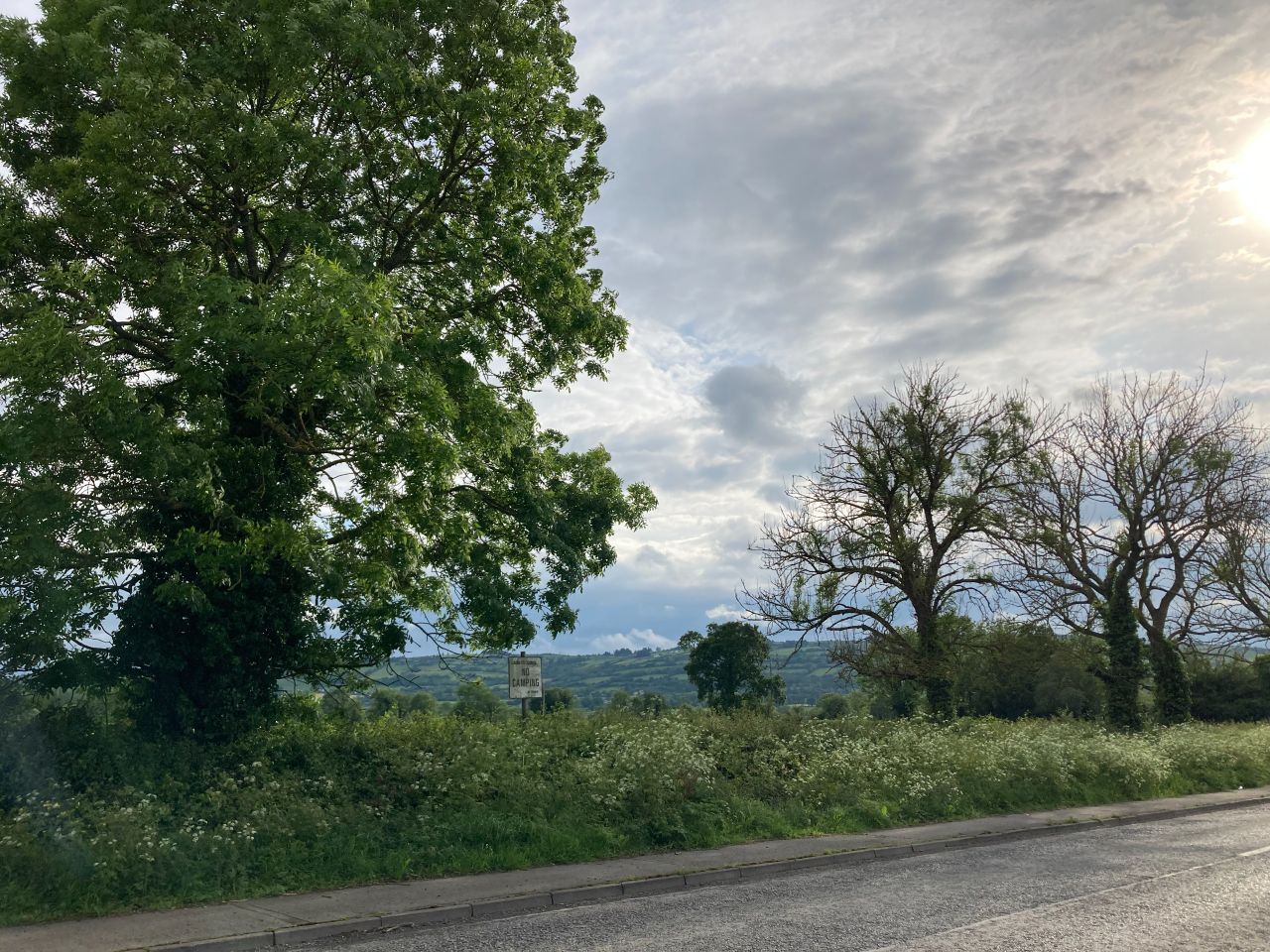
As the devastating impact of ash dieback continues to be felt across the country, members of the public are playing a critical role in helping researchers to safeguard ash trees for future generations.
Launched in 2024, the AshforFuture Research Project seeks to identify, monitor, select, and breed disease-tolerant ash trees across the island of Ireland.
The four-year project, led by Teagasc and funded through the Department of Agriculture, Food, and the Marine (DAFM) and the Department of Agriculture, Environment, and Rural Affairs (DAERA) in Northern Ireland, brings together a multidisciplinary team of experts from across the island of Ireland and Europe.
The aim is to build a bank of genotypes of ash with tolerance to ash dieback.
These genotypes will be used to bulk up stocks of tolerant trees, as well as for establishing seed-producing orchards.
Dieback
Ash dieback was detected in Ireland back in 2012, but the disease had already been present on mainland Europe since the 1990s.
It is estimated that up to 90% of ash trees will succumb to dieback disease, and without action, the species is at serious risk.
Between 2012 and 2015, Irish researchers worked to identify around 1,000 ash trees in the country that were showing some level of tolerance to the disease in the initial years of selection.
Cuttings from these trees were sent to Lithuania for screening in high disease pressure conditions.
The results showed that around 35 genotypes or 3.5% showed a higher level of tolerance.
These trees were then grafted onto ash rootstock which was planted a field trial in Teagasc, Oak Park in Co. Carlow.
Dr. Dheeraj Rathore, who is coordinating the AshforFuture project, told Agriland the research shows that 3-5% of trees will have a low level of disease severity, which is "positive".
In 2019, genotypes were also collected from ash trees in different European countries and brought to Ireland.
These were planted in the "gene bank" in Castlemorris, Co. Kilkenny, where screening or field testing under Irish environmental conditions is ongoing.
Research
Ash trees are deeply rooted in the Irish landscape, both economically and ecologically.
They provide a habitat for nearly 1,000 species, play a role in traditional farming systems, and are the key source of timber for making hurleys.
A crucial part of the AshforFuture project invites the public to help researchers by reporting sightings of healthy, disease tolerant ash trees.
As gathering plant material from across the island would require substantial resources, the involvement of the public helps make the process more cost effective.
It also allows researchers to accelerate the selection process for resilient ash trees.
"We go everywhere as citizens. We go to different parks, we have our own private gardens, we have our own private farms and we have our own hedgerows," Dr Rathore said.
"Ash is the second most common species of Irish hedgerows and we have around 400,000km of hedgerows in Ireland. So imagine how many ash trees will exist.
"When the general public goes out for walks and leisure, we can become citizen scientists and we can look at those trees."
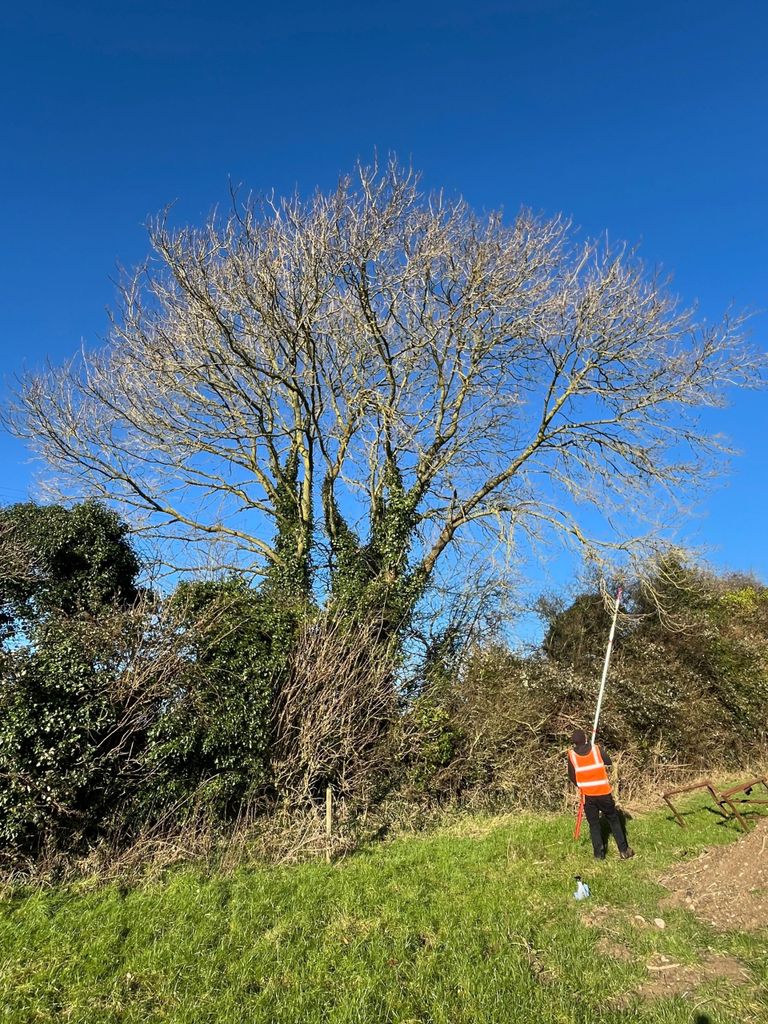
No specialist knowledge is needed to take part in the project, people just need to be observant.
Researchers have developed a simplified classification system on the Teagasc website to help people identify and report healthy tolerant ash trees.
"A class one tree is a tree which has around 76% to 100% of the crown looking intact and green, and there's very few twigs that are showing some sign of disease.
"Why I'm saying some sign of disease is that every tree is going to be affected. It's the severity level that we are looking for. So if they are less severe, that's what we want," Dr Rathore said.
Although potentially tolerant trees can be identified throughout the year, disease symptoms are easiest to recognise in late summer and early autumn.
Ash trees
Over the past two years, over 500 reports have been submitted to the project team by members of the public, resulting in the collection and propagation of nearly 400 potentially tolerant ash genotypes.
"Every year we aim for a collection of around 150 to 200 genotypes because that's our capacity to do the grafting and grow them in our glasshouses because we do multiple copies of each of the genotype for field testing," Dr. Rathore said.
Field trials for these samples have now been established in counties Cavan, Dublin and Wexford, with plans to establish further trials across the country.
Hotspots
Researchers are also asking farmers and landowners to help identify existing 'hot spots' for ash trees.
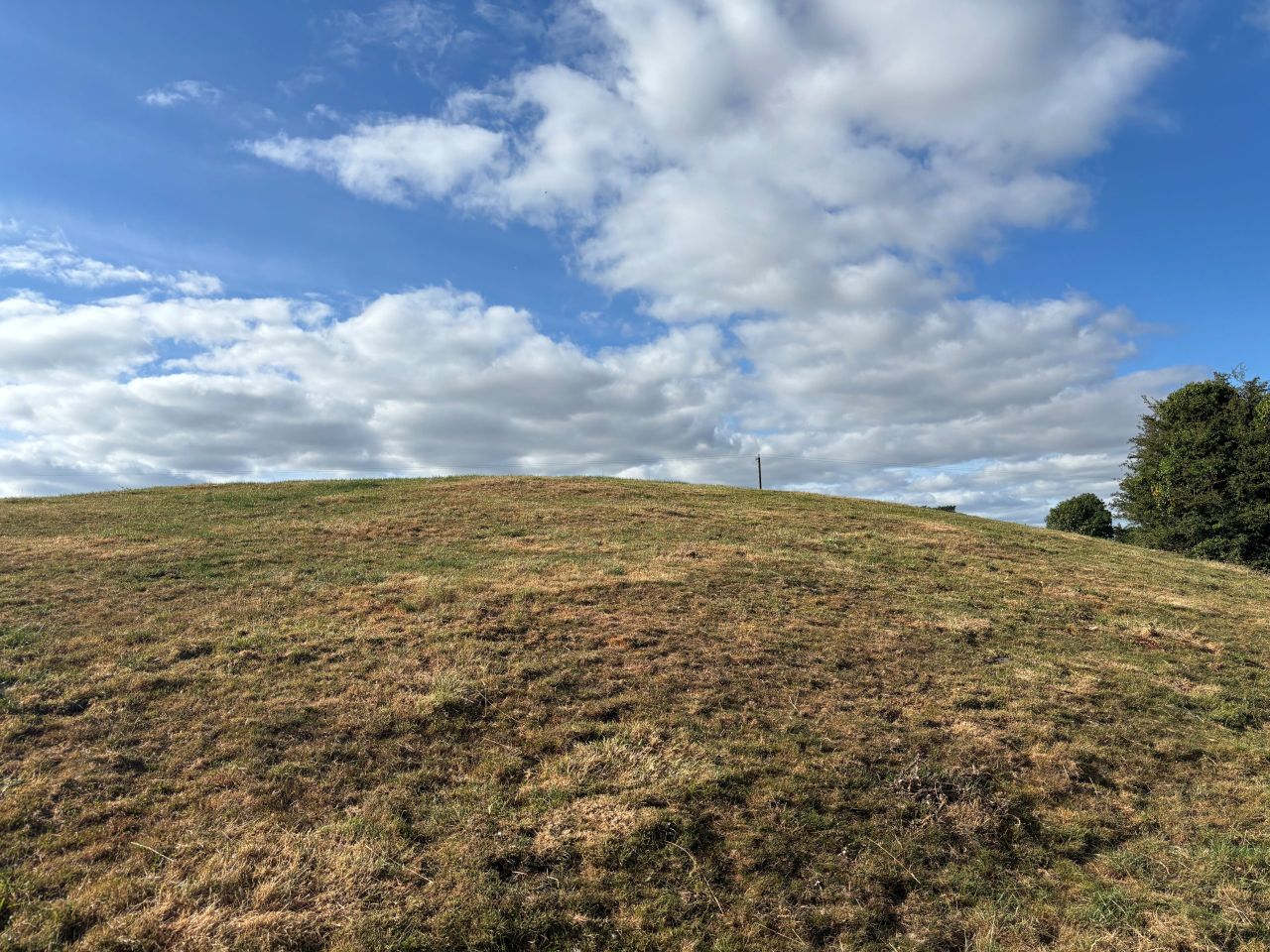
"Each hotspot is comprised of one to two metre square area where ash seedlings are naturally regenerating.
"We are marking that area in the map and with agreement with the forest or landowner they are going to leave those trees to nature and to their fate.
"We will monitor them for five to seven or 10 years beyond the project timeline and see how many of those seedlings are going to continue, show no sign or very minimal sign of ash dieback," Dr. Rathore said.
He added that, considering the number of ash trees in Ireland's natural populations, there could be millions in the country.
"Even if only 5% of those show a high level of tolerance that would still represent a few thousand trees.
"I think we have to approach this both ways, because the natural populations are important for biodiversity and ecological purposes.
"Then we need to look into the commercial side and see if we can bring ash back into commercial forestry," he added.