Tánaiste suggests budget may address livestock VAT anomaly

An "anomaly" between the livestock VAT rate and the farmer flat-rate addition may be addressed in the upcoming budget, Tánaiste Simon Harris has indicated.
Since January, the flat-rate addition paid to farmers not registered for VAT was reduced to 4.5%, while VAT on livestock sold through marts is at 4.8%.
This means that farmers selling livestock through marts are losing the difference on every animal they sell.
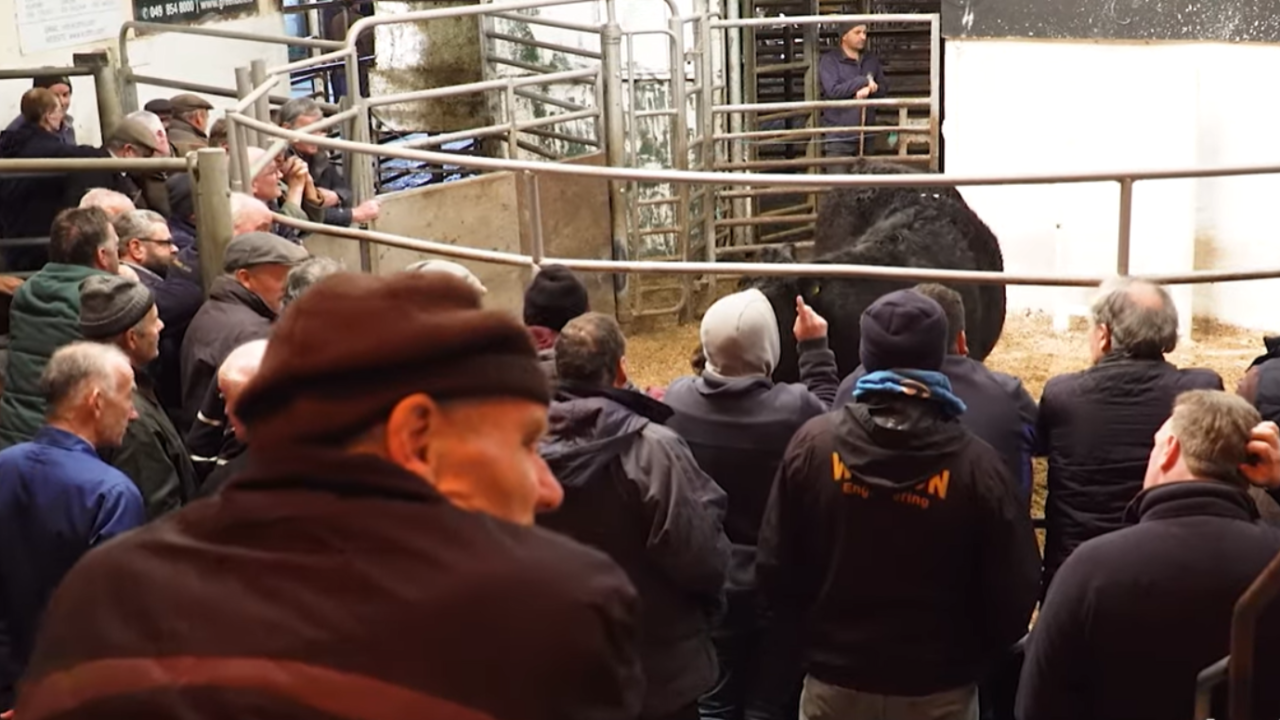
The Irish Co-operative Organisation Society (ICOS) said Budget 2026 created a "negative anomaly" regarding non-VAT registered farmers selling their livestock in the marts which does not happen if the transaction is completed privately between two unregistered parties.
The difference in the rates has not only resulted in financial losses for farmers, but has impacted throughput at marts.
VAT
The issue was raised with Tánaiste and Minister for Finance Simon Harris by Fianna Fáil TD Aindrias Moynihan at the Oireachtas Committee on Budgetary Oversight.
"Farmers selling livestock in the mart over the last year they're seeing that there's larger deductions from the mart. The flat rate addition was dropped from 5.1% down to 4.5% over the last year.
"The flat rate addition is supposed to be a measure that would be friendly to farmers aimed at facilitating smaller farmers who wouldn't be VAT registered," Deputy Moynihan said.
The TD, who is also chair of the Oireachtas Committee on Agriculture and Food, noted that the livestock VAT rate and the farmer flat-rate addition had historically been linked, but had been "decoupled" in 2007.
Farmers
The Tánaiste said the issue had been "extensively raised" with both himself and Minister for Public Expenditure Jack Chambers by farm organisations.
"In line with the relevant macroeconomic data the flat rate addition was reduced to 4.5% and is now below the VAT rate charged on the sale of livestock, which I think has caused the challenge this year and certainly the frustration this year that I hear from farmers," he said.
He explained that the VAT rate applied to livestock is based on "the super reduced rate" where EU member states are permitted to apply a rate below the minimum allowed for reduced rates of 5%.
"Historically, this rate has been the same or lower than the rate set for Farmers Flat Rate Addition scheme which compensates farmers for VAT incurred on their purchase without having to register for VAT," he said.
The Tánaiste noted that the flat rate payment is subject to review by Revenue every year.
"My understanding is that review is now almost complete and then we provide an update as part of the normal budget process," he said.
He said that if the government decides to amend the livestock rate that will be done as part of the "normal budget process".
"I haven't yet received the data but I have a sense that some of the concerns of farmers may well be resolved this year as part of that technical exercise, but I say that with the caveat that I’ve yet to receive the report from revenue," Harris added.
The Tánaiste said he was not aware why the rates were decoupled in 2007.
"On foot of you raising it I'll have a look at that now and give consideration to that in advance of the budget," he told Deputy Moynihan.