Sponsored
How is Bord Bia engaging with farmers? Q&A with Seamus McMenamin

Sponsored by

Bord Bia aims to bring Irish food and drink to consumers around the world, which in turn enables the growth and sustainability of food producers.
Strong engagement with Irish farmers and food producers is essential for ensuring the food supply chain can respond effectively to markets worldwide.
We speak to Seamus McMenamin, head of farmer engagement at Bord Bia, about helping farmers understand changing market demands and the potential benefits of remaining open to emerging opportunities.
Can you tell us about your background and where your interest in agriculture first began?
I grew up on a sheep and suckler farm outside Castlederg in Co. Tyrone, so agriculture was part of everyday life from an early age.
It was a great environment to grow up in and it gave me a real appreciation for the commitment and resilience required to farm successfully.
That upbringing instilled a passion for agriculture that has stayed with me throughout my life.
While I chose to pursue a career off-farm, I always knew I wanted to remain closely connected to the sector and contribute to its future development
Farming teaches you a strong work ethic and the importance of perseverance.
You quickly learn that not everything goes according to plan and that success often comes from adapting to challenges and making the best of changing circumstances.
It also gave me an appreciation of the pressures that farm families face.
That understanding has been invaluable throughout my career because it helps me view issues from a farmer's perspective and recognise the realities behind audits, statistics and market reports.
Did your own farming experience influence your decision to pursue a career with Bord Bia?
My farming background was a major influence on how my career developed.
While studying Geography and later Sustainable Rural Development and Project Management at Queen's University Belfast, I became increasingly interested in how agriculture, rural communities and markets interact.
My time with the Livestock and Meat Commission gave me exposure to many different aspects of the red meat sector, from farm-level production, market insights and through to market development.
Moving to Bord Bia provided an opportunity to work more closely on market access, consumer insights and supporting farmers through a market-led approach.
This progression allowed me to combine my farming roots with a broader strategic role within the industry.
How does having firsthand farming experience help you when dealing with farmers and other industry stakeholders?
I think it helps build trust and understanding. Growing up on a sheep and suckler farm means I have a good understanding of the day-to-day realities of livestock farming.
While every farm is different, many of the challenges are similar, whether that's dealing with weather, managing costs or responding to changing market conditions.
It helps me understand where farmers are coming from and the importance of keeping communication open and practical.
As head of farmer engagement, what are the main concerns you hear from farmers today?
The issues vary from sector to sector, but profitability remains one of the biggest concerns.
Farmers are also focused on sustainability requirements, environmental regulations, labour availability and ensuring the long-term viability of their businesses.
A key part of Bord Bia's role is helping farmers understand changing market demands and identifying opportunities that can add value to their enterprises.
Through initiatives such as the Sustainable Beef and Lamb Assurance Scheme and wider farmer engagement activities, we aim to provide practical supports that benefit both producers and the wider industry.
What changes have you seen in Irish sheep and livestock farming since you first became involved in the sector?
The sector has become much more market-focused and data-driven over the last number of years.
Farmers are increasingly using technology, genetics and performance data to improve efficiency and sustainability.
I've also been impressed by the progress made in demonstrating the quality, traceability and sustainability credentials of Irish sheepmeat on international markets.
These attributes continue to differentiate Irish produce globally against competitively priced products from Australia and New Zealand in particular and provide a strong foundation for future growth.
At the same time, the industry faces challenges around succession, labour and maintaining flock numbers, so it is important that we continue exploring new ways to support farm families and encourage young people into the sector.
What advice would you give to young people from farming backgrounds who are considering a career in the agri-food sector?
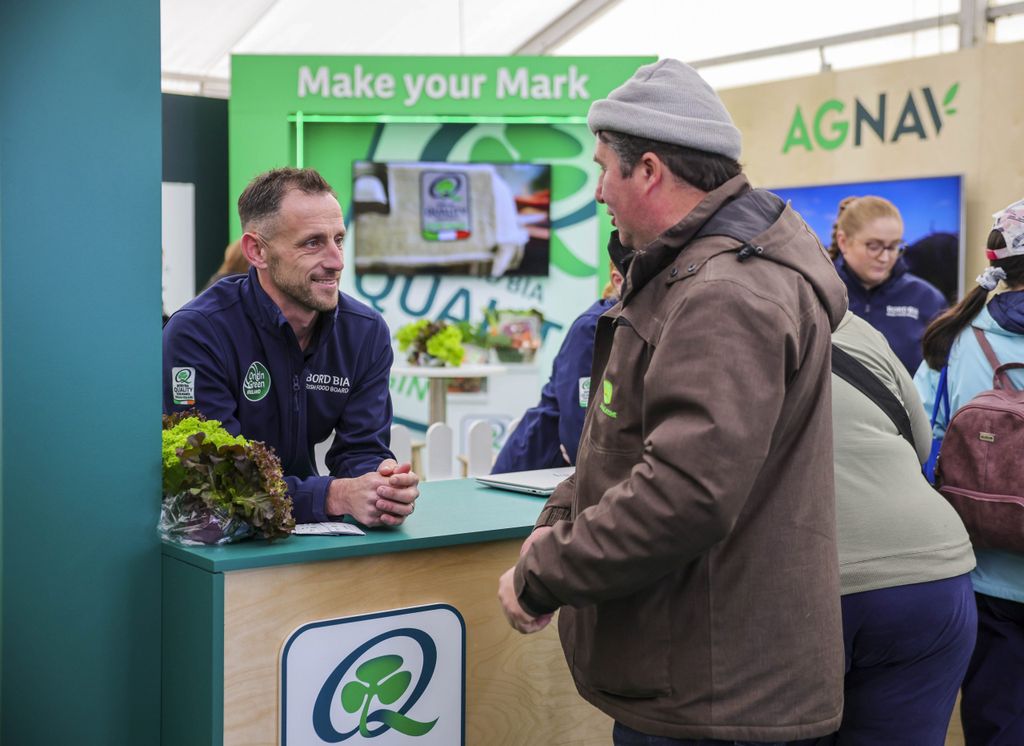
Bord Bia is currently looking for our next intake of graduates for our talent programmes.
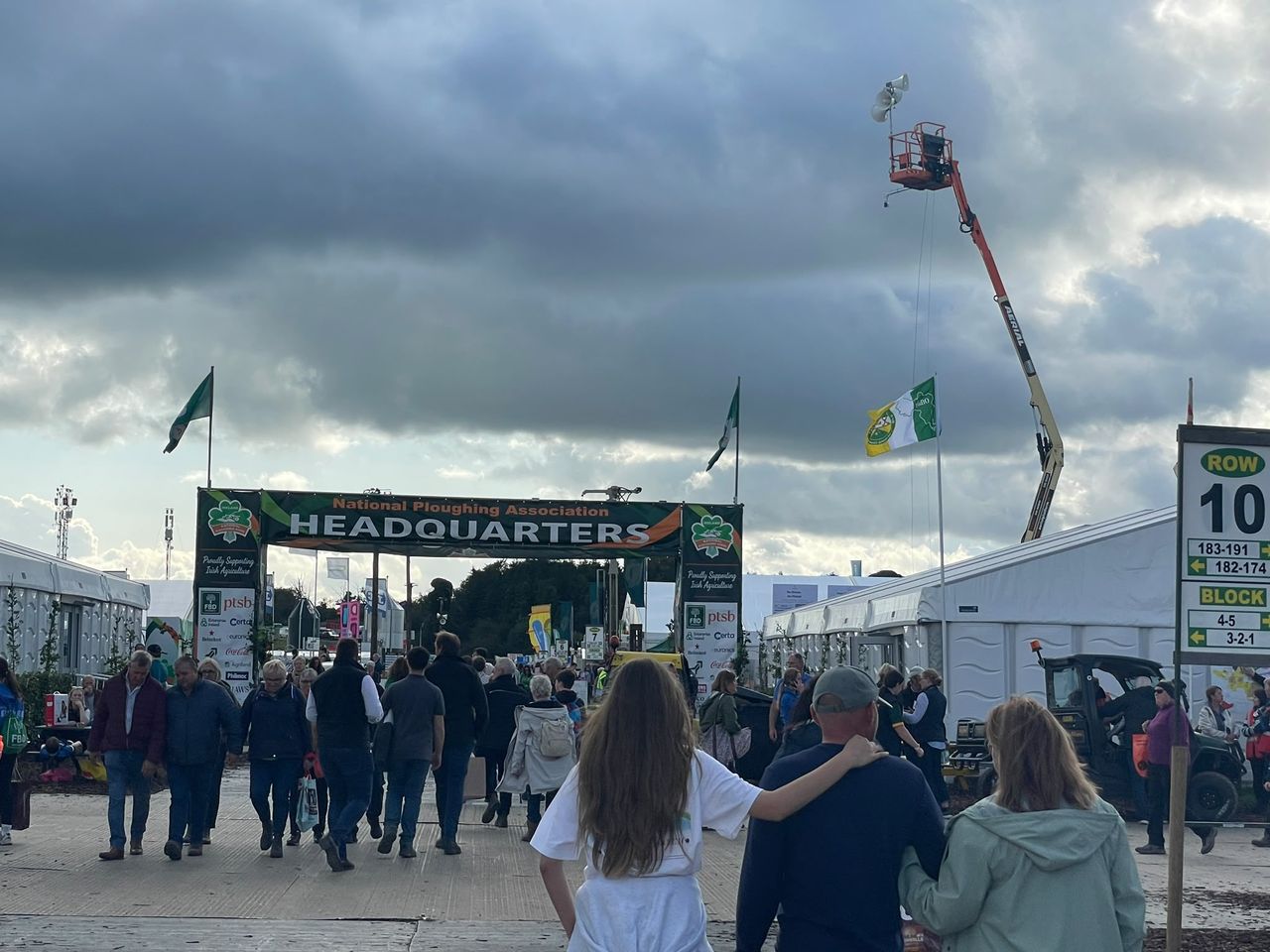
We’ll be at the National Ploughing Championships actively looking for graduates from a farming background or with an interest in farming.
The agri-food sector offers a huge variety of opportunities beyond the farm gate.
Whether your interests are in science, business, marketing, sustainability, policy or international trade, there is a role for you within the industry.
My advice would be to remain open-minded, continue learning and never underestimate the value of your farming background.
Practical experience provides an understanding that is highly valued across the sector.
As a 2025 Nuffield Ireland Scholar, I've had the opportunity to engage with people from different countries and industries, and one thing that continually stands out is the importance of bringing fresh ideas and innovation into agriculture.
Young people have a vital role to play in shaping the future of the sector.
Your Nuffield Ireland Scholarship focuses on exploring diversification opportunities alongside sheep production to support generational renewal. What prompted you to select this topic, and what lessons do you hope Irish sheep farmers can take from your findings?
One of the recurring challenges facing the sheep sector is generational renewal.
We need to ensure that farming remains an attractive and viable career option for the next generation.
Through discussions with farmers, industry stakeholders and young people considering their future, it became clear that income stability is a critical factor.
My Nuffield research is examining diversification opportunities that can complement sheep production rather than replace it.
The objective is to identify enterprises that can generate additional income streams while fitting alongside existing farm systems.
I hope the research will highlight practical examples from Ireland and abroad that can help strengthen the resilience of sheep farms and potentially make the sector more attractive to new entrants.
There is no single solution, but if we can identify approaches that improve profitability and quality of life, we can help create a stronger future for sheep farming and rural communities.
Sponsored by