Sheep
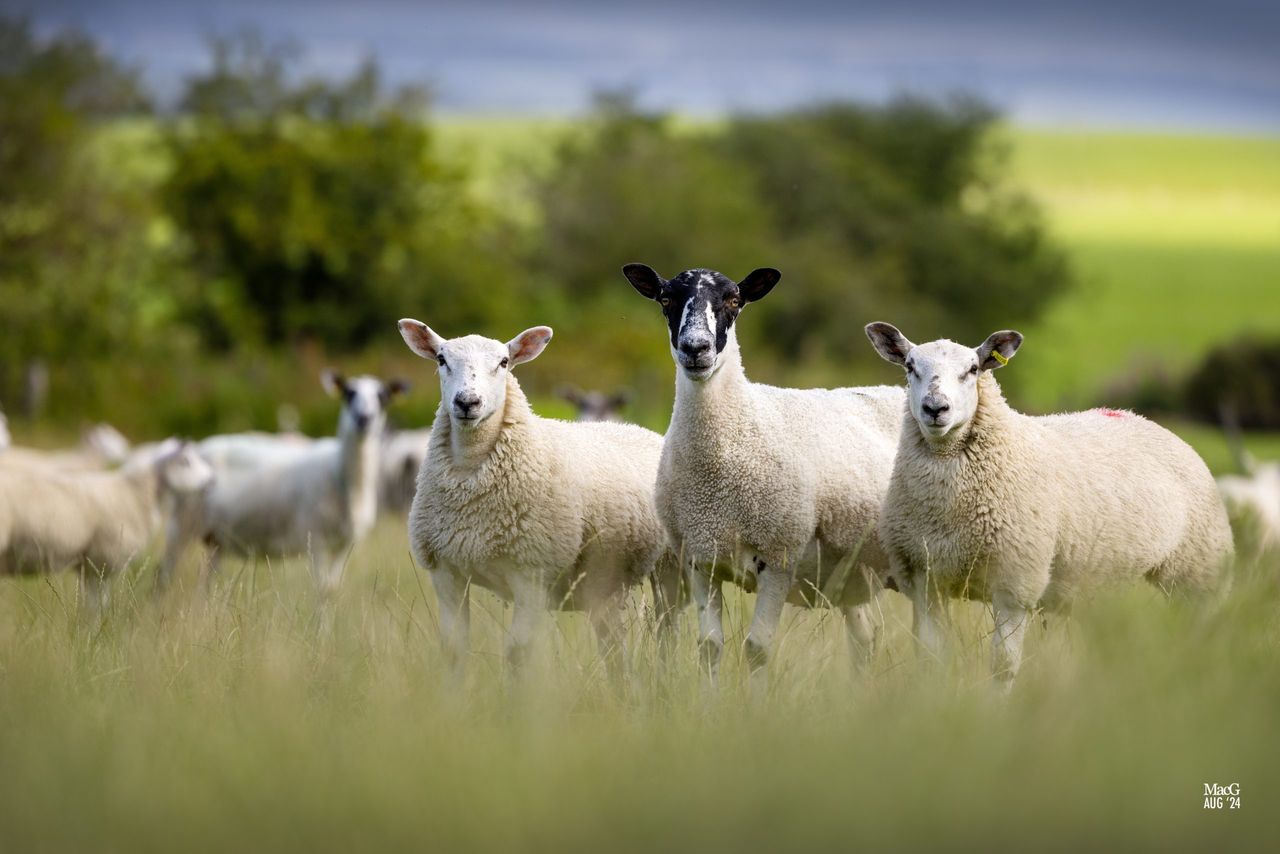
As the sheep industry pushes to cut emissions, the Texel Sheep Society is targeting breeding for cumulative, long-term reductions.
Beef
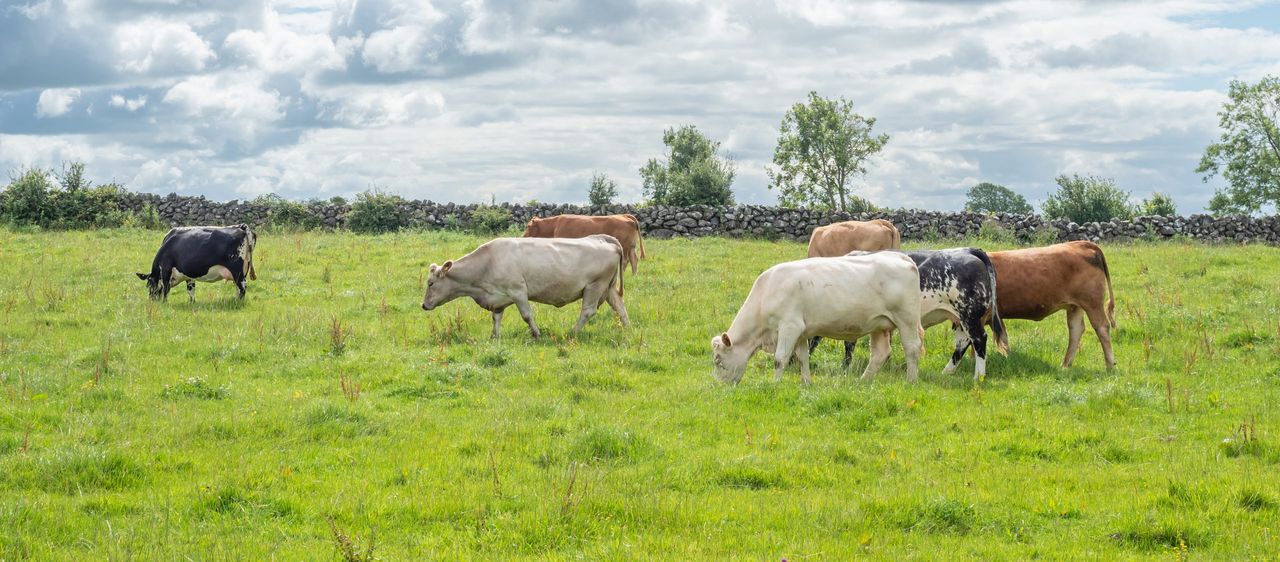
A new research project will investigate the lifetime potential of methane-reducing feed additives in beef cattle.
Teagasc is studying new ways to reduce methane emissions in beef cattle through diet, without hampering cattle performance.
Dairy
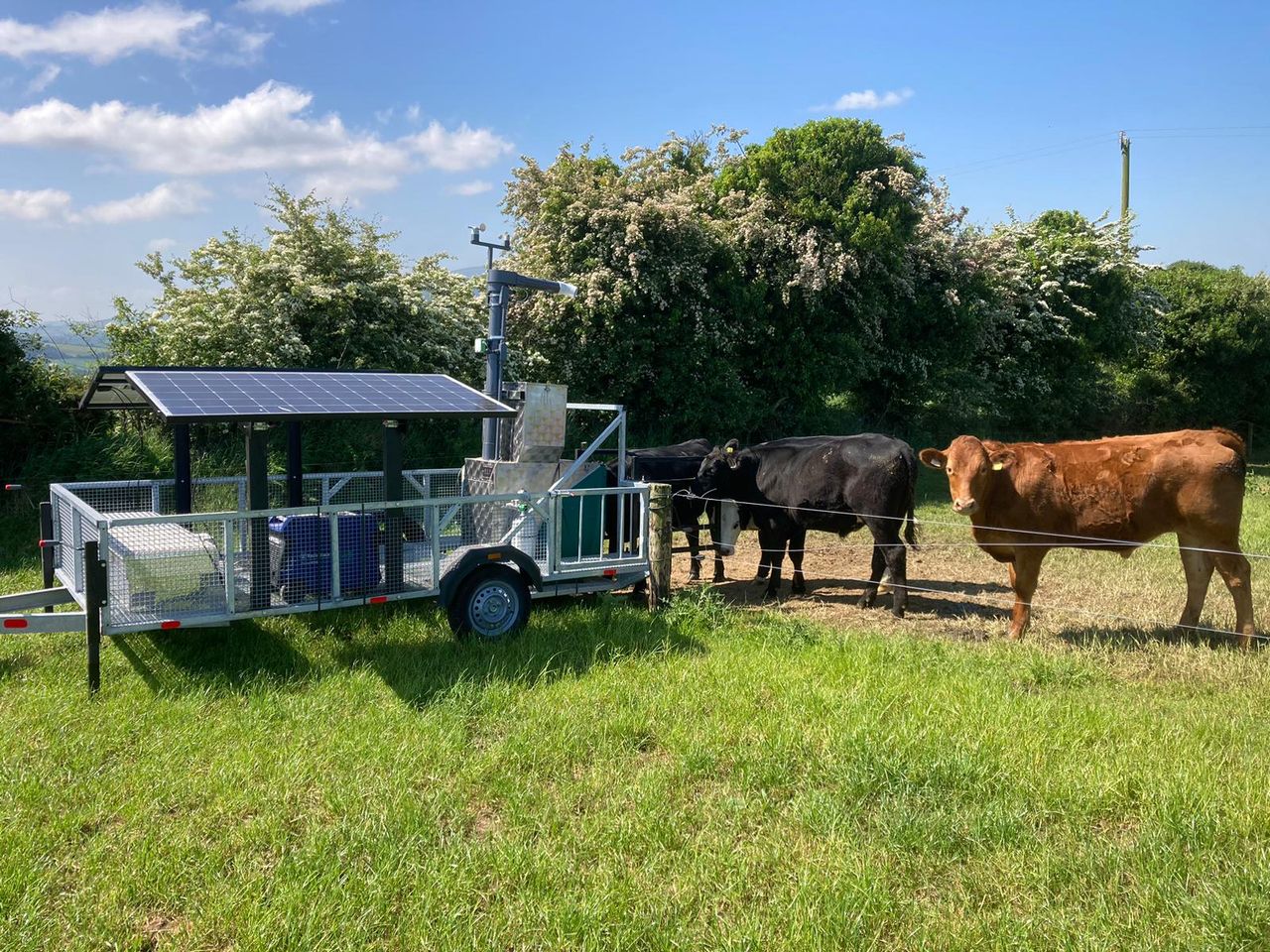
Teagasc is currently inviting tenders from suppliers for a "sniffer system" to detect methane emissions in cows.
Environment
Climate mitigation risks being “undermined by misuse of new approaches to methane” according to a group of international scientists.
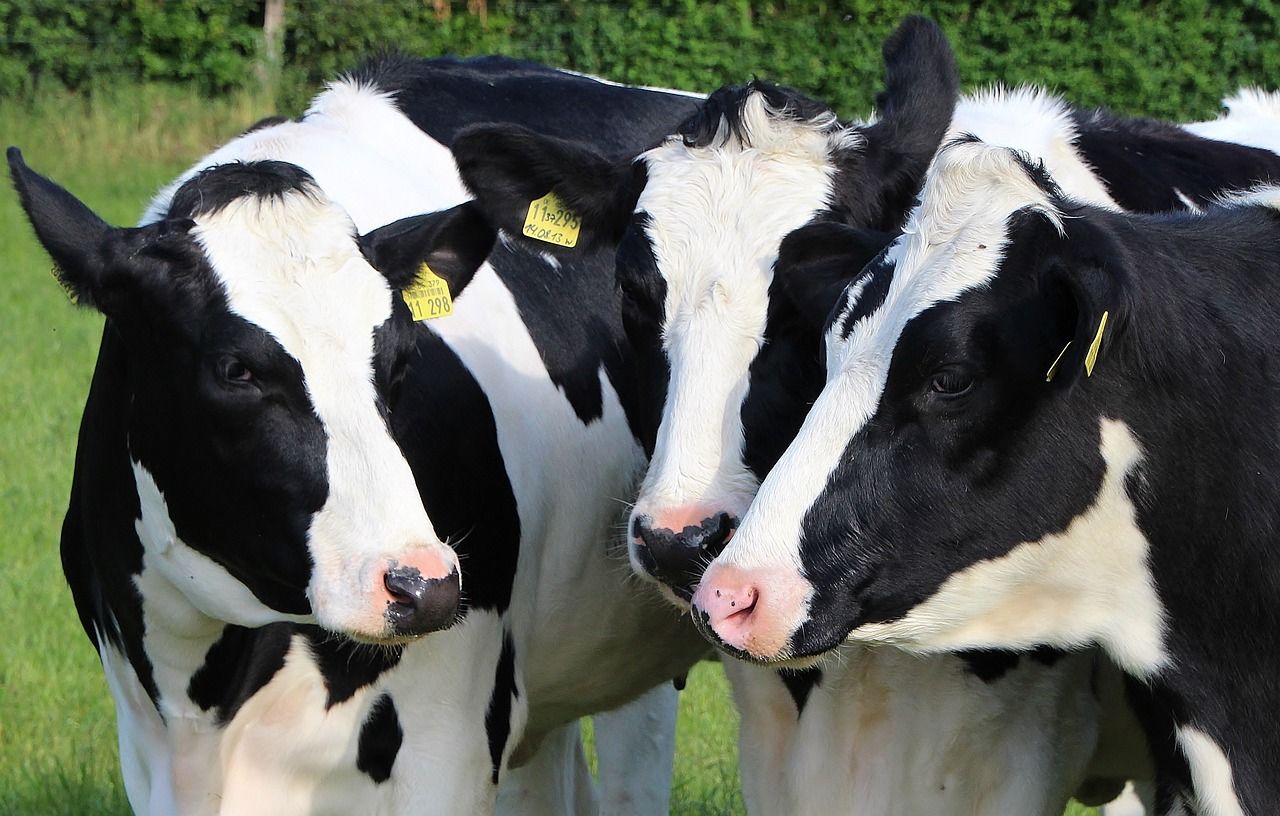
An Aarhus University study found no link between the use of Bovaer and an overall increase in cow mortality or decrease in milk yield.
Does feeding less protein to cows over a longer period not only reduce nitrogen losses, but also affect methane emissions?
Rural Life
The Environmental Protection Agency (EPA) has announced new €6.5 million funding for environmental and climate research in Ireland.
The FAO is set to issue new guidance on the potential food safety risks related to methane inhibitors and similar additives.
Over 20 experts from across Europe discussed methane reduction and efficient farming at Methane Connect in Paris this week.
The position paper was developed by the Irish sustainable farming organisation as part of its role in the Methane Matters Coalition.
Machinery
The search to replace the compression ignition, or diesel engine, has been going on for many years now, but so far with little success
B+LNZ is leading a call by global agricultural organisations for countries to take a split-gas approach when reporting GHG emissions.
The Danish government is making efforts to push for emissions pricing on methane from livestock across the EU in line with its own tax.
Agri-Business
The New Zealand government has decided to lower its 2050 target for reductions in biogenic methane emissions.
Researchers are hopeful that dilute methane emissions from dairy barns can be effectively...
A new study led by University of Galway has found that proposed Irish climate targets "protect...
Carbery and Climate KIC, will trial "next-generation methane-reducing technologies" on 10 additional dairy farms in West Cork.
The Sustain Sheep Project is currently seeking farmers’ views to assess their awareness of the genetic tools to help reduce methane emissions
New Zealand and Ireland are close allies, with both countries taking similar approaches to reducing methane emissions from agriculture.
With the threat of global warming increasing, research around GHG and in particular methane, is becoming more and more important.
Scientists and breeders have joined forces on a new $27.4 million 'Global Methane Genetics Initiative' to breed low-methane livestock
New Zealand farmers are on track to meet the biogenic methane emissions reduction target by 2030, Agriculture Minister Todd McClay said.