'Shrinking' CAP won't deliver generational renewal and gender equality
A proposed reduction to the next Common Agricultural Policy (CAP) budget will not help address generational renewal or gender equality in farming.
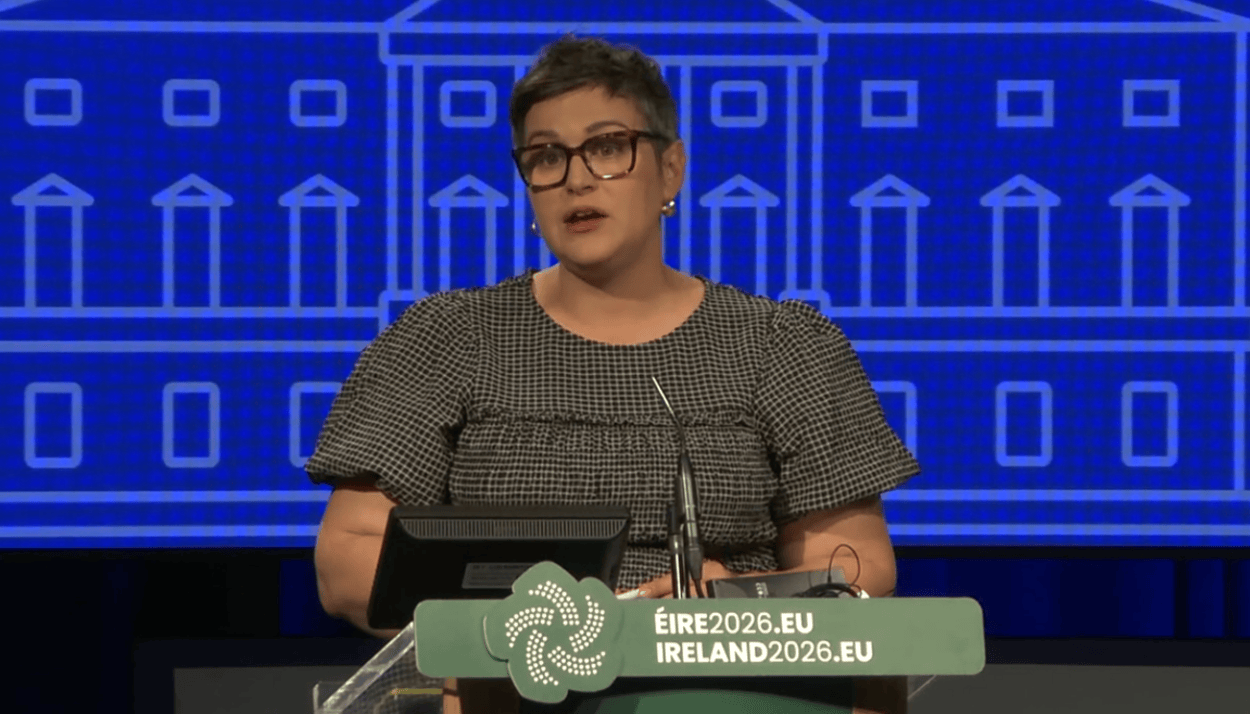
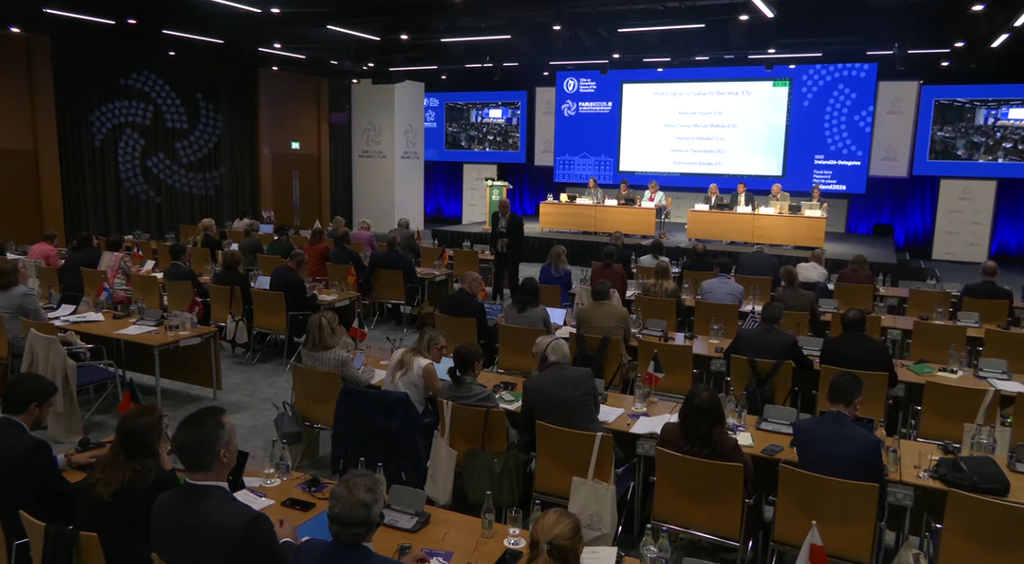
That was the message from Irish MEP Maria Walsh who was addressing the Interparliamentary Conference on Securing the Future of Farming in Dublin today (Monday, July 27).
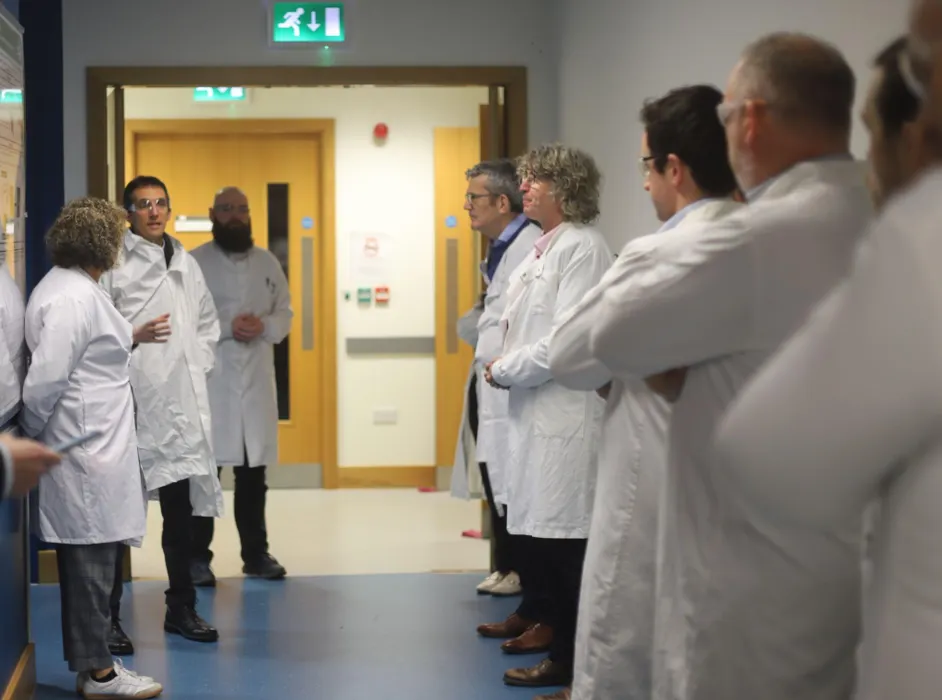
The event examining generational renewal, women in agriculture and food security is being hosted by the Joint Oireachtas Committee on Agriculture and Food as part of Ireland’s Presidency of the Council of the European Union.
The six-month presidency comes at a crucial time as negotiations intensify on the next EU long-term budget, known as the Multi-Annual Financial Framework (MFF), and CAP post-2027.
CAP
MEP Walsh, who is a member of the EU Parliament's AGRI committee, told the conference:
"A proposal, in my perspective, to collapse the CAP's two pillars into a single fund and reported cuts of a fifth to the ring-fenced agriculture budget, threaten to undermine the ambition of what we're setting out in the next CAP.
"You cannot deliver generation renewal or gender equality in agriculture on a shrinking budget.
"That is a red line for us in parliament, and I'd say that across each political grouping, from left to right," she said.
"This matters because agriculture policy, for its own sake, if you take in the backdrop of an ageing farming population without successors leads to land abandonment, farm consolidation into fewer hands, and a narrowing of productive base that feeds this continent.
"Equally, I'm terrified that we end up like middle America, large conglomerates creating big farm practices, taking away the real DNA and identity that we have in our own member state, like Ireland and many others, of farm families and growing farm cooperatives," she added.
The Midlands–North-West MEP said that voluntary gender mainstreaming under the current CAP has produced uneven results across the 27 member states.
"The next CAP needs binding and measurable targets, not just encouraging or flowery language. That era has to be done and gone," she said.
MEP Walsh told the conference that around 32% of EU farms are managed by women.
However, as CAP payments are calculated mostly per hectare, and women have less land, she said they receive less than 15% of income support.
The EU Parliament AGRI Committee has tabled numerous amendments to the European Commission proposals, including that 10% of the total CAP budget be ring-fenced for generation renewal.
Many of those who spoke from the floor echoed concerns about the next CAP budget and the need for policies to support women farmers and give confidence to the new entrants.
Budget
Esther de Lange, head of the Cabinet of EU Commissioner for Agriculture Christophe Hansen, outlined the pressures facing the next overall MFF including what member states are willing to contribute.
“The proposal of the European Commission does do agriculture justice in the sense that no other policy has a ring-fencing of €300 billion for the next seven-year period,” she said.
She stressed that this ringfenced CAP money can only go towards agricultural measures.
“If you look at the total amount of budget available for the national plans, what you call the single fund, it is at least what member states have at the moment; in several member states it is considerably more.
"There is free space on top of this €300 billion that is ring-fenced that allows member states to make the adequate choices that suit their rural and agricultural development," she added.
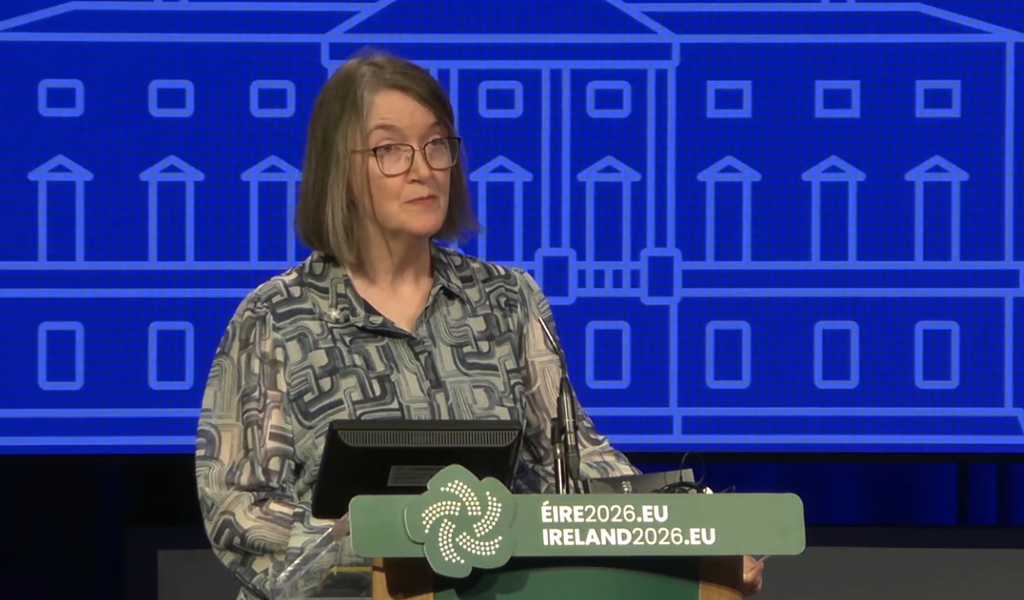
Sinead McPhillips, secretary general at the Department of Agriculture, Food and the Marine (DAFM), said that women represent 34% of farm workers in Ireland, but only 13% of farm owners or managers.
She added that young farmers under 35 make up only 4.3% of the farming population in Ireland, compared to an EU average of 5.6%.
She noted that the Irish government has implemented measures to support women and young farmers, including targeted funding and education programmes.
"Ireland's current CAP strategic plan clearly signals our commitment to generational renewal and gender equality.
"Policies alone are not enough and real progress will require cultural change, stronger representation and leadership, equal opportunity and continued support for women and young farmers at every stage of their journey," she told the conference.
McPhillps said that progressing negotiations on the next CAP, "is a priority for Ireland during our presidency of the EU".
"We could spend the rest of the day talking about what an adequate budget for CAP is and how it's structured, but I think what's really important is to take those conversations out of the agri-food community talking to each other and elevate that within each member state as a political priority," she said.