Milk cheques set to shrink as production falls back

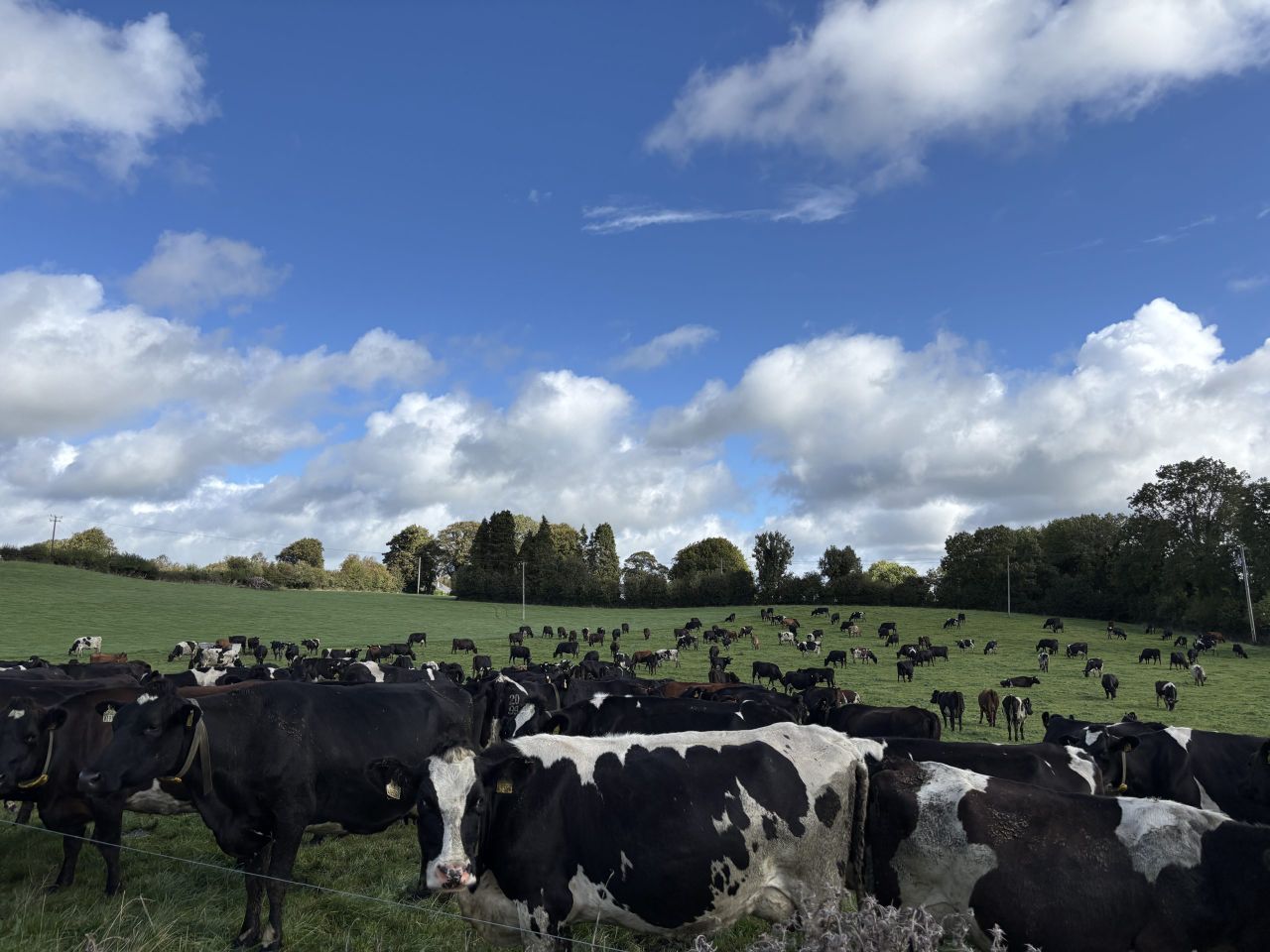
Milk production inevitably begins to drop off in the second half of the year, but maintaining it for as long as possible is crucial for the profitability of the farm.
However, that can be easier said then done, especially in drought conditions like these.
As of Friday (July 24), average daily milk production had already dropped by 1.58kg/milk since the start of July, according to the Irish Cattle Breeding Federation (ICBF).
Meanwhile, average daily milk solids had dropped by 0.11kg, all while the average somatic cell count levels rose by 17,000 cells/ml.
This ultimately leads to milk cheques falling back too, which is far from ideal as feed costs rise.
Milk recording
Farms should be considering milk recording once again here at the mid-season mark, going in with an attitude that recording is an investment rather than a cost.
Recording in the mid-season, even amidst a drought, provides numerous benefits and data that can help drive informed decision making.
Ideally, farms should be milk recording four to six times a year to have adequate information on the herd.
Regular recording will allow for constant tracking of SCC off each cow and identify repeat offenders.
It could also help to decrease your herd’s SCC and improve your milk price, and will also generate a farm summary on mastitis control and areas to be improved.
Milk recording may also add value to surplus breeding stock being sold off farm and can increase a cow’s chances of being entered for artificial insemination (AI).
Having the records also increases the compensation available for animals that have to be culled as a result of a positive bovine tuberculosis (TB) reaction.
Data from milk recording will also identify the best and worst performers, helping you to reduce the number of passengers.
According to ICBF, 1,099,369 cows from 8,814 herds have been recorded so far in 2026.
National average
Once milk recording is complete, farmers should be comparing their results to the national average to see if improvements can be made.
| Average milk kg/cow | Average fat % | Average protein % | Average milk solids kg | Average SCC |
|---|---|---|---|---|
| 22.56 | 3.99 | 3.5 | 1.68 | 179 |
Increasing milk production at this time of the year will be very difficult, but it is worth noting what improvements can be made ahead of next year.
One improvement which can be made this year is cell counts, which have been creeping up over the last few weeks.
An average SCC of 179,000 cells/ml is on the high side, and climbing well away from the target of sub-100,000 cells/ml.
According to ICBF, of the 111,216 cows recorded in the 10 days leading up to Friday, July 24, the top 20% had an average SCC of 107,000 cells/ml, while the top 40% creeped up to 152,000 cells/ml.
Meanwhile, the bottom 40% had an average SCC of 212,000 cells/ml, while the bottom 20% faced real issues with average cell counts hitting 304,000 cells/ml.