Labour efficiency at heart of calf rearing on demo farm

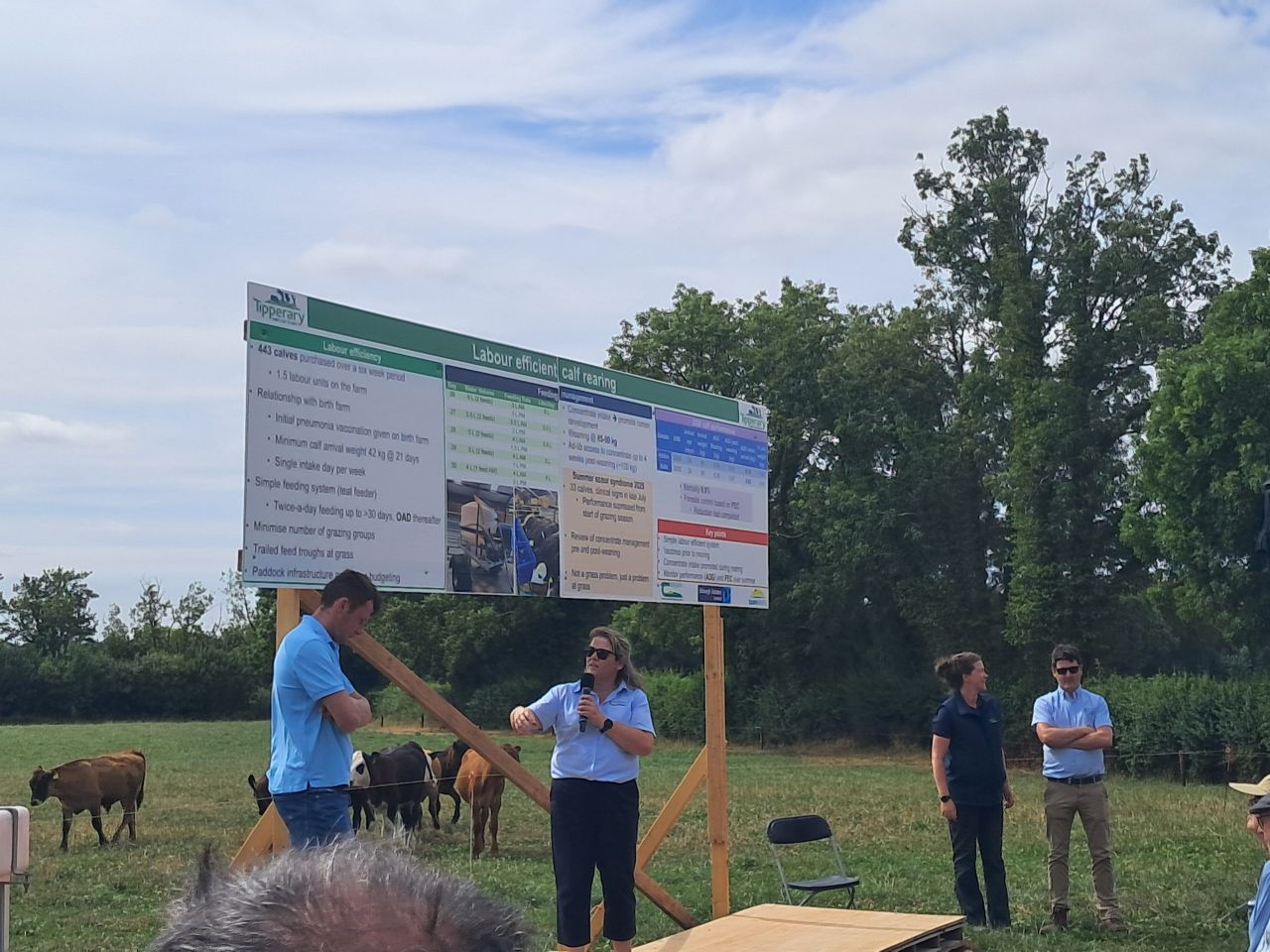
As Ballyvadin Beef Farm Ltd in Fethard, Co. Tipperary purchased in 443 calves over a six-week period, with only 1.5 labour units on the farm, efficiency was key to ensuring the operation ran successfully and remained viable in the long-run.
This was one of the key messages at the Tipperary dairy calf-to-beef demonstration farm open day on Wednesday (July 22).
The farm is the result of a collaboration by Teagasc, Dawn Meats and Shinagh Estates and has been operating since 2022, with its first batch of calves purchased in 2023.
According to the information presented on the day, to optimise labour efficiency, the demo-farm approached milk feeding with a rigid structure where calves were fed twice a day until 30 days-of-age, then moving to a once-a-day feed.
This process saw litres drop from 6L to 4L over five days.
| Days-of-age | Feeding rate | Feed (litres/day) |
|---|---|---|
| 26 | 3L-a.m 3L-p.m | 6.0 |
| 27 | 3.5L-a.m 2L-p.m | 5.5 |
| 28 | 4L-a.m 1.5L-p.m | 5.5 |
| 29 | 4L-a.m 1L-p.m | 5.0 |
| 30 | 4L-a.m 0L-p.m | 4.0 |
Labour efficiency is also maximised post weaning, where the farm tries to minimise the number of grazing groups, utilises trailed feed troughs, and optimises paddock layout for calf grazing.
Weaning is carries out at 85-90kg calf weight, with the calves receiving ad-lib concentrates up to four weeks post-weaning. The calves typically reach 120kg by the time concentrates are removed.
The calves are held indoors for 10-14 days post-weaning, to ensure the rumen developed enough to optimise grass utilisation.
They receive an 18% crude protein ration during the weaning period before transitioning to a 16% crude protein meal for the post-weaning indoor period.
Mortality on farm for calves is 0.9% with faecal egg counts used to monitor and design a parasite control plan.
As calves receive vaccinations (pneumonia) pre-movement, disease transmission within the farm is reduced and thus mortality risk decreases.
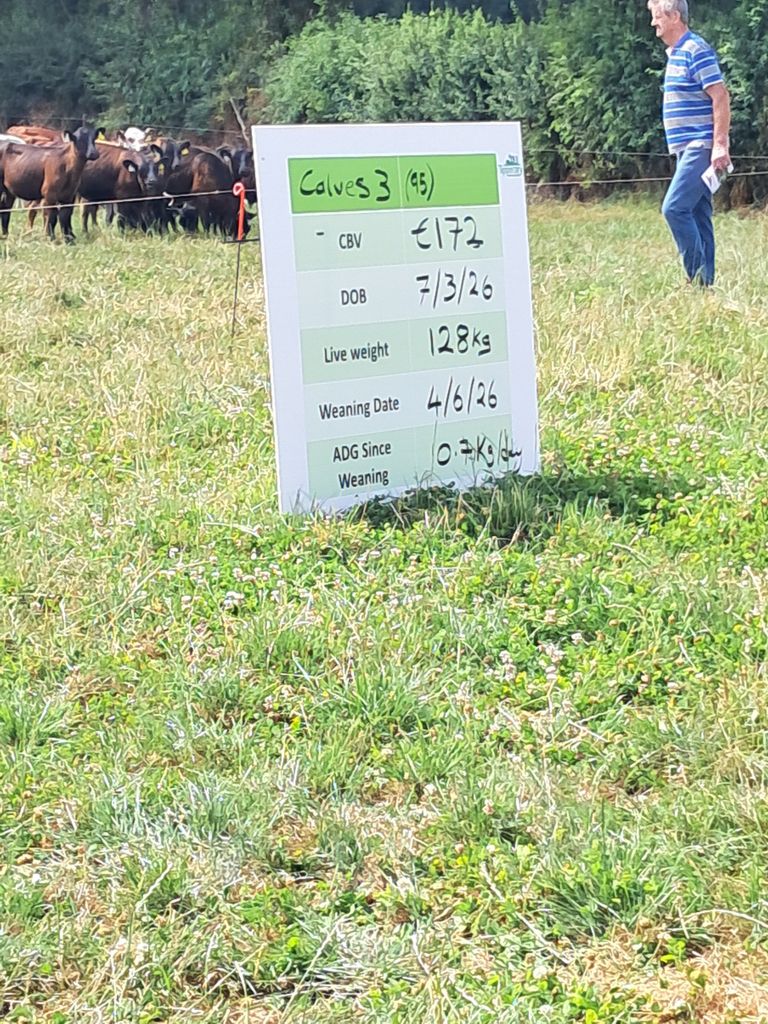
The Ballyvadin demo farm monitors performance through average daily gain (ADG).
Heifer calves during rearing saw an ADG of 0.76kg/day, compared to 0.78kg/day for bull calves.
Post-weaning, heifer calves saw an ADG of 0.81kg/day, with an average weight of 134kg/calf on July 10.
Post-weaning, bull calves saw an ADG of 0.87kg/day, resulting in a July 10 average weight of 141kg/calf.
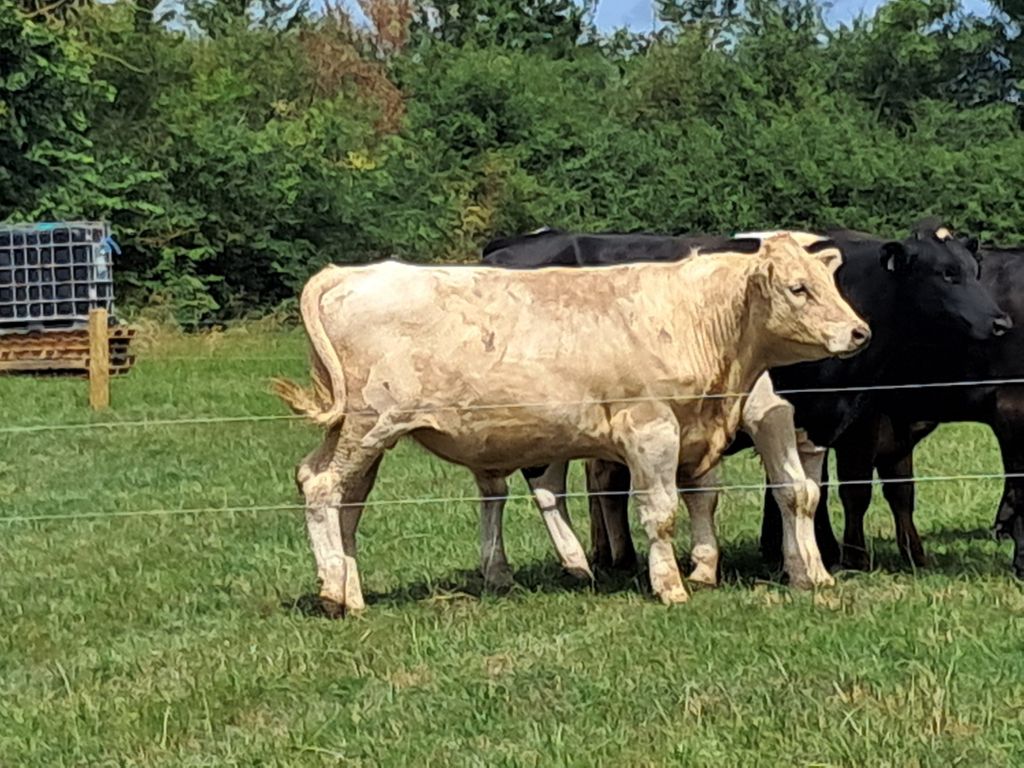
July 2025 saw 33 calves show clinical signs of summer scour syndrome.
The Ballyvadin farm reviewed the concentrate plan pre- and post-weaning, concluding that it was not a grass problem but rather a problem at grass.
Farm manager Jack Spillane outlined how calves that were seeing ADGs of 0.6 and lower were most likely to attract the scour. This indicates that regular weighing can act as a preventative measure.
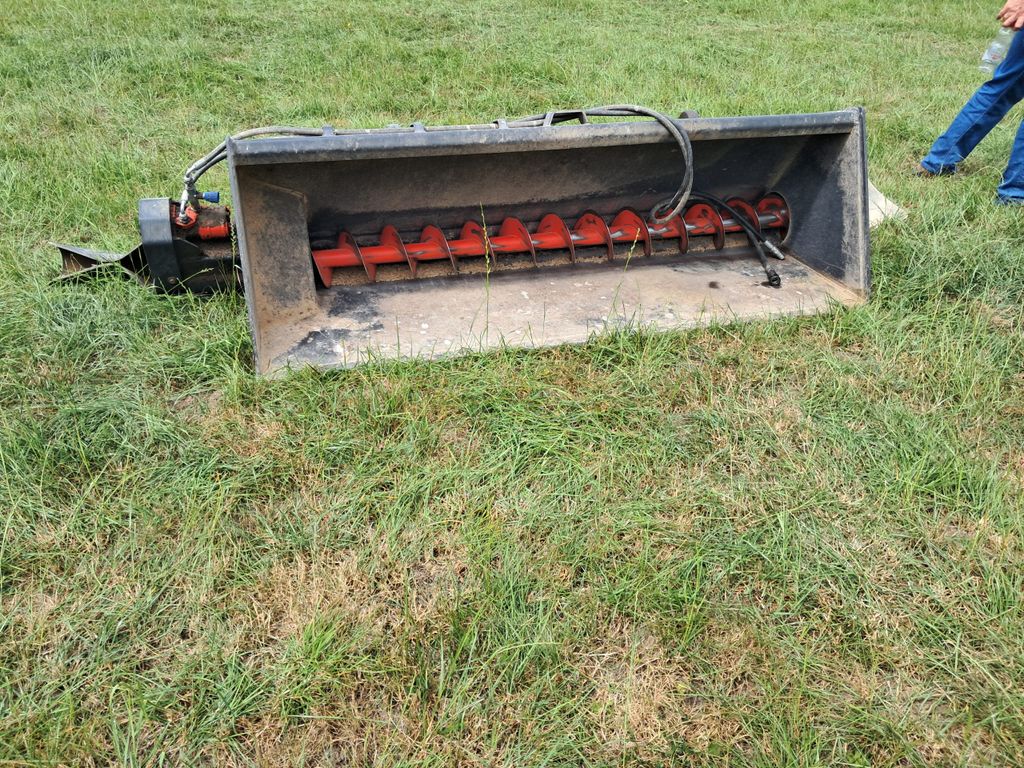
The calves are ran in large groups of up to 150 calves to reduce the workload, with cattle fed using a unique bucket feeder.
Steers and heifers are not separated at any stage on the farm, to avoid the labour in splitting them apart.
The key take-aways from the open day are that a simple labour efficient system is crucial, and that concentrates intake during rearing is promoted.
In addition, by monitoring ADG and faecal egg count, farmers can act early to reduce potential impacts of parasites or disease on calf performance.