What role does protein play in summer scour syndrome?

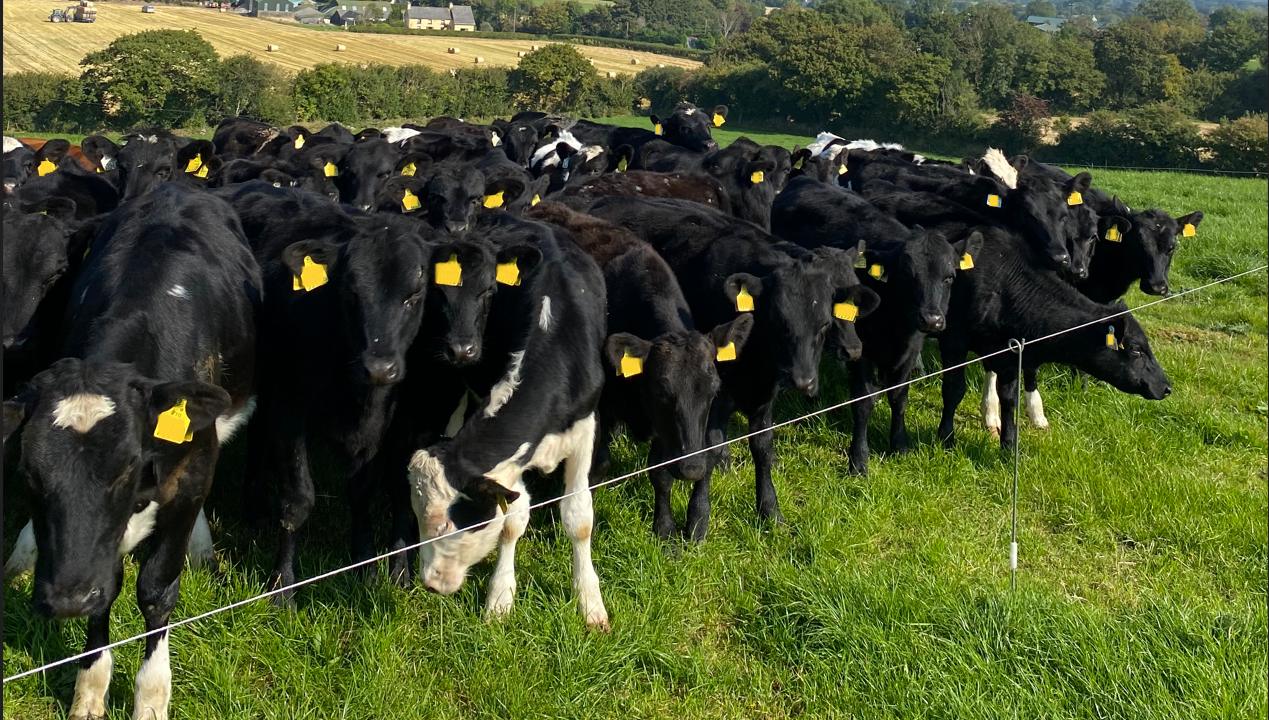
The crude protein rate in grass had no impact on calves developing summer scour syndrome, according to the latest Teagasc research trial.
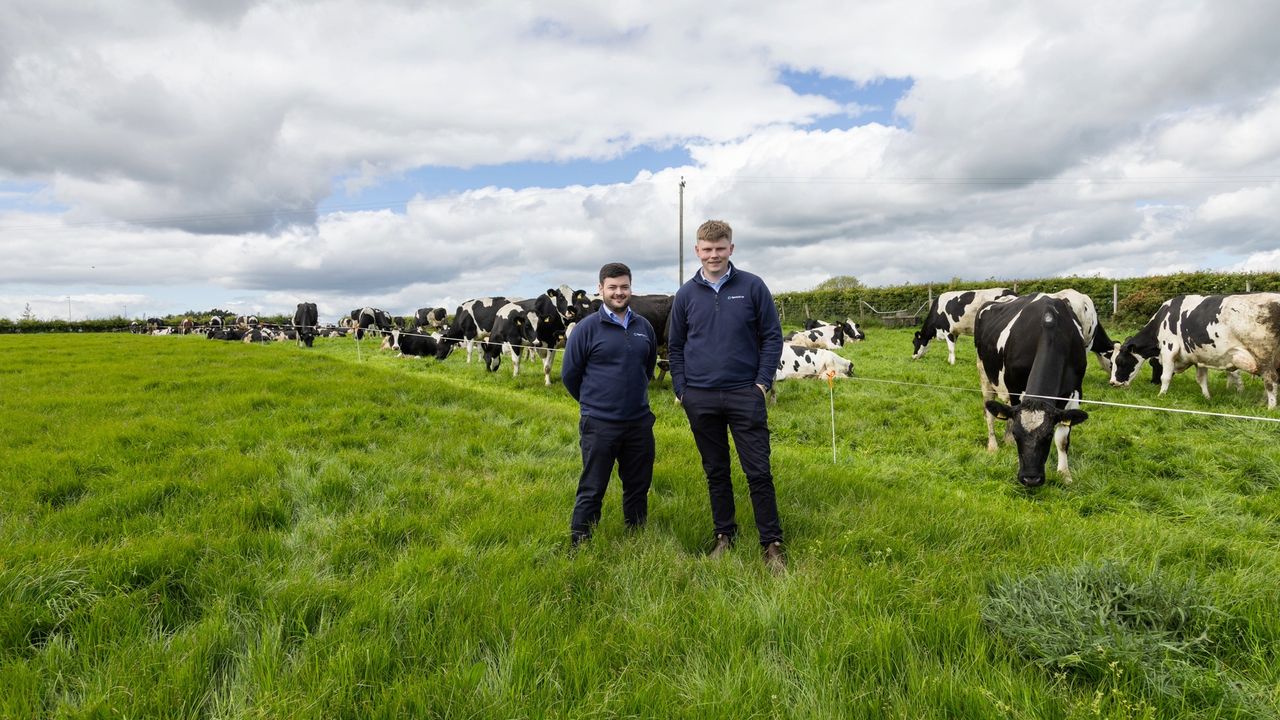
Agriland spoke to researcher Rischi Robinson, who outlined the trial's goal and the results from the first batches of calves.
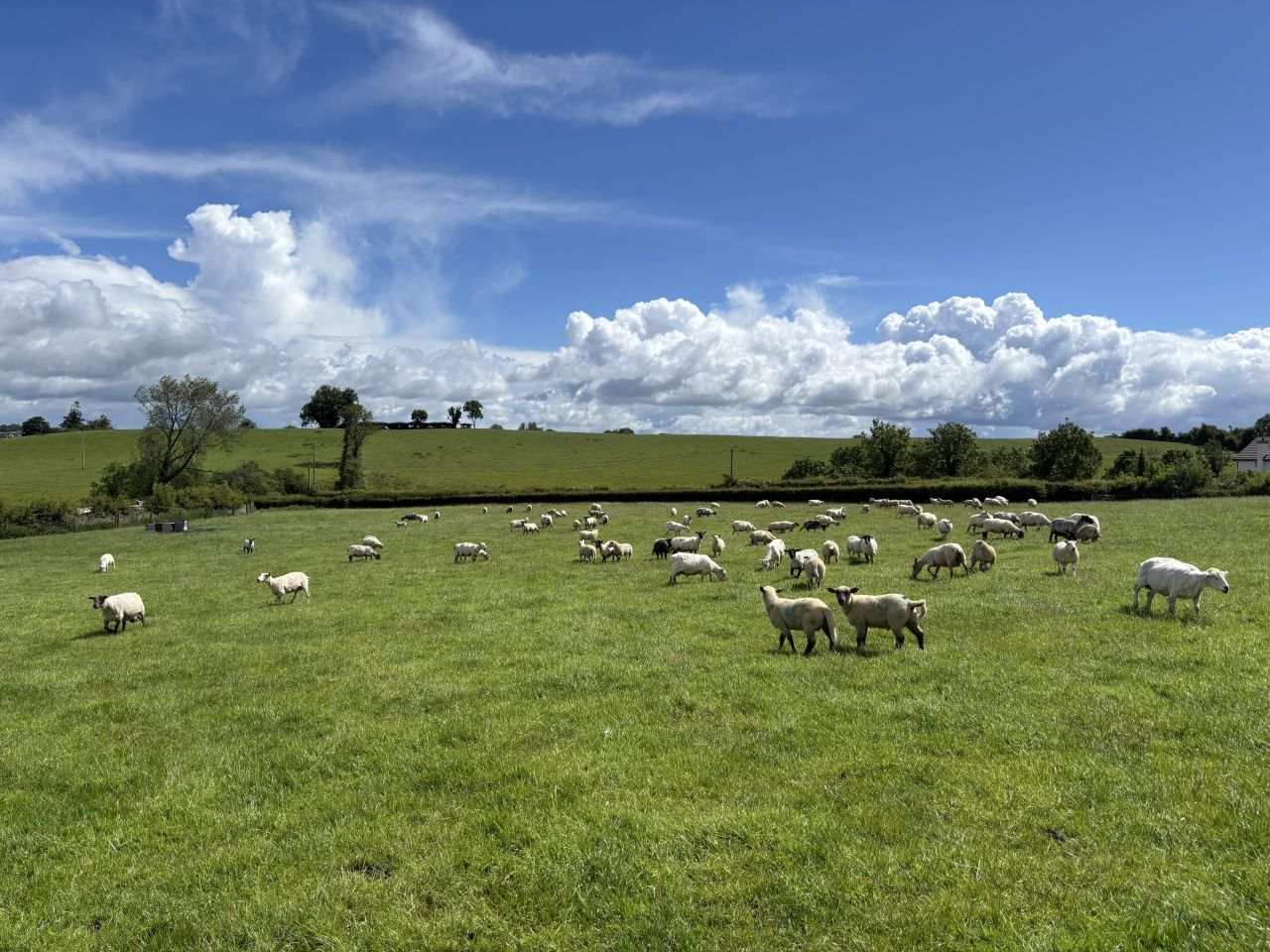
In Ireland, summer scour syndrome is typically seen where calves are grazing fresh, leafy grass with high crude protein content.
It affects freshly weaned dairy-bred calves and typically strikes from two to six weeks post turnout.
The condition is identified with symptoms including ill-thrift, persistent diarrhoea and weight loss.
The Teagasc trial was set up with the aim of inducing summer scour in calves grazing these fresh, leafy pastures to prove causation.
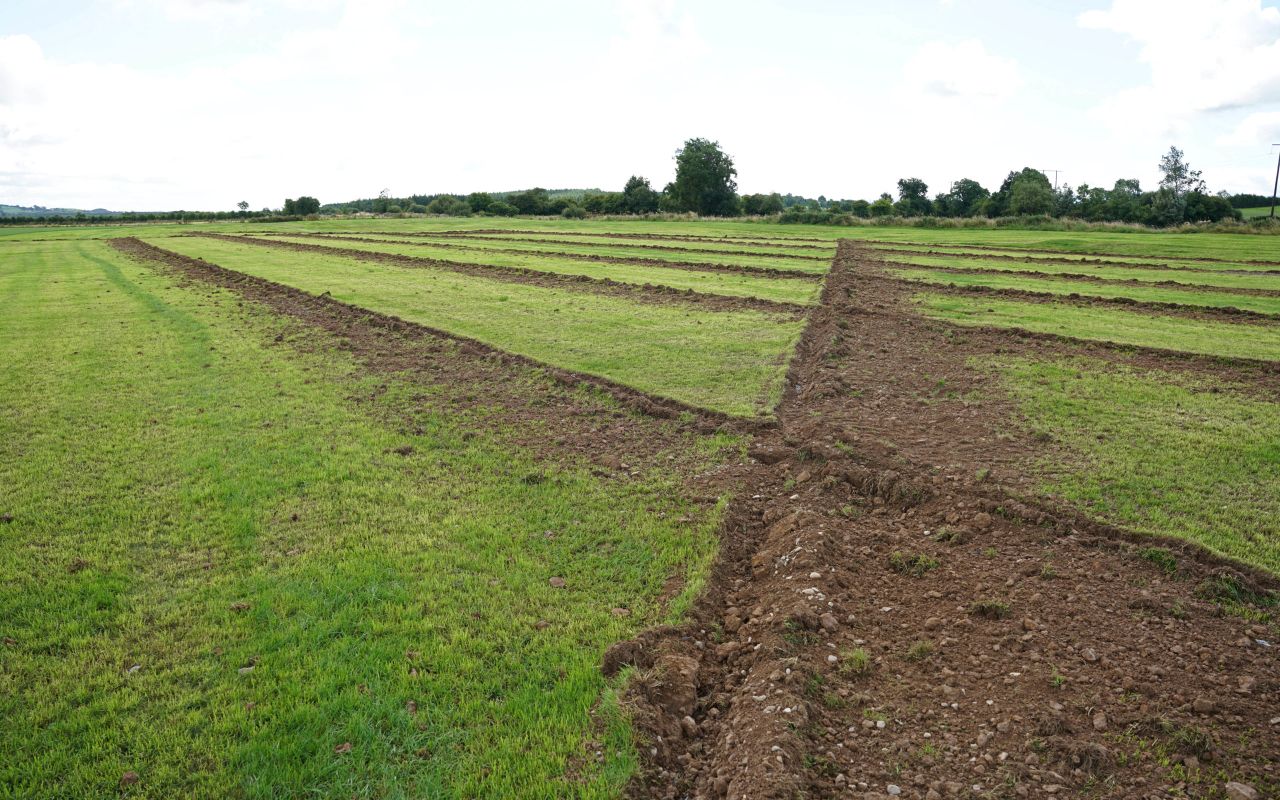
In order to determine the protein impact, three paddocks were spread with different rates of nitrogen fertiliser (Calcium Ammonium Nitrate) 14 days prior to grazing to influence the crude protein level of grass:
- 15kg N/ha/rotation;
- 60kg N/ha/rotation;
- 120kg N/ha/rotation.
The trial used 54 Angus/Holstein Friesian cross calves purchased from commercial farms and weaned at the 10-week stage over a 10-day period.
They were then kept indoors on an ad-lib diet of hay and water. They received up to 3kg of concentrates for three weeks post weaning, before turning out.
When turned out, the calves received 1kg concentrates, gradually reduced to zero during the first week to mitigate disruption to the diet.
The calves were monitored over 41 days, followed by a 112 day follow-up period to monitor any potential long-term effects.
Faecal, rumen and urine samples were taken to monitor the calves internal ammonia levels.
The findings from the research are outlined in the table below:
| Treatment : | Low N sward | Moderate N sward | High N sward |
|---|---|---|---|
| Grass dry matter (DM) (g/kg) | 181 | 160 | 151 |
| Grass crude protein (g/kg DM) | 196 | 227 | 261 |
| Rumen pH | 6.79 | 6.77 | 6.88 |
| Ammonia (mg/L) | 20.9 | 54.6 | 73.2 |
| Loose faeces proportion (%) | 4.7 | 10.2 | 29 |
The trial found that none of the calves developed summer scour syndrome.
Though the high N calves had "looser dung", the level was not sufficient to cause concern.
Robinson was quick to point that despite the trial results, this was not proof of no definite link.
Instead, he pointed to the weaning process before going to pasture and suggested the calves' better ability to handle high crude protein grass was the main reason for not developing summer scour.
He also stressed the advantages of having weanlings in high health condition when they move to grass.