RGFI warns 'government inaction' risks 2030 biomethane targets


Ireland’s biomethane targets for 2030 could be derailed by "government inaction", Renewable Gas Forum Ireland (RGFI) has warned.
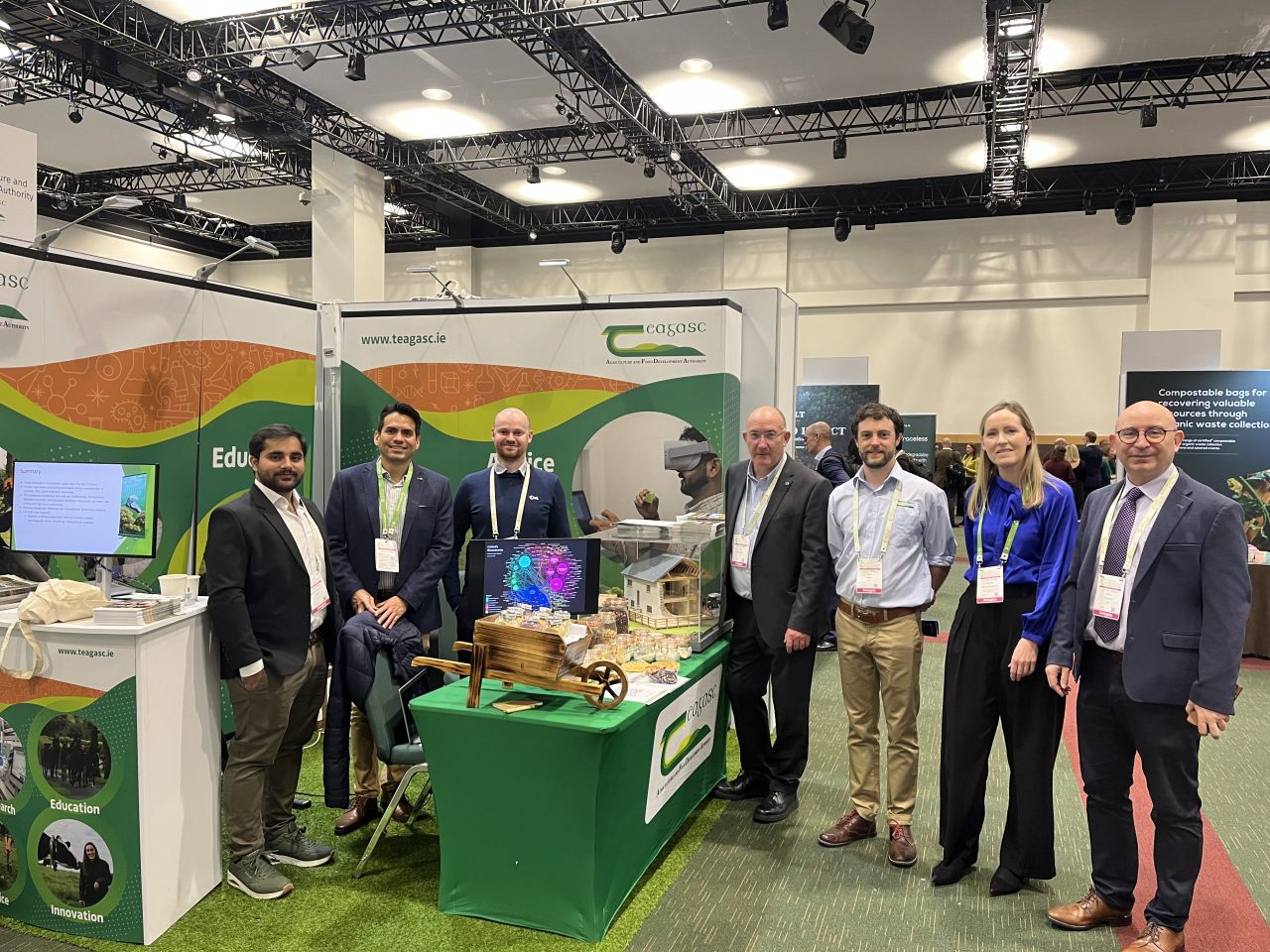
Industry members voiced their frustration at the pace of government delivery and the knock-on impact on investment at a RGFI meeting in Dublin on Monday (October 19).
The meeting heard that Irish competitiveness is being undermined by prolonged uncertainty over the Renewable Heat Obligation (RHO), along with issues around planning, permits and grid connections.
Industry representatives said this is delaying projects and in turn putting Ireland's biomethane ambitions at risk.
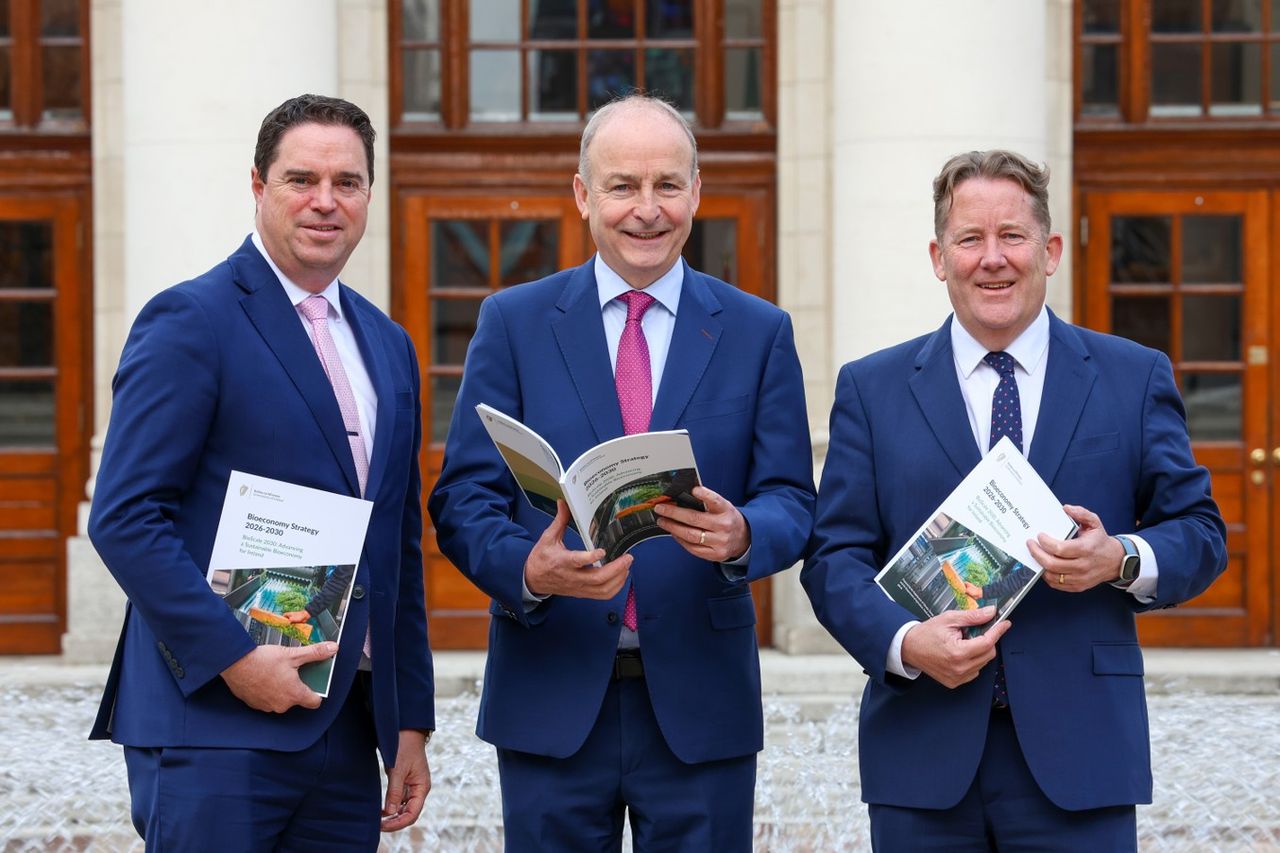
Taoiseach Micheál Martin reaffirmed the government’s ambition to produce 5.7 TWh of biomethane by 2030 while opening Gas Networks Ireland’s €32 million central grid injection facility in Mitchelstown this month.
Biomethane
Delegates called for the government to communicate a clear long-term role for biomethane in Ireland’s energy system.
The National Biomethane Strategy committed to a communications strategy and an online information hub by the third quarter of 2024.
A government information page has been established, but RGFI wants clarity on progress towards the wider communications programme and expanded hub.
The meeting identified the following three immediate priorities:
- Finalise the RHO and resource implementation, with clear responsibility, milestones and a credible route to achieving the 2030 biomethane target;
- Coordinate planning, permitting and gas grid connections so projects can move from investment decisions to operation;
- Implement promised communications measures, explain costs and benefits, address concerns and demonstrate the opportunities for farming, communities and industry.
Chief executive of RGFI, Nick Bennett said there was "considerable frustration in the room" during the meeting.
"Industry has been waiting years for the Renewable Heat Obligation, yet developers and investors still lack the certainty they need to proceed.
"With just over four years to 2030, further delay puts delivery of Ireland’s ambition in serious jeopardy.
"Capital support is welcome, but it cannot substitute for a functioning market.
"Government must provide a clear timetable and escalation for the RHO and explain how the measures being brought forward will deliver the scale of production required," he said.
Agriculture
The meeting also heard that the opportunities for the sector extend beyond renewable gas.
Delegates noted that developing markets for digestates and biogenic carbon dioxide can support nutrient recovery, indigenous fertiliser production and additional revenue streams.
"This is also a question of long-term energy security," Marie Donnelly, former chair of the Climate Change Advisory Council, said.
"Ireland has substantial agricultural resources and organic waste streams that can support indigenous energy production.
"Biomethane has a role in industrial heat, heavy transport and backup electricity generation.
"That role needs to be clearly recognised in our strategic energy planning, with policies and infrastructure for that investment."
She explained that other European countries are developing biomethane as part of their energy, agricultural and industrial strategies.
"Ireland needs to show the same determination to turn its resources into a secure domestic supply," Donnelly said.