'Reconnecting people with farming is part of learning to value food'

The better people understand what goes into producing food, the more likely they are to value it, the recent Listowel Food Fair heard.
James O'Connell, group secretary and director of agribusiness and sustainability at Kinisla, made the comments while addressing the Farming Seminar held as part of the event.
Listowel Food Fair began in 1995 as a way to showcase the quality and variety of food produced in Kerry and across Ireland.
O'Connell said one of the things the event does best is allows people to taste a product and talk to the person who made it.
"You can ask where it came from and how it was produced. And when you hear the answer, you often come away with a different appreciation of what's on your plate," he said.
Food
O'Connell said that although food is fundamental to our daily lives, "it's easy to take it for granted when it's always on the shelf".
"We see the price of food every time we shop. We rarely see the months of work, the skill or the decisions that went into producing it," he said.
He added that for many people the direct connection back to farming is now several generations ago.
"That's why reconnecting people with farming is part of learning to value food again.
"There is great value in something as straightforward as taking a group of children onto a farm.
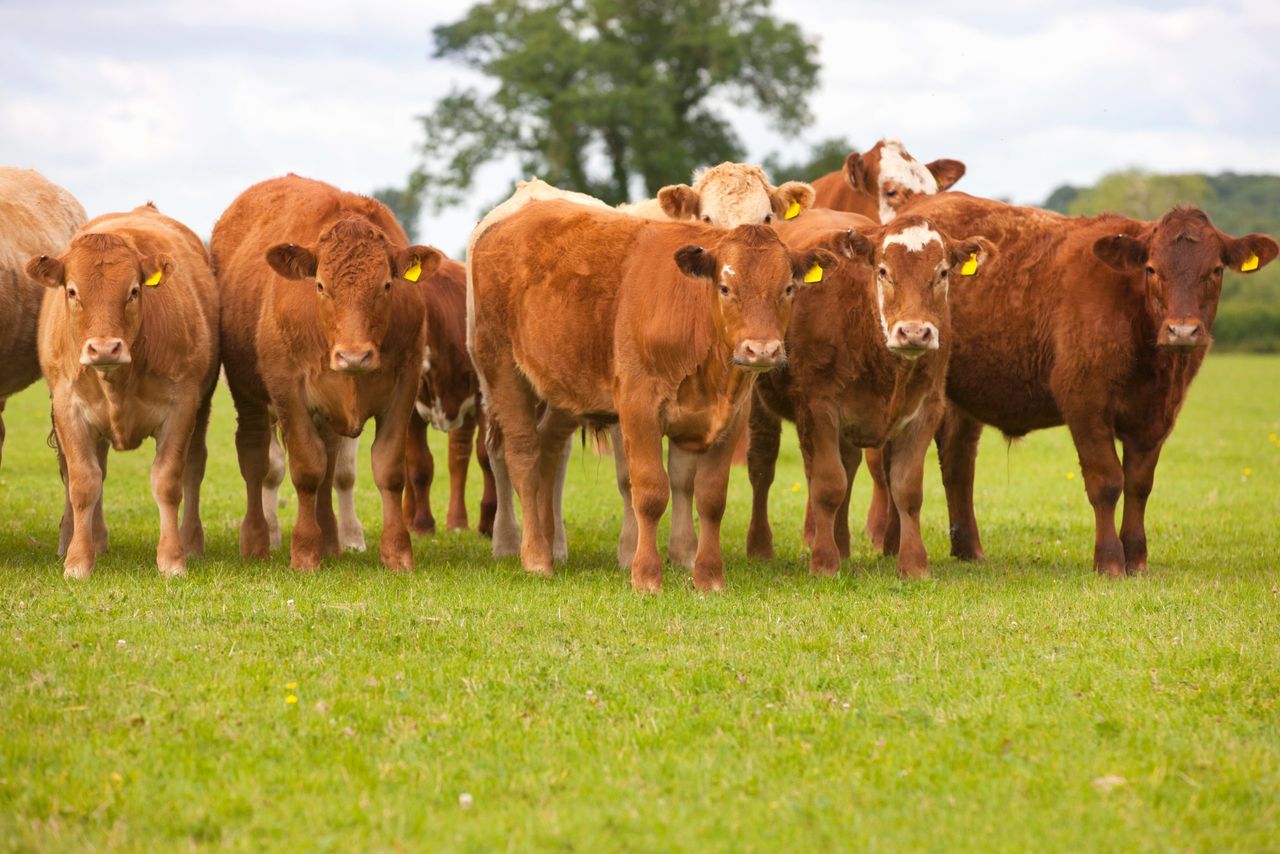
"Let them see what the cow eats, where the milk goes and what happens when the weather turns.
"The next time they pour a glass of milk, they'll have a better idea of what it took to put it there," O'Connell said.
Sustainability
O'Connell said that much of the work that makes milk more sustainable takes place before the milk tanker arrives at Kinisla's factories.
He added that sustainability is rooted in decisions made on the farm, including breeding, feeding and grassland management.
He said these decisions affect water quality, emissions and how farms can manage in difficult years.
However, he noted that such decisions must make financial sense for the farm family, adding that "economic sustainability is at the core of everything".
"The same understanding of what's possible on a working farm should inform how we make policy and regulation.
"Both should set a clear direction, and the pace of change needs to reflect what farmers can achieve with the tools, technology and proven practices available to them.
"If we expect farmers to meet new requirements, they need time and a practical way to meet it," he said.
O'Connell said the world needs "a reliable supply of safe, high-quality food produced sustainably".
"Ireland's ability to grow grass and the experience of our farming families puts us in a strong position to provide it.
"Protecting water, looking after soil and reducing emissions are part of building on those strengths and passing on viable farms to the next generation," he said.