What is the current forecast for global beef production in 2027?

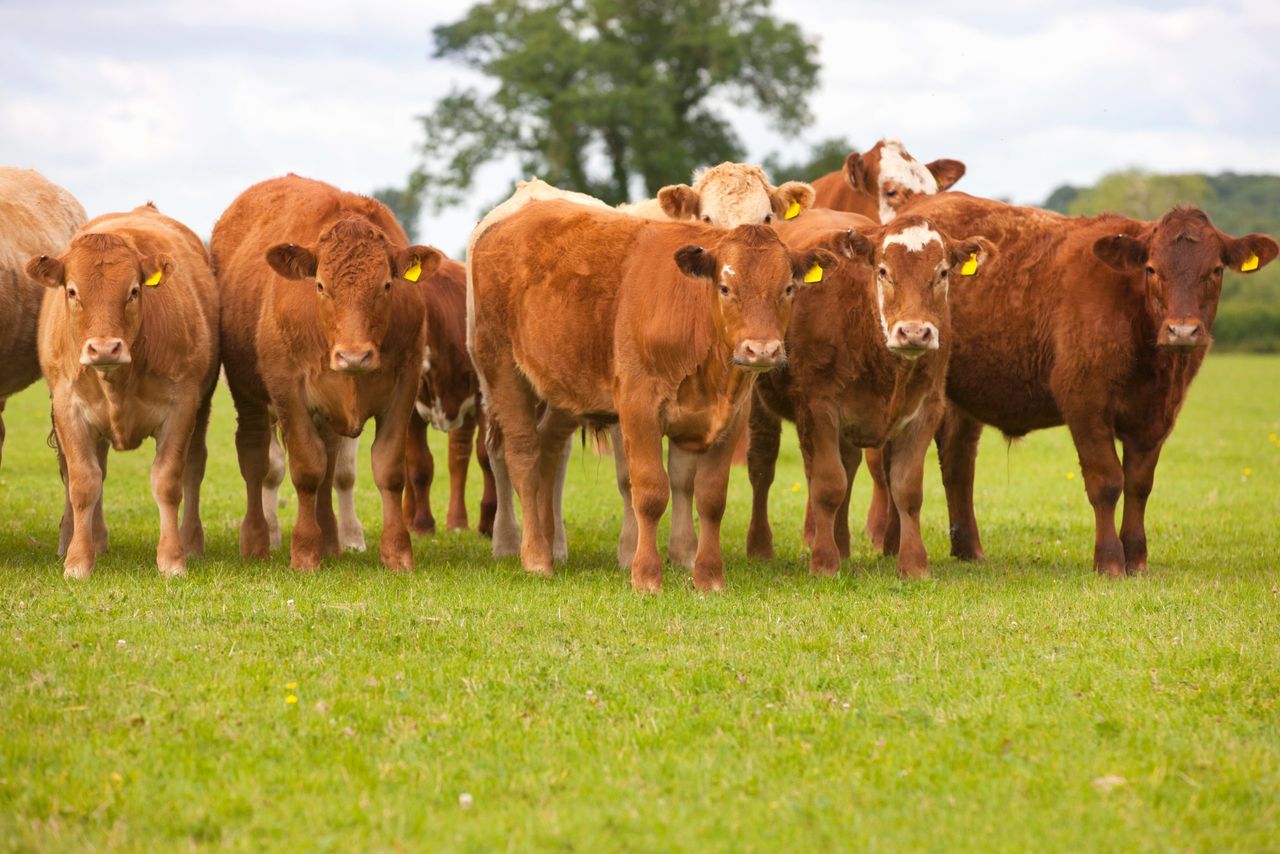
The 2027 global beef market is expected to be shaped by similar forces seen this year, including lower supplies, higher costs, margin pressure and moving trade patterns.
Rabobank’s Global Beef Quarterly Report for Q4 2026 forecasts that overall beef production is expected to decrease by 0.1% in 2027, on the back of an estimated 1.5% fall this year.
Brazil is currently expected to see beef production contract by 3%, while the EU, UK and China are all facing a 1% drop.
Production in the US is due to stay relatively flat, growing by under 1% next year.
However, Australia and New Zealand are forecast to see increases of 3.5% and 8.8% respectively.
"Declining global beef supplies may add tension to a market already, experiencing shortages in some regions and increasing cattle and beef prices.
"With limited supplies, cattle prices across most regions are expected to stay close to current high levels through 2027," the report said.
The ongoing pressure on costs will remain in 2027, with fuel prices expected to remain high as the conflict in the Middle East and the war in Ukraine continue.
Feed prices are also expected to be slightly higher in 2027, but uncertainty remains in the market.
Beef
Rabobank said that consumers’ tolerance on price will be a "big factor" in the direction of the beef markets going into next year.
Limited supplies have already pushed global beef prices to record highs in many parts of the world.
In May, the Food and Agriculture Organization (FAO) of the United Nations bovine meat index rose 17% year-on-year to its highest recorded level.
By comparison, poultry prices rose by just 3% and pork prices were back 8%.
The bank highlighted that this can lead to consumers who are facing a cost of living crisis choosing pork and poultry over beef.
Trade
Rabobank described 2026 as "one of the most protectionist years for global beef trade, with policy changes distorting trade flows".
China introduced a tariff-rate quota, with individual quotas for supplying countries, which are expected to continue to influence trade into 2027.
Earlier this year, the US announced a specific beef quotas for the UK and Argentina. While Indonesia decided to shift its beef import allocation to state enterprises.
In September, Europe suspended imports of Brazilian beef due to non-compliance with antimicrobial requirements.
Rabobank said the impact of the ban is expected to support prices, along with the typical seasonal uplift toward year-end.
Over recent years, EU beef imports have trended upwards, with volumes up 9% in August 2026, compared to the same 8-month period last year.
Rabobank said this growth is expected to slow as Brazil is "likely to remain excluded from the EU market in 2027".
The report notes that export diversification will be critical for Brazil in 2027 "as barriers reshape trade", particularly after the country reached its safeguard quota in China during Q3 this year.
"The US remains attractive for lean beef trimmings amid historically low US cattle supplies, while Mexico, Chile, Egypt, Russia, the Middle East, and Southeast Asia should gain relevance.
"However, these markets are still not large enough to fully offset prolonged disruptions in shipments to China or other key destinations,” Rabobank added.