Listen: 30 years of winter milking in Wicklow

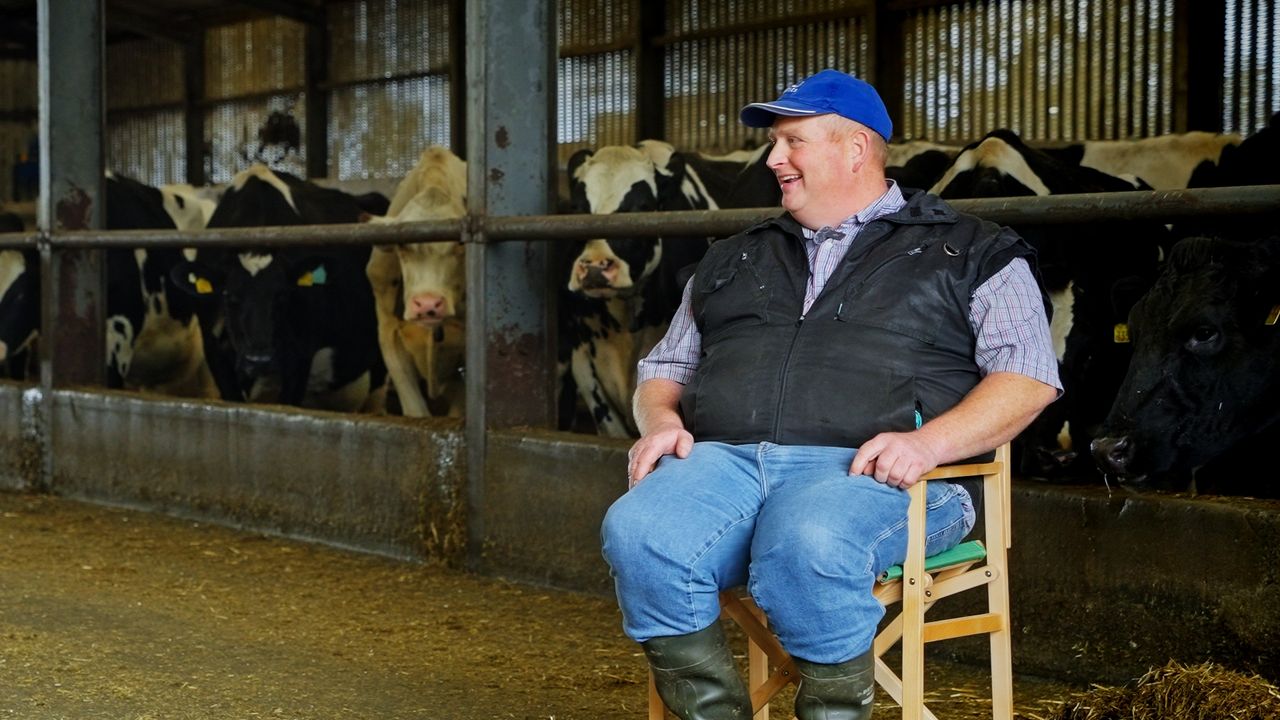
The latest farmer to feature on the new season of Agriland's limited podcast, 'The Dairy Trail', is Seamus Killoran, of Co. Wicklow.
The Killorans began farming in Killahurler back in 1958, when his father made the move from Sligo.
Killoran took over the reigns from his father 30 years ago, and has overseen vast expansion since.
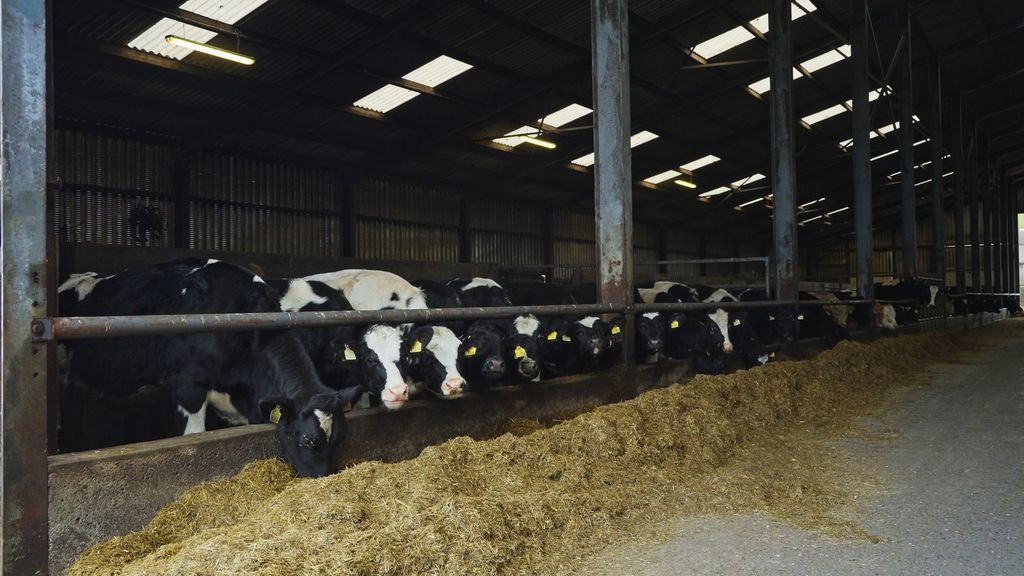
He is now milking 150 black and white cows across 300ac, averaging 560kg of milk solids/cow, which is a long way from the five cows his father started with.
Since taking over the reigns, Killoran has always operated a winter milking system, running a 60/40 calving split in favour of the spring, with about 50 cows calving down each autumn.
Winter milking
Killoran says he believes winter milking is good for cash flow, joking that is "if there was a profit in it".
A new contract has been negotiated with the local co-op, but stipulations have been tightened up.
That means that winter milkers such as Killoran, must take careful breeding decisions to ensure they do not under-supply on their contracts, as this will lead to penalties.
On the other hand, however, Killoran says you would be penalising yourself if you are breeding to a point where you are oversupplying on the contract.
This is because additional milk volumes are not subject to the 13c/L premium rate, a figure Killoran says covers costs, but there is "nothing extra in it".
"It definitely doesn't make sense producing winter milk for just the base price."
However, he notes that the national liquid milk committee is seeking a 7c/L premium from processors and retailers instead of consumers.
This premium will be aimed at covering rapidly rising costs.
Killoran also highlights the extra milk being processed from non-contract suppliers in a year like this, as farmers keep milking cows for longer to cover their bills.
He notes that this "hurts their bargaining power with contracts", but at the same time this milk can not compete with the quality from fresh autumn calvers.
Dairy trail
In the podcast, Killoran explains how calf prices are acting as a "float for dairy farmers" this year.
He also discusses which breeds he chooses, and how the sales are going this year.
"Calf price has to be sustainable, a steady price for a few years is what you want, there is no point in peaks and troughs, just get steady, let everybody make a few pound," he says.
We also hear about further challenges experienced this year, such as the effects of the hard summer drought, which resulted in his cows being fed for six full weeks during July and August.
Killoran relates how grass growth fell by 25% on last year, averaging just 8t of dry matter (DM)/ha this year.
With milk volumes steady, the costs of additional feed have been felt, such as zero grazing grass being purchased.
Fodder
Speaking about his fodder budget, he says strategies are in place to reduce reliance on silage this winter, such as feeding cows straw and beet.
In addition, Killorgan discusses the upcoming breeding season for the autumn calvers, talking us through the first year of carrying out AI himself.
Other aspects he mentions is how they are breeding "plenty of heifers" as a contingency, considering bovine tuberculosis (TB) is relatively rampant in the area.
Killoran also outlines his dry-off routine, which will be done in batches of 20 throughout December, based on scanning results.
He records individual cow's milk volume and quality six times a year, and does not tolerate high cell count cows, aiming to keep the herd below a 140,000 cells/ml threshold.
Killoran stresses the importance of good grazing infrastructure to allow cows out early in the spring, especially to allow the winter milkers to achieve their second peak.
Looking at health issues, he discusses issues such as lameness and dealing with Mortellaro disease, as well as his vaccination programme.
If you are interested in hearing more about Killoran's operation, tune into episode three of Agriland's limited podcast series 'The Dairy Trail' here on Agriland, or whichever platform you use to listen to your podcasts.
If you have already listened to the podcast, tune back in on Monday (November 16) at 5:00p.m, as we travel down to Tim and Ned O'Connel in Co. Cork to see the operation behind one of the oldest pedigree Jersey herds in Ireland.