Re-thinking the economics of potash


Recent analysis has confirmed the beneficial economics of potash within farm production systems despite the recent hike in fertiliser prices.
This assessment work was carried out by the Potash Development Association (PDA).
The fertiliser market shock of 2021-2022 affected how many growers view crop nutrition, according to the PDA.
Record energy prices, supply disruptions and geopolitical uncertainty drove unprecedented increases across nitrogen, phosphate and potash markets.
For many businesses, fertiliser has felt expensive ever since.
Nutrient values
However, when nutrient values are examined on a €/kg nutrient basis, a more nuanced picture emerges..
Between 2017 and early 2021, nitrogen, phosphate and potash all followed relatively stable trajectories.
The market shock pushed every nutrient sharply higher, with nitrogen peaking at around €2.80/kg N, phosphate approaching €2.20/kg P2O5 and potash reaching approximately €1.45/kg K2O.
While all three nutrients experienced the same disruption, their subsequent paths have been very different.
Today, nitrogen and phosphate remain well above their historic averages.
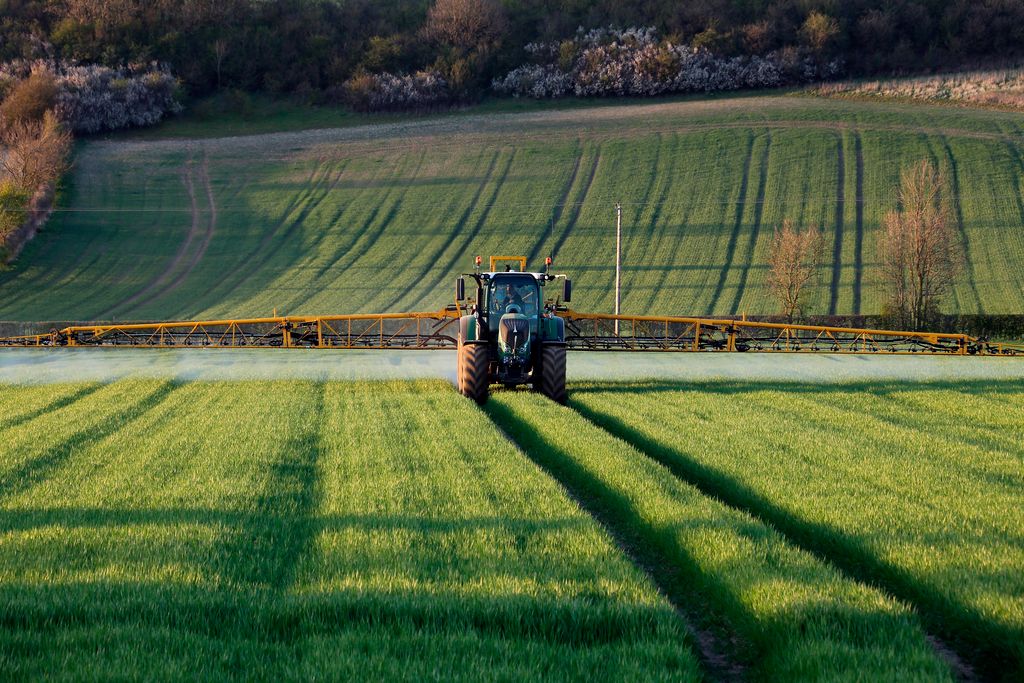
Potash, by contrast, has largely returned towards pre-crisis levels, with Muriate of Potash (MOP) currently sitting at around €0.66/kg K2O.
On a nutrient basis, potassium now appears to be one of the lowest-cost major nutrients in UK crop production.
This distinction matters because many nutrient purchasing decisions remain influenced by memories of 2022 rather than current economics.
Growers often view fertilisers as a single cost category, yet the current data suggests potassium deserves to be considered separately.
Potassium’s role in nutrient efficiency
The economic case for potash goes beyond its own cost.
Potassium is often viewed simply as a yield-supporting nutrient, but it also plays a critical role in helping crops make efficient use of applied nitrogen and resist stress.
Nitrogen uptake, transport, and utilisation all depend on physiological processes that are heavily influenced by potassium status.
Nitrate uptake requires active transport within plant roots, while movement of water, nutrients and assimilates throughout the plant depends on potassium’s role in osmotic regulation and cell function.
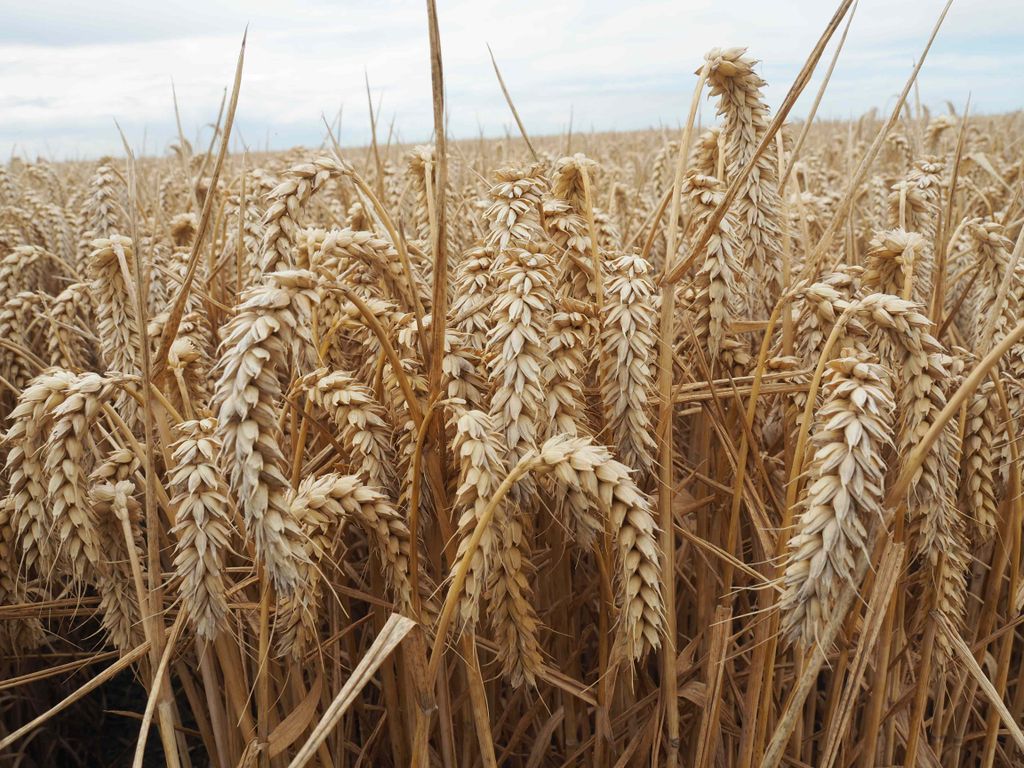
Potassium also activates numerous enzyme systems involved in photosynthesis, nitrogen metabolism, and protein synthesis.
In simple terms, nitrogen helps build yield potential, while potassium helps the crop realise that potential efficiently.
Where potassium becomes limiting, the return from applied nitrogen can be reduced.
As nitrogen remains one of the most expensive nutrients within the fertiliser programme, maintaining adequate potassium status becomes increasingly important from both an agronomic and economic perspective.
Avoiding a false economy
According to the PDA, periods of financial pressure inevitably encourage scrutiny of fertiliser expenditure.
However, reducing potash applications simply because fertiliser feels expensive can be a false economy.
The starting point should always be soil fertility, crop requirement and expected response.

Potassium decisions should be based on soil analysis and nutrient planning rather than assumptions about fertiliser costs.
This is especially as the current market position presents an interesting contrast.
While nitrogen and phosphate continue to trade above historic norms, potash has largely returned towards its long-term average value.
As a result, potassium currently offers some of the strongest nutrient value within many arable/tillage nutrition programmes.