New EU directive to ease emissions control for pig, poultry farmers
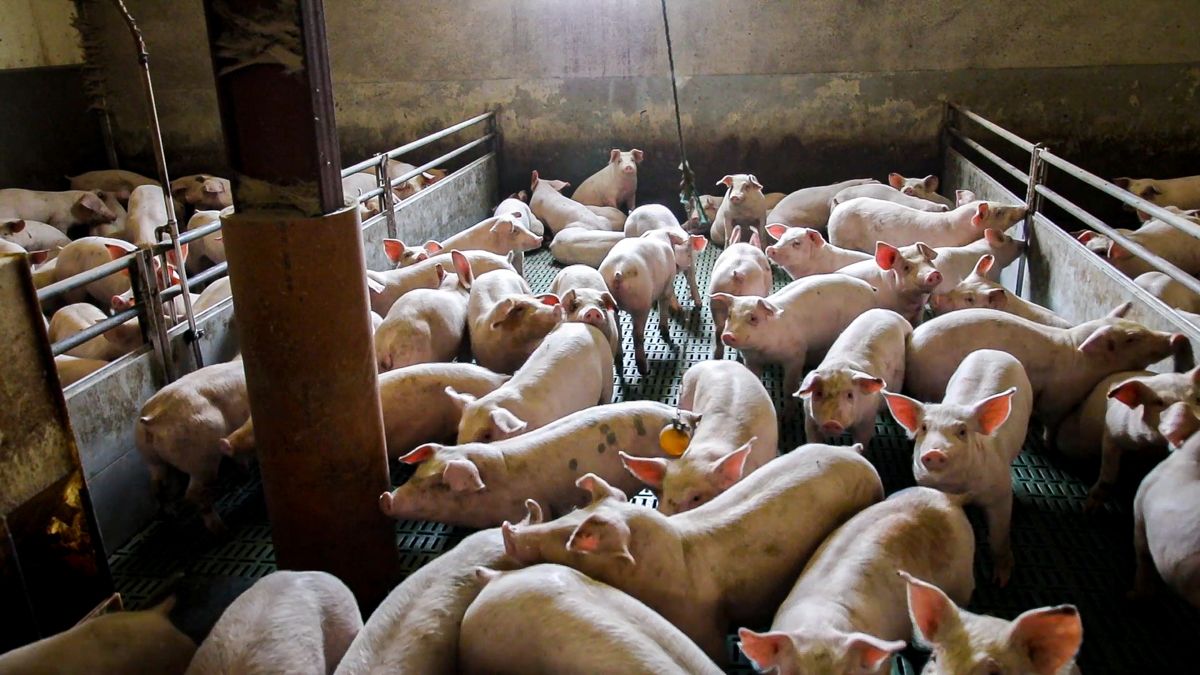
A single EU-wide 'rulebook' to reduce harmful emissions from pig and poultry farming is expected to make life simpler for Irish farmers.
The European Commission's 'Uniform conditions for operating rules for the rearing of poultry and pigs' (UCOL) under the Industrial and Livestock Rearing Emissions Directive, sets out how large pig and poultry farms must operate to reduce these emissions.
"It is the main EU instrument to reduce these emissions into air, water and land, and to prevent waste generation from large industrial installations and intensive livestock farms (pig and poultry)," a statement by the commission's Directorate-General for the Environment said.
"Developed in close collaboration with member states, livestock farmers, experts and environmental NGOs, this framework sets common minimum environmental standards for large poultry and pig farms across the EU."
The statement said that it would also provide flexibility, and minimise the "administrative burden for farmers and enable sustainable innovation".
"Cost-efficient approaches have been prioritised to keep the implementation cost at reasonable level for farms in scope."
The new rules will apply at farm level between 2030 and 2032, depending on the farm size, giving farmers time to adapt.
According to the statement the key benefits for farmers will be:
- "Less complexity, better results: UCOL focuses on operational measures, such as better manure handling, nutritional management and animal housing. Simpler rules will reduce pollution more effectively.
- Flexibility: Farmers can choose which techniques to apply, provided they meet the required environmental standards.
- Fair rules for farms: Smaller farms will adopt proportionate techniques and emission limits.
- Economic feasibility: UCOL prioritises feeding strategies to reduce emissions, which are proportionate and economically feasible, especially for smaller farms covered and existing farms.
- Room for innovation: Techniques not listed in the UCOL can be used, provided that member states validate their equivalent environmental performance, based on scientific evidence. This flexibility aims to encourage innovation while maintaining strong environmental standards.
- Fair competition: The UCOL will contribute to fair competition in the internal market by providing common minimum environmental standards for poultry and pig farms across the EU.
The statement added that the revised directive covers the largest pig and poultry farms in the EU, or about 30% of such farms.
The UCOL's ultimate aim is to reduce emissions by "setting requirements for ammonia emissions to air and for nitrogen and phosphorus excretion from animals, to ensure a high level of protection for human health and the environment as a whole".