Are you ready for winter housing?

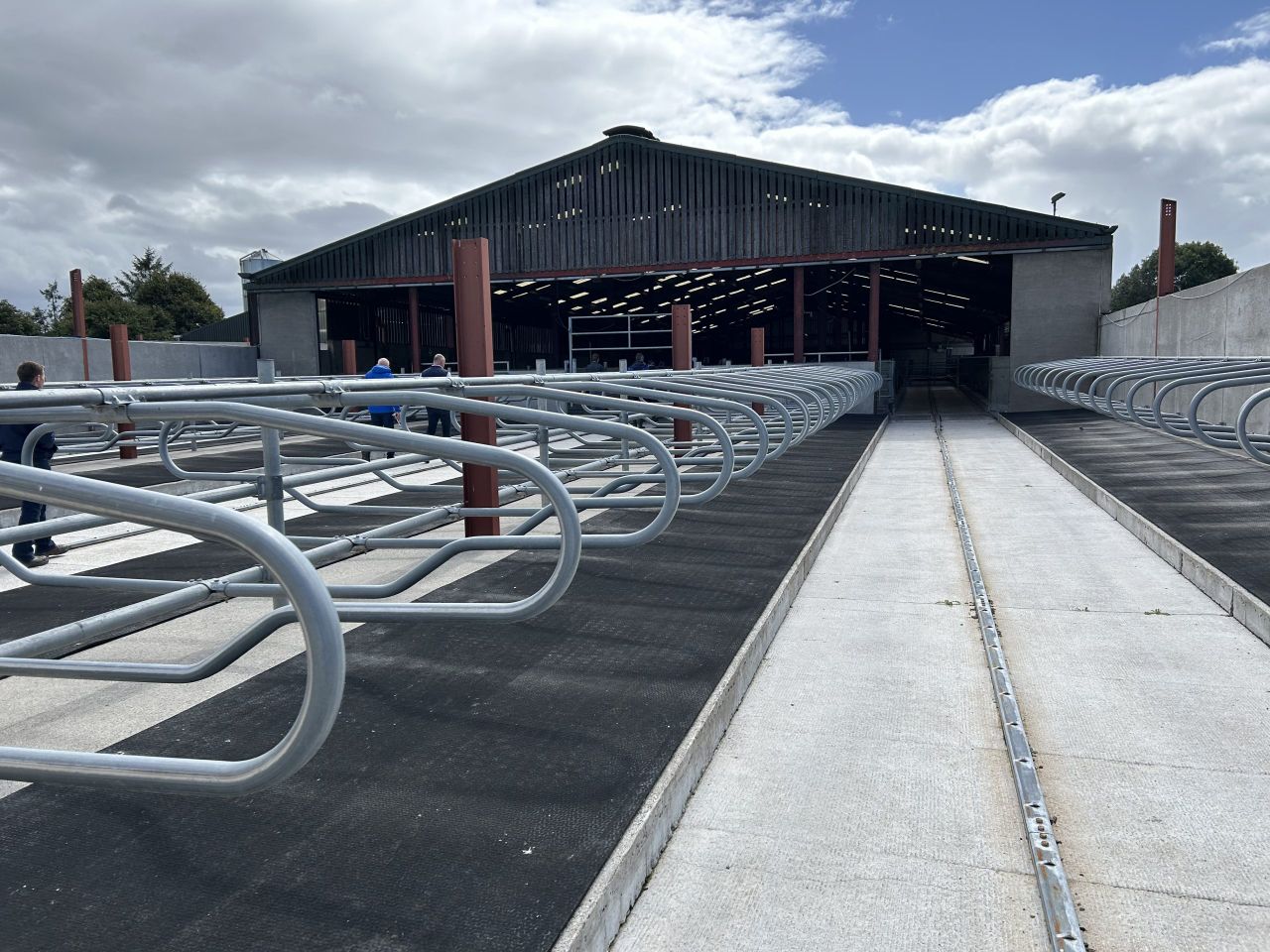
Now that the majority of farms are in their final grazing rotation, farmers need to ensure their winter housing is ready for the herd.
There is still a mountain of grass in front of us, but with the nights getting colder and days getting shorter, the herd will mow through it rapidly, if the weather holds up.
Therefore, we need to ensure cubicle sheds are prepared before the months slip away, getting essentials tasks such as the maintenance and repairs of scrapers and cubicles done.
The next major task to ensure is complete before cows is housed is cleaning and disinfecting to maintain a high standard of hygiene.
Cleaning
Sheds must be properly power-washed, removing all dung from cubicles, walls, floors, crevices, and rails, before a thorough disinfecting.
The presence of dirt will prevent the disinfectant from working properly and could allow pathogens to survive.
When disinfecting, ensure you use a use a product from the DAFM-approved disinfectant list, and follow the product's instructions for contact time.
Cleaning and disinfecting at this time of the year is never ideal, as water from power washing will take up much needed space in tanks, and housing should be left empty for a period of time post-disinfection.
However, as they say, better late than never.
Housing
In regards to housing, you must first ask yourself if you have enough cubicles for the herd; if not, they must be added without delay, or reduce stock numbers now ahead of housing.
Existing cubicles may also need repairs, whether that be a quick weld or adjustments to neck/breast rails.
You must also think about the comfortability of the cubicles, bearing in mind that a cow should ideally be laying there for 12-14 hours a day.
If a cubicle is uncomfortable, the cow may only lie down for approximately nine hours, reducing rumination and affecting target weights over the winter.
A comfortable cubicle should be 2.2-2.5m long and 1.2m wide (depending on the cow's size), they should also have comfortable bedding and mats.
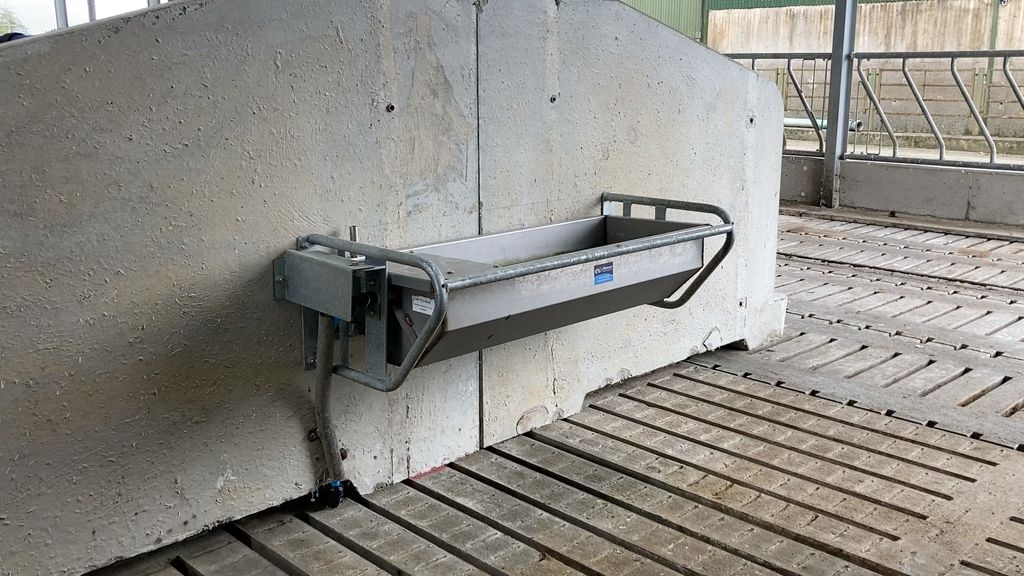
Other components that must be looked at include water availability - there should be enough space for 10% of the herd to be able to drink at any given time.
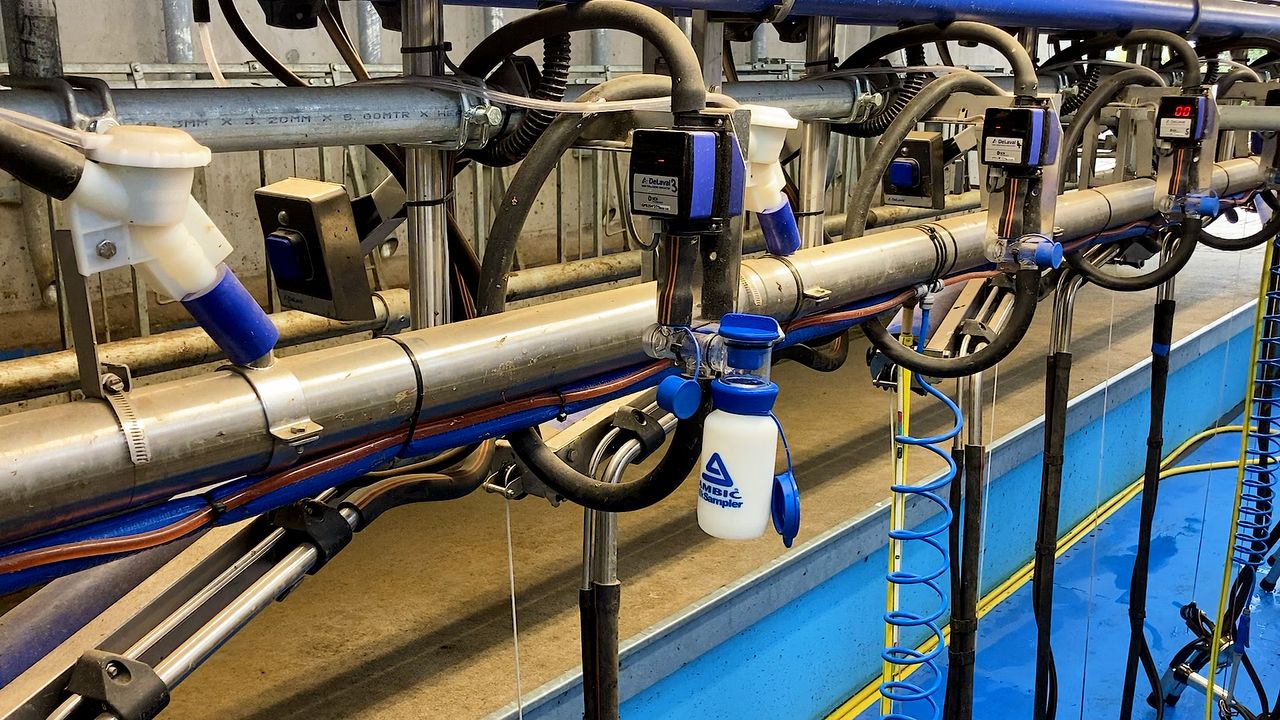
Scraper functionality is essential - they must be working perfectly to prevent issues such as mastitis or mortellaro, so ensure to service them properly.
Check to see if the grooves on the track or the scrapers look worn, if so, they should be replaced.
Remember, it will be extremely difficult to fix these things when cows are in and the shed is dirty.
Feed barriers must also be checked, with any essential repairs carried out, and lighting within the shed checked to see if they are working properly.
Farmers must also ensure they have supplies ready, such as straw bedding and lime.