Is there time for another milk recording before dry off?

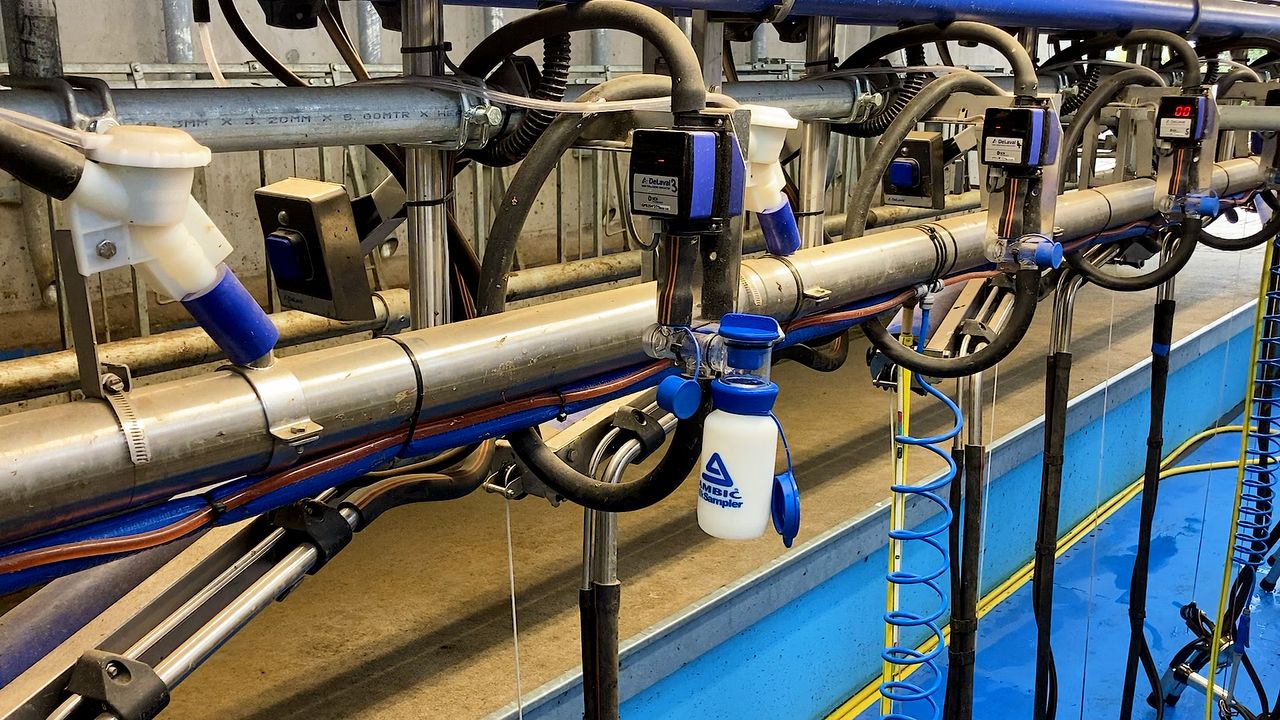
With the milking season coming to an end, farmers should be aiming to carry out at least one more milk recording this autumn.
We have reached the final few months of the lactation and as the wet weather continues, it will not be long until cows are housed full-time and drying off begins on the farm.
However, there is still plenty of milk solids to be delivered from now until dry off, as milk at this time of the year is of very high value with lower litres but higher butterfat and protein percentages, which can be observed from the data below.
ICBF data
The latest data from the Irish Cattle Breeding Federation (ICBF) shows that 1,122,438 cows have been recorded so far in 2026.
This is a reduction of 0.9% when compared to the same period in 2025, where some 1,132,523 cows had been recorded.
The total number of herds that have recorded is also down from 9,087 to 8,911.
The reduction is minimal, but it is enough to see the national average somatic cell count (SCC) start to climb.
The number of herds that have recorded from September 22-October 2 was 983, which consisted of 108,624 cows' milk recorded, with the average herd size at 111 cows.
The average milk yield of these herds that milk recorded was 18.4kg/milk/cow with 4.64% fat and 3.94% protein, which equates to an average of 1.57kg/milk solids/cow/day at the moment.
The average SCC for the herds recording in the past 10 days sits at 183,000 cells/ml.
As the year begins to close in, farmers need to start making decisions around culling, as the focus should be building covers for next spring and keeping grass in the diet and poor performing cows or empty cows might be hindering this.
Cull cows
With fodder tight, any marginal cows which are not producing a profit or which are having continuous issues with SCC should be considered for culling.
As it stands, cull cow prices are relatively stable with 'P' grade cows being quoted between €6.10/kg and €6.30/kg by factories.
Farms must consider the impact of their culling strategy on their nitrates banding.
In order to stay within regulatory limits for total organic N, culling cows earlier in the year next year may be necessary.
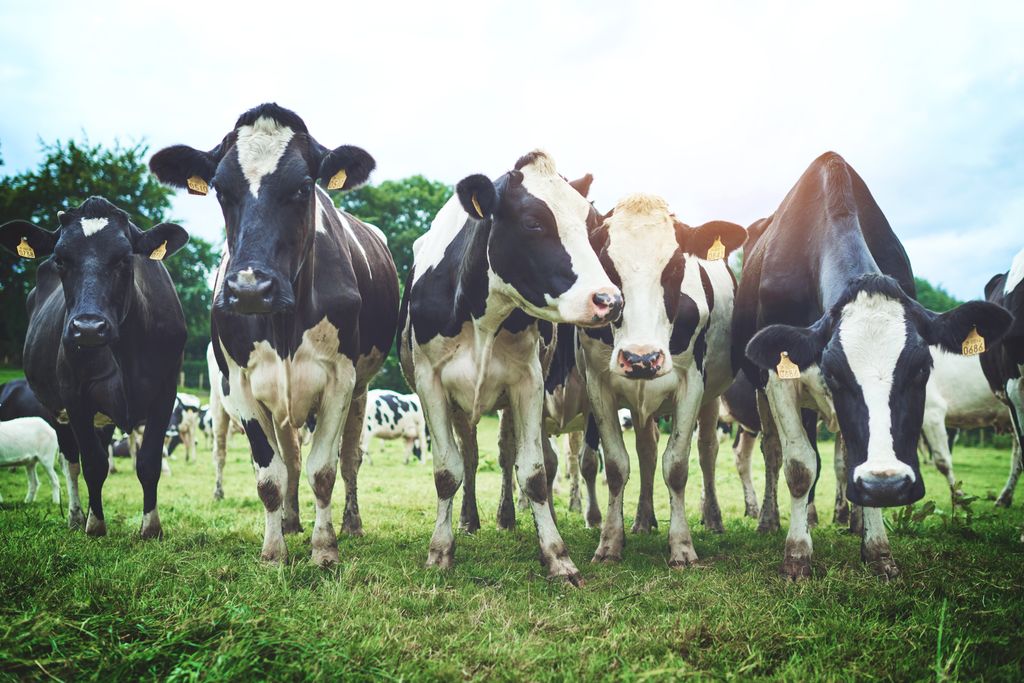
Dairy cows that dry off or become culls will still be considered in determining the herd’s average milk yield/cow.
If cull cows are kept on the farm and dried off, their excretion rate obviously remains the same, regardless of lactation, but this will potentially lower the milk yield/cow and potentially bring some farmers to a lower band or keep them in their original band.
Farmers who are borderline in a milk band for nitrates (4,500 or 6,500 milk kgs) should consult their farm adviser on how best to manage/monitor the sale of culls.
Milk recording
The main aim of milk recording at this time of the year is to pick out cows that may be suitable for selective dry cow therapy (SDCT) and identify the cows that will need antibiotic treatment.
If possible, farmers should try and book a recording now and another one for three to four weeks before planned start of drying off.
A milk recording within 30 days of drying off is essential to provide your vet with individual cow information to make sure the cows are prescribed properly.
This along with clinical mastitis history and milk sampling will make sure that the rights cows are picked out for SDCT and will minimise the risk of infection.
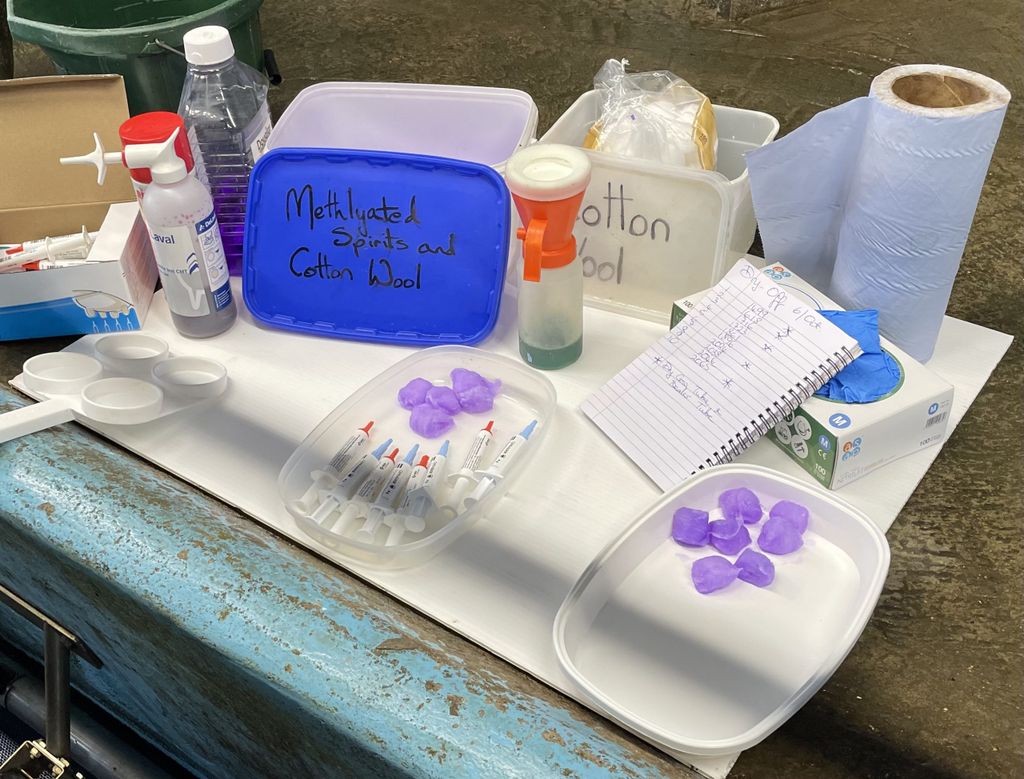
Any cows that have been identified as infected should be considered for removal if they are unlikely to be cured with antibiotic treatment.
By removing these problem cows, you will reduce the spread of infection to the healthy cows in the herd, and the need for recurrent antibiotic treatments.
None of these decisions can be made without the aid of a milk recording, so it is crucial that you start organising your last few recordings to ensure that decisions that are made at drying off are data-driven and there is no cases of mastitis or high SCC as a result of poor drying off.