Will you be culling cows to save on fodder?

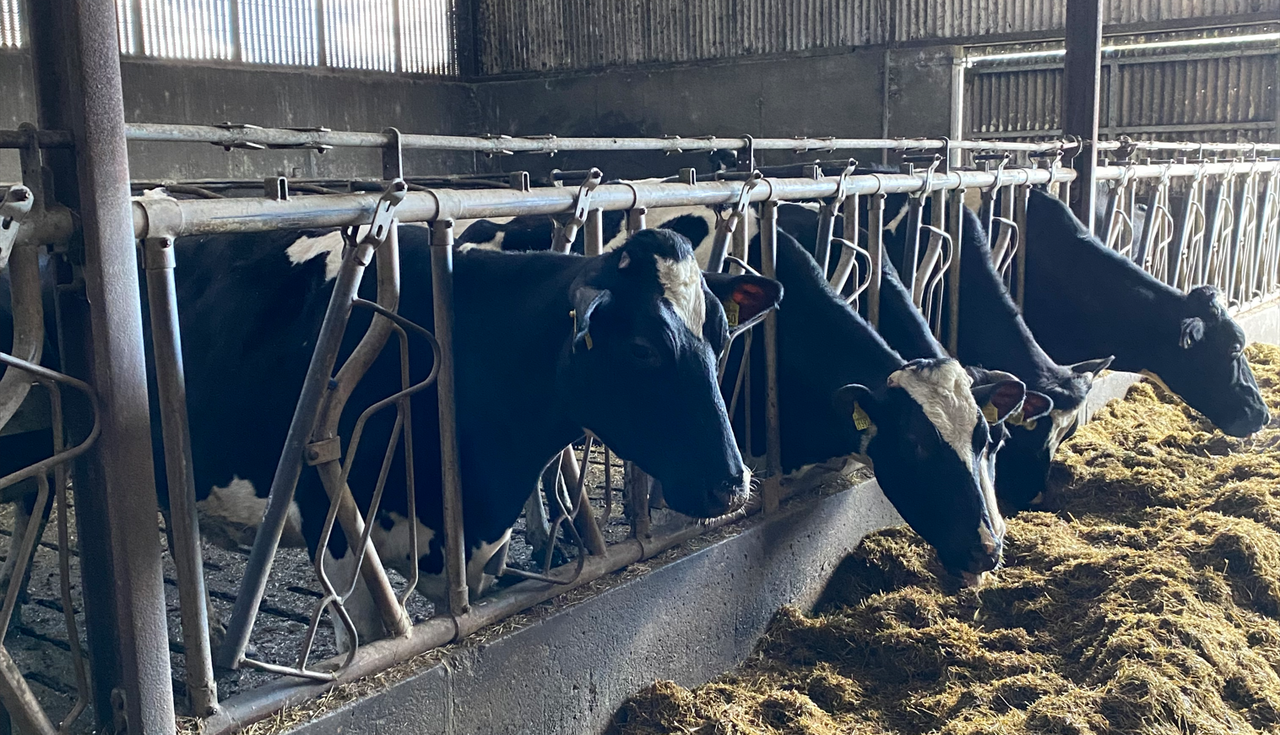
Now that we are in October, the end of the 2026 milking season is in sight, meaning farmers must start deciding which cows should be culled and when to cull them.
There is plenty of considerations for farmers to take into account before drawing up a cull cow strategy.
But one of the big ones this year will be fodder availability, as budgets will be tight after the year we have had, especially if we get a poor spring.
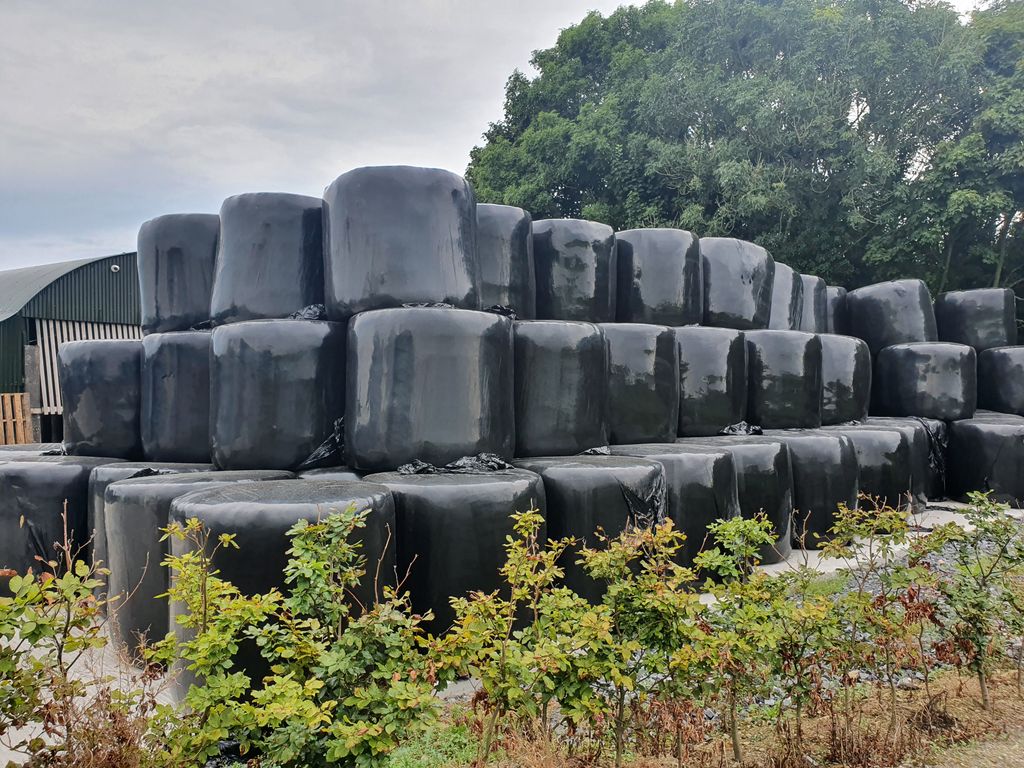
Teagasc's John Maher recently highlighted at a farm walk that one cow will require 10 bales to get from September to April.
So if you have a 100-cow herd, and had a 10% empty rate this year, that is 10 cows that need to go at one point or another.
Cashflow will be tight, so it is understandable that farms will want to milk on dry cows for as long as possible to boost the milk cheque.
But farms need to be looking at their milk recording, because chances are not all 10 of those cows are high producers.
Even if you keep five on to milk, and cull the further five, you will have saved 50 bales in the budget immediately, as well as receiving an immediate cash injection ahead of the tax bill from the cow sales.
Culling the further five in December will then allow you to free up a further 20-odd bales for the start of 2027.
These cows will realistically be 'P' grade cows, which are currently making approximately €6.10/kg.
Meanwhile, 'U' grade cows are being quoted at premiums of up to €6.60/kg.
Cull cow strategy
High stocked farms may be better suited to selling cull cows early (October) to take pressure off the farm's fodder budget, while low stocked farms may have a bit more room to milk the cow through December.
However, as milk production drops, farmers must consider factors such as production costs and grass growth to ensure it is actually profitable to continue milking the cow, while also keeping an eye on the fodder budget.
Another major consideration farmers must adhere to before culling cows is their nitrates banding rates for 2027, and ensure they do not fall out of their current band by reducing stocking rates.
A farm's average yield can drop by 4-5% if approximately 16% of the herd are retained as dry cull cows for a period of three months.
This can ultimately end up in the herd moving into a lower yield band.
On the other hand, these cows also contribute to a farm's total organic nitrogen (N), which will also be affected by keeping or selling dry cull cows.
When setting out a culling strategy, farmers must weigh up all of the advantages and disadvantages associated with the options.
For example, farmers wishing to hold onto stock and bulk them up in the hopes of good factory prices in the following spring must be aware of housing and fodder.
By retaining cull cows over winter, pressure will be put on cubicles and feed space, as well as the tricky topic of slurry storage.
A farmer who retains just 10 cows for a four-month period prior to culling will have an extra 64m3 (14,000+ gallons) of slurry to deal with, which could put them under serious capacity pressure.
Cull cows are generally picked out at breeding, therefore will be empty when dry.
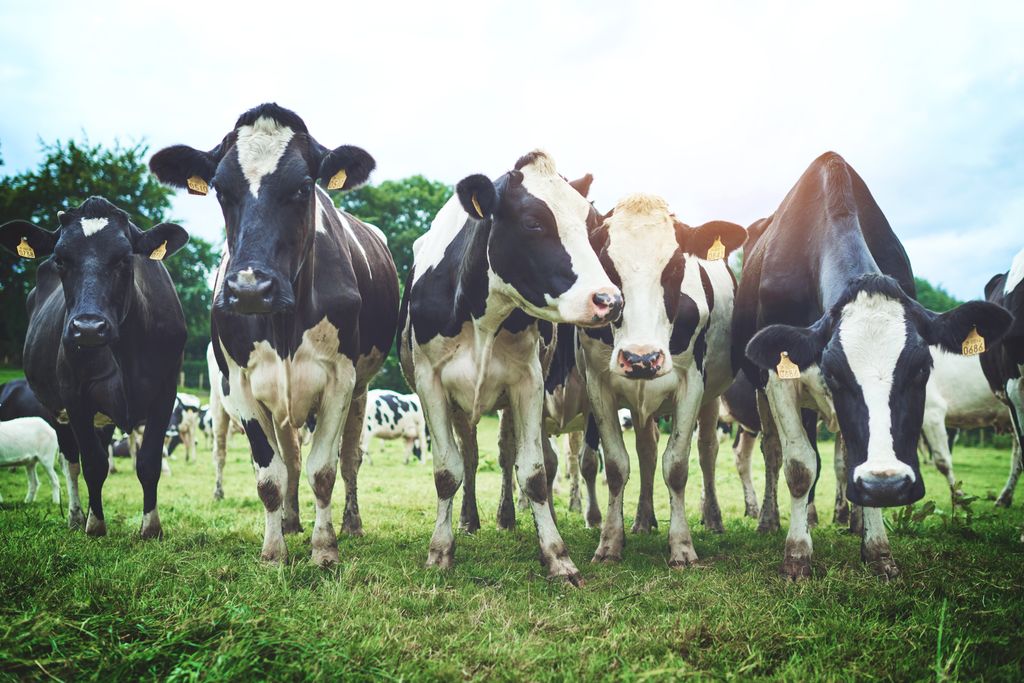
Despite that, it is important to consider how many replacements you will have on the ground in spring in comparison to cull cows in a bid to stay out of trouble with nitrates banding.
If you feel you are on top of all of this, then milking through the winter should cost you nothing as long as everything is well managed.
Ensure cull cows do not hinder current grass availability for the milking herd as well as not putting pressure on spring grass growth when the herd is in peak production.
Cow worth
Farmers must retain a ruthless attitude when culling to keep the herd at a high standard, culling any cows with chronic lameness, high somatic cell counts (SCC), and repeat mastitis, among other factors.
The Irish Cattle Breeding Federation's (ICBF's) Cow's Own Worth (COW) is a handy tool for making these decisions.
If used toward the end of autumn before drying off commences, it can help farmers choose what cows to voluntarily cull.