Farm succession incentive expected to be included in Budget 2027


With Budget 2027 just around the corner, all eyes from farming circles on what it will provide for the sector.
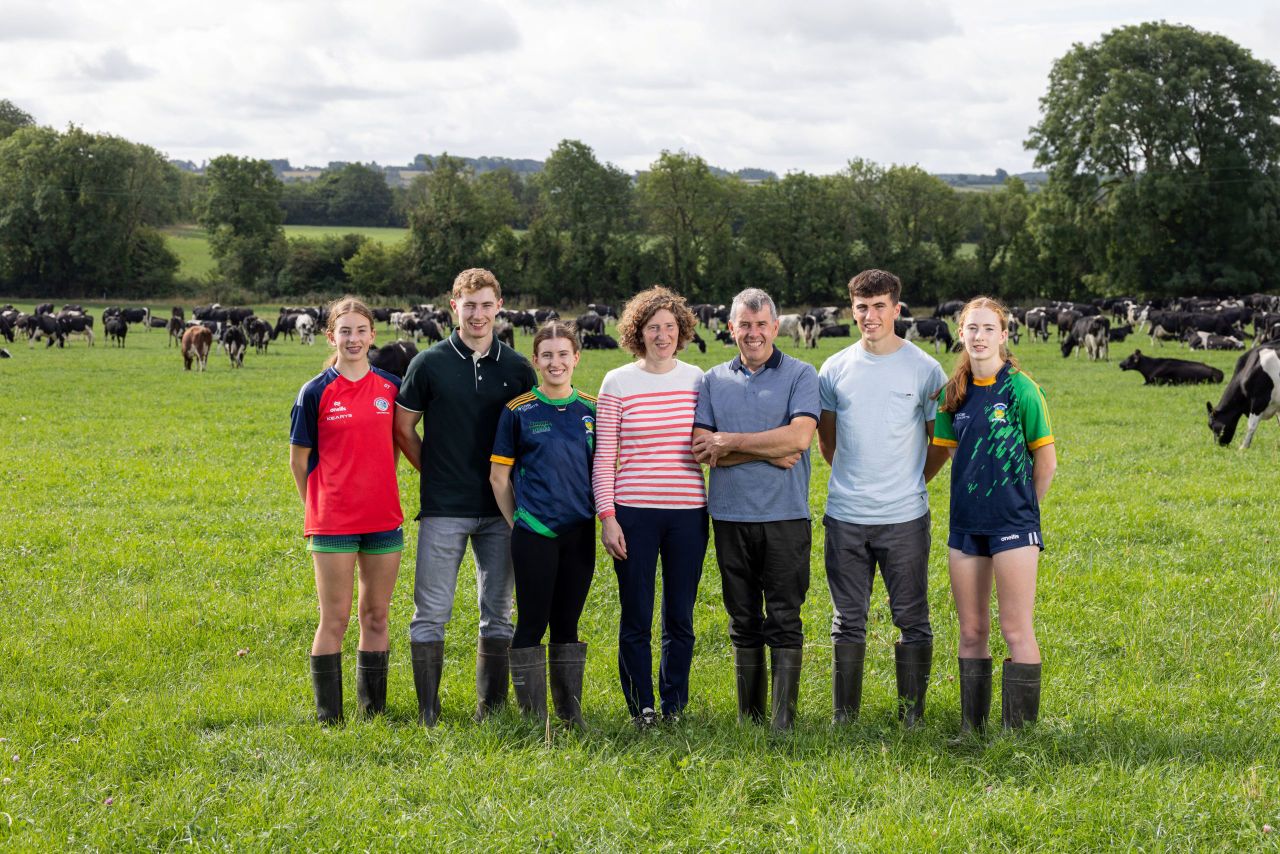
Sources have indicated to Agriland that among the supports included in the budget, will be enhanced incentives to encourage older farmers to transfer farms to the younger generation, while maintaining an income of their own.
With a recent Agriland/ICMSA survey carried out by Opinions revealing that one in three farmers intends to exit the sector in the next five years, there is a major spotlight on generational renewal and ensuring the future of the family farm system in Ireland.
Other measures expected to be announced by the Minister for Finance, Simon Harris during his Budget 2027 speech next Tuesday (October 6) centre around the rising cost of fuel.
Farmers and contractors may expect an extension of the Fuel Income Support Scheme.
This scheme was introduced by the Department of Agriculture, Food and the Marine (DAFM) to offset high green diesel costs for primary producers.
Approximately 20c/L of green diesel used, calculated against verified 2025 consumption receipts was allocated for in the scheme up to now.
The limits were a minimum payout of €100 (requiring usage above 1,200L in 2025) and a maximum ceiling of €50,000.
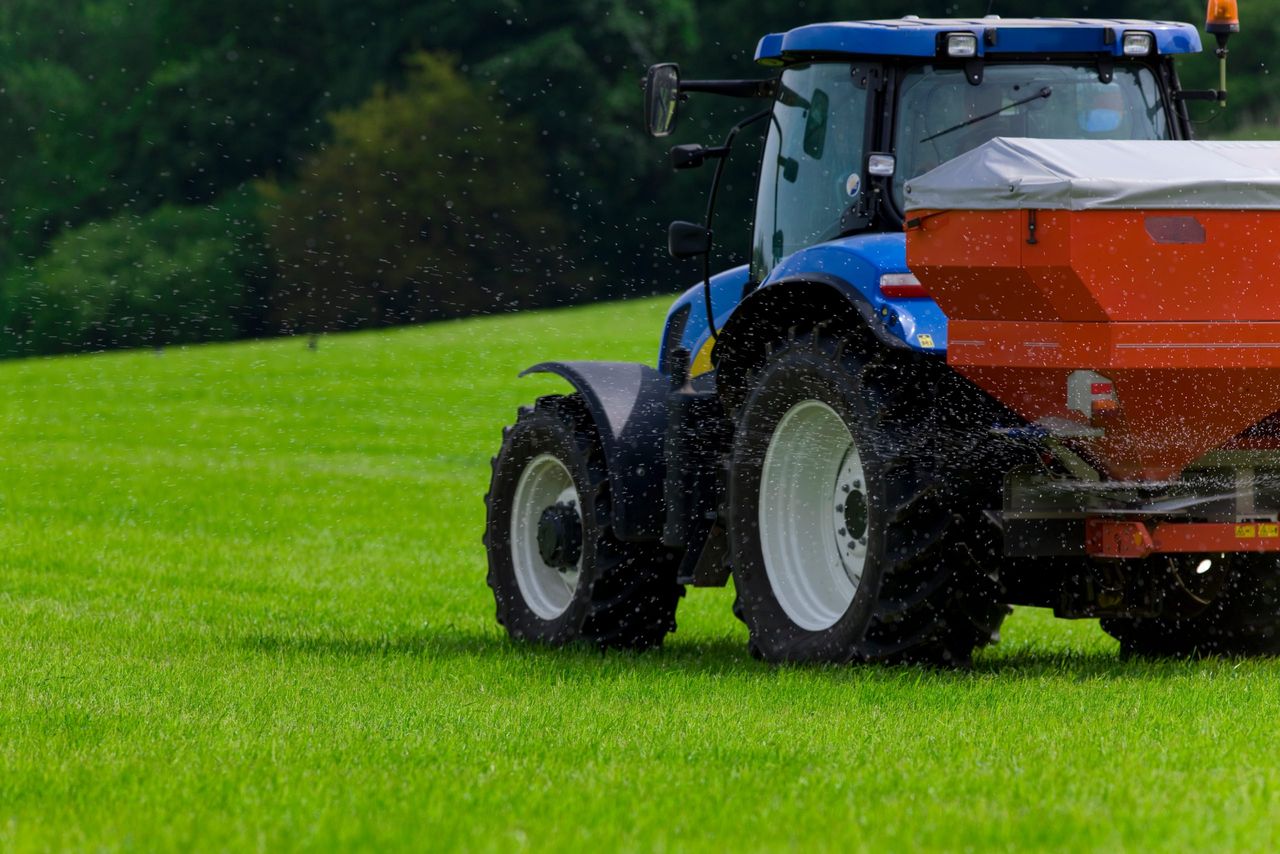
Among other measures expected to be announced are a top-up on fertiliser supports.
Pressure has been mounting on Minister for Agriculture, Food and the Marine, Martin Heydon to deliver a support scheme for farmers since the €540 million EU Fertiliser Action Plan was approved by member states in July.
Ireland has been allocated almost €15.4 million in emergency assistance which can be made available to farmers.
However, the minister may include an increase to this funding from national resources in Budget 2027.
Other areas earmarked for support in the upcoming budget are fodder for farmers for the winter.
With many areas of the country having experienced drought in the past few months, fodder reserves such as silage are in shorter supply and some farmers will struggle to feed livestock this winter unless they can afford to buy in fodder.
The Targeted Agricultural Modernisation Scheme (TAMS) is another area which is expected to be the focus of support in Budget 2027.
It had been previously mooted that there may be increased capital funding to support farmers to upgrade buildings and equipment in order to remain competitive and improve the resilience of rural farming enterprises.
Wider supports expected to be announced next Tuesday which will benefit rural and farming families, centre around income tax adjustments, childcare and energy supports.
What farmers want from Budget 2027
Agriland followers have been telling us what they would like to see in Budget 2027: "Scrapping the stamp duty for everyone not just young farmers with the green cert," one reader stated.
"Stop the super wealthy purchasing land for for investment purposes unless [they're] going to offer it up to a local farmer for free to farm.
"Forestry to have to obtain planning permission for new forests and go through the planning system like buildings do, with impact assessments done for blocking of views and light to nearby houses and roads," the reader addded.
"Solar farms to undergo the same criteria [regarding planning]; if the land is deemed to be profitable for agricultural purposes it should not be granted permission to progress."
Another farmer wrote: "Scrap the marking scheme for TAMS and fund the scheme properly.
"At the moment it totally discriminates against any farmer over 40 years-of-age farming in productive land with a stocking rate applicable to the land he is farming to make the farm viable."
Another Agriland reader stated what he would like to see in Budget 2027: "On the grounds that there is no alternative to diesel to power tractors at the moment, carbon tax on agricultural diesel should be removed. At least for private cars there is an alternative."
Others have called for a "decent pension scheme", the rules, regulations and bureaucracy to be reduced and an increase in the Sheep Welfare Scheme.