Armenian farmers to benefit from EU tariff suspension
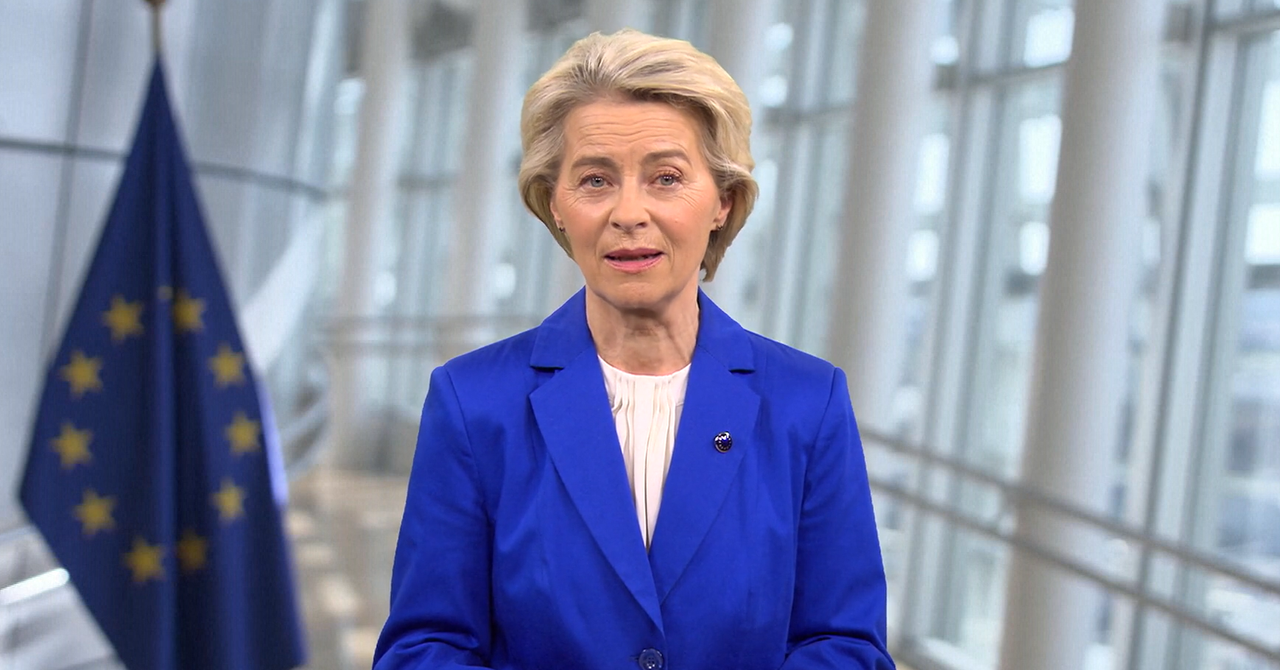
The European Union's temporary regulation to suspend tariffs on 80% of Armenian exports for two years will come into effect tomorrow (October 12).
According to a statement by the European Council, the objective of the temporary trade preferences is to support producers and exporters in Armenia after the recent introduction of trade restrictions by Russia.
"These measures will liberalise around 80% of Armenian exports to the EU, suspending import duties on a broad range of products."
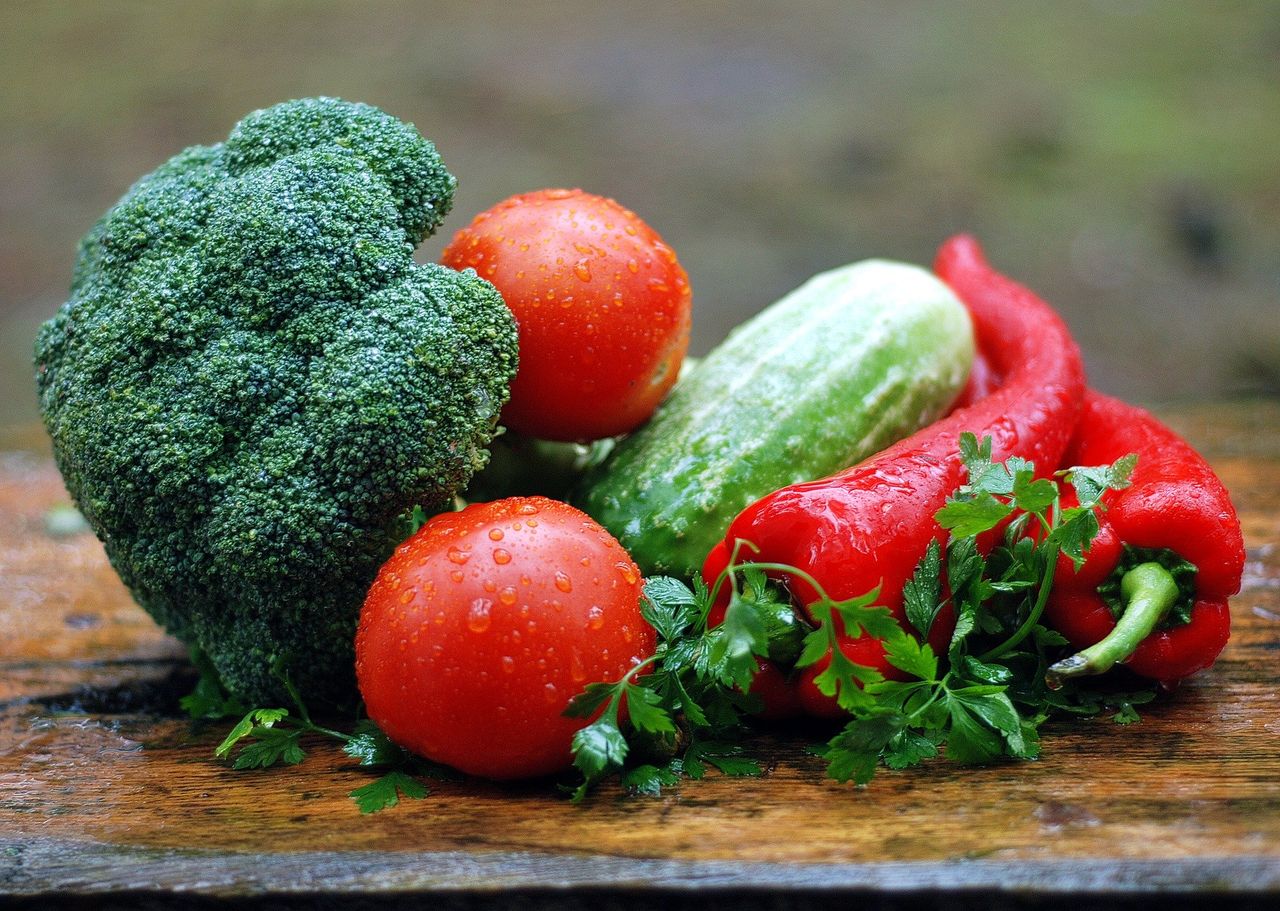
Almost all exports of fresh fruit, vegetables and flowers are included, as well as more than 91% of e beverage and spirit exports, according to the council.
"These temporary measures will contribute to supporting and strengthening trade flows from Armenia to the EU, in line with the objectives of the Comprehensive and Enhanced Partnership Agreement," the statement said.
However, it was stressed that the preferential arrangement comes "with certain conditions and includes safeguard measures to protect the EU market if imports adversely affect EU producers".
"The temporary trade preferences will help alleviate the difficult situation faced by Armenian producers and exporters and support the resilience of Armenia's economy by facilitating access to the EU market."
Broader support package
President of the European Commission, Ursula von der Leyen, announced these trade preferences as part of a broader support package for Armenia, in solidarity with the country which has been negatively affected by Russian trade restrictions.
Commenting on the temporary trade preferences, research fellow at the Hague Research Institute (an independent non-profit think-tank), Elena Zarantoniello, said:
"This EU temporary trade liberalisation clearly offers Armenia an important opportunity to diversify away from its dependence on the Russian market.
"However, tariff-free access alone cannot replace Moscow’s role within [Armenia's] agri-food exports.
EU standards
She warned that the real constraint, "is not simply access to the EU market, but whether Armenian producers can adapt to EU standards, logistics, and consumer demand quickly enough to turn this temporary access into a sustainable and effective trade diversification".
Responding to a question in a Dáil Éireann debate earlier this year, Minister for Foreign Affairs, Simon Coveney said Ireland’s trade with Armenia was relatively low, amounting to approximately €1 million annually.
"The main exports are essential oils and office and data processing machines. The majority of imports are in the categories of clothing, accessories and non-ferrous metals."