Sponsored
Protecting welfare, productivity and performance in flocks this autumn

Sponsored by

As autumn approaches, many of us are reviewing flock health plans and considering how best to protect sheep from external parasites to enhance productivity and welfare.
The Irish government's 2026 National Sheep Welfare Scheme (NSWS) recognises the importance of practical health and welfare measures, with plunge dipping to control external parasites included as one of the optional Category B actions available to participating farmers.
Under the scheme, farmers may select two mandatory Category A actions and one optional Category B action to receive payments of up to €13 per eligible ewe, subject to scheme requirements and compliance.
Actions selected under the scheme must be completed by the specified deadlines.
Why ectoparasite control matters
External parasites can have a significant impact on sheep health and welfare.
Parasite burdens can cause irritation, discomfort, fleece damage, reduced performance and, in severe cases, serious welfare consequences.
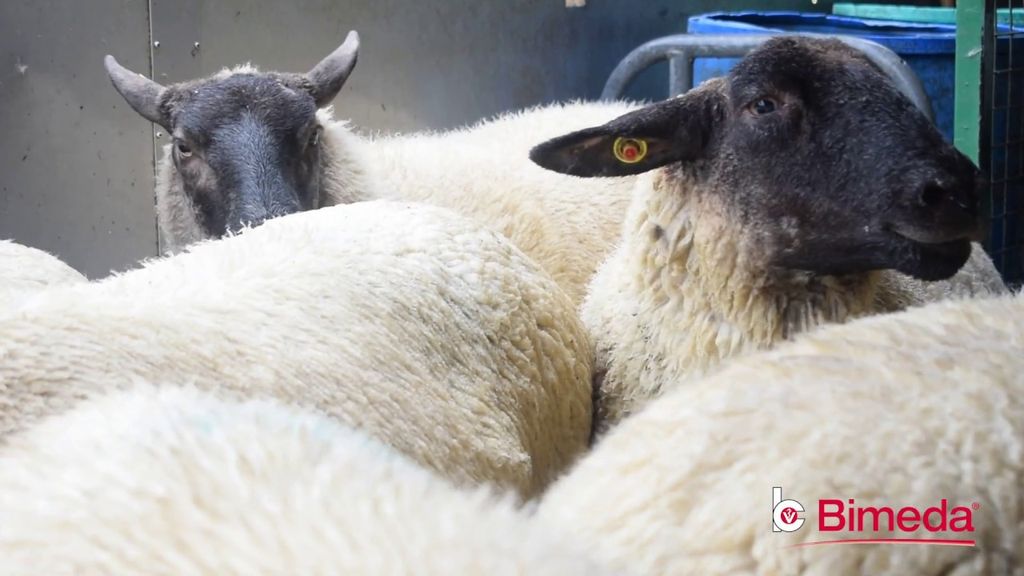
Common ectoparasites affecting sheep include:
- Sheep scab;
- Lice;
- Ticks;
- Blowfly strike.
Of these, sheep scab remains one of the most important welfare challenges facing the sheep industry.
Scab is still highlighted as a major welfare concern and an area where farmers need access to effective control measures.
Sheep scab can cause intense itching, skin lesions, wool loss, secondary infections and, if left untreated, can significantly compromise welfare.
Understanding sheep scab
Sheep scab is caused by the mite Psoroptes ovis.
The mites live on the surface of the skin and trigger an allergic reaction in affected animals.
Signs may include:
- Intense itching and rubbing:
- Wool loss;
- Restlessness;
- Head shaking;
- Damaged or discoloured fleece;
- Scabby or inflamed skin;
- Loss of condition.
Because sheep scab is highly contagious, infection can spread rapidly through a flock if not identified and addressed promptly.
It can also spread through direct contact between sheep and via contaminated equipment, handling facilities and other environments.
Sheep scab can be treated by plunge dipping (diazinon or cypermethrin) or with injectable macrocyclic lactones (ivermectin, doramectin and moxidectin).
Best practice for controlling ectoparasites
Work with your vet
A diagnosis for itchy sheep should always be confirmed to ensure the correct treatment is selected in the first instance.
Maintain strong biosecurity
Introducing purchased sheep remains one of the most common routes by which parasites can enter a flock.
Remember sheep do not always display clinical signs of sheep scab, so all animals should be considered a risk.
As the sheep scab mite can survive 17 days in the environment, remember all equipment, etc., also poses a risk.
Follow product instructions carefully
Whichever treatment option is selected, success depends on correct use.
Important considerations include:
- Accurate dosing based on bodyweight;
- Correct mixing and application procedures where relevant, e.g., noting different concentrations of dips require different mixing and top-up rates (60% vs 10% diazinon formulations);
- Following required treatment timings;
- Adhering to withdrawal periods;
- Ensuring all equipment is functioning correctly;
- Are sheep organic? Only certain medicines (such as cypermethin dip) are permitted for use in organic systems.
Use plunge dipping correctly
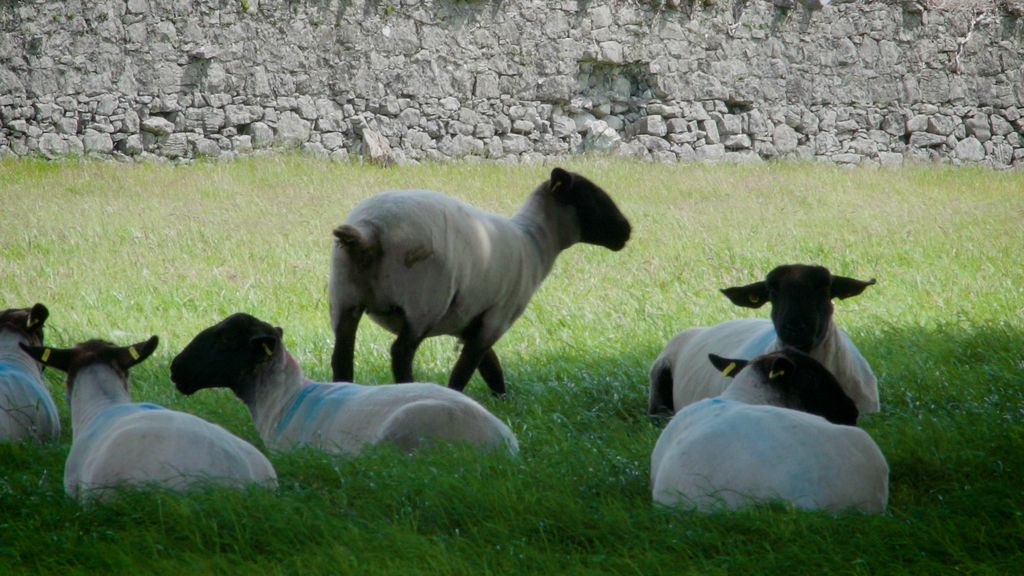
Where plunge dipping is selected, careful attention to best practice is essential.
Key points include:
- Wear the appropriate personal protective equipment (PPE);
- Ensure dipping facilities are clean before use;
- Mix products exactly according to the product instructions;
- Maintain the correct dip concentration throughout use;
- Ensure sheep remain immersed for the required time;
- Provide an appropriate draining area after dipping;
- Dispose of used dip appropriately and keep a record of method of disposal;
- Prevent contamination of watercourses;
- Ensure sheep have adequate wool length before dipping.
Correctly performed plunge dipping can be an effective tool for ectoparasite control and forms part of the options available within the 2026 National Sheep Welfare Scheme.
Plunge dipping is the only sheep scab control approach that does not inadvertently target the gastrointestinal roundworms.
Responsible parasite control protects the future
Effective control of sheep scab and other ectoparasites is about more than treating today's problem.
It is also about protecting the future effectiveness of parasite control options through responsible use and good management.
Combining appropriate treatment strategies, strong biosecurity and good husbandry can help reduce parasite burdens, safeguard sheep welfare and support flock productivity and profitability throughout the autumn and winter months.
Now is a good time to review parasite risks, discuss control options with your vet, and ensure any action selected under the 2026 National Sheep Welfare Scheme is completed in accordance with scheme requirements.
Sponsored by