Solar on the farm: Two farmers, two experiences

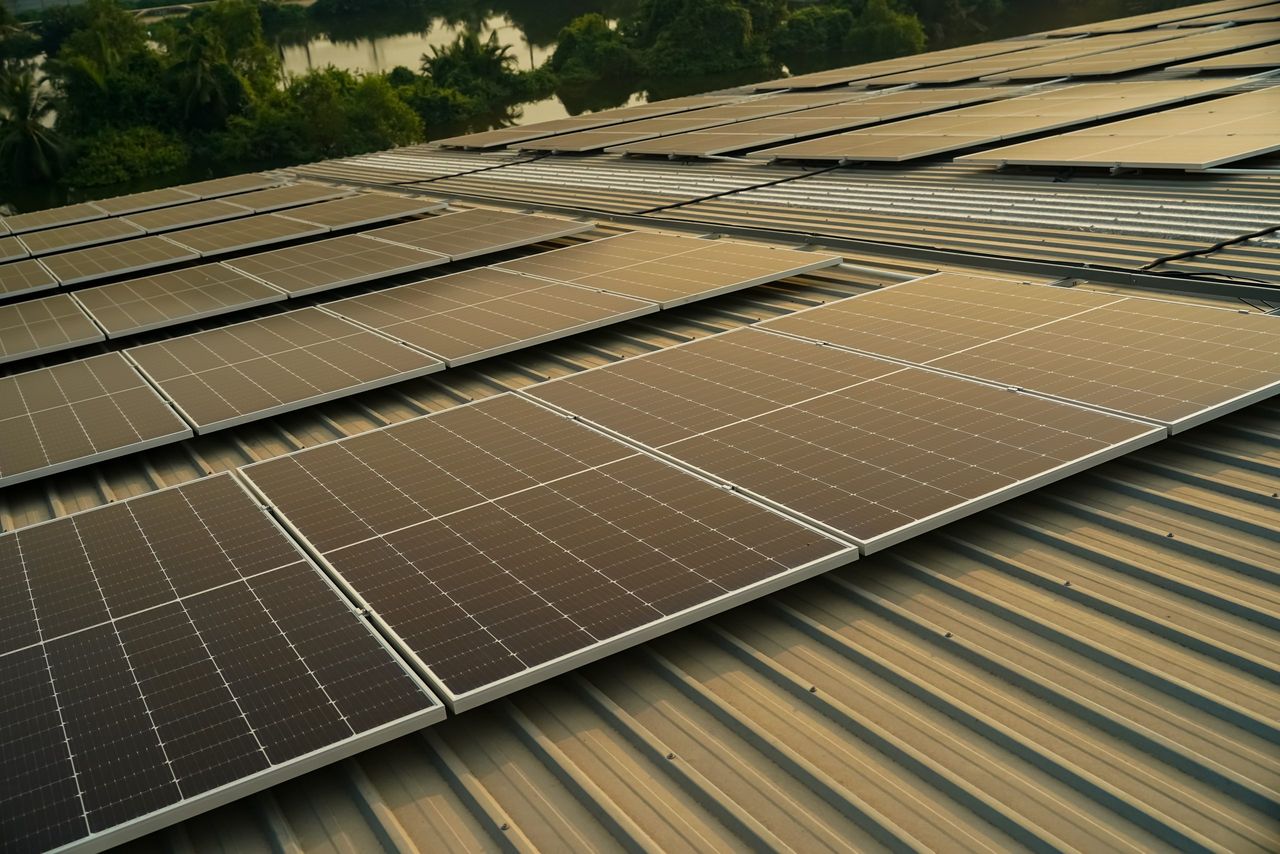
Solar power is surging, with installed capacity breaking through 3 gigawatts (GW) for the first time in this country.
From rooftops to large-scale solar farms, the rapid roll-out shows no sign of slowing.
But what does this growing solar boom mean for agriculture - and for farmers?
Some solar providers and users have criticised government policies aimed at encouraging solar use in agriculture - specifically the reduction in Targeted Agriculture Modernisation Schemes (TAMS) grants for solar and a lack of appropriate infrastructure.
Two farmers who have invested in solar power in the past year - Noelle O’Donoghue in Co. Offaly; and Conor Desmon in Co. Cork - have spoken to Agriland about their experiences.
Noelle O'Donoghue
While Noelle O’Donoghue is not a full-time farmer, she and her husband Eoghan have five suckler cows, as well as farmland leased out.
According to O'Donoghue, their property consumes “a lot of electricity”, in the form of electric fences, sheds, lights, and then a separate business at their house with its own work room.
They are in the process of installing solar panels.
O'Donoghue estimates that they consume over twice the electricity of an average household.
She explained: "The maximum we can install on the current ESB line, without the upgrade on the line, is 9.3KW."
This did not cover their energy use, so upgrading their connection line to the grid is an option she examined, which would allow for a higher capacity of electricity to be generated from solar panels.
O'Donoghue said: “We applied to the ESB to connect the higher wattage supply but the line isn’t fit to carry higher wattage.
"So the line would need to be upgraded and the ESB quoted in excess of €10,000 to do this.
"This would be unviable for one household to do and I don’t think it should be our responsibility, so we’re left with no option but install the lower capacity."
O'Donoghue added that they are not on the right kind of line, and that the situation is the same for "a lot of rural people”.
“We have a big shed that we were putting solar panels on, low impact on the countryside visually.
“So we were frustrated at that.”
Conor Desmond
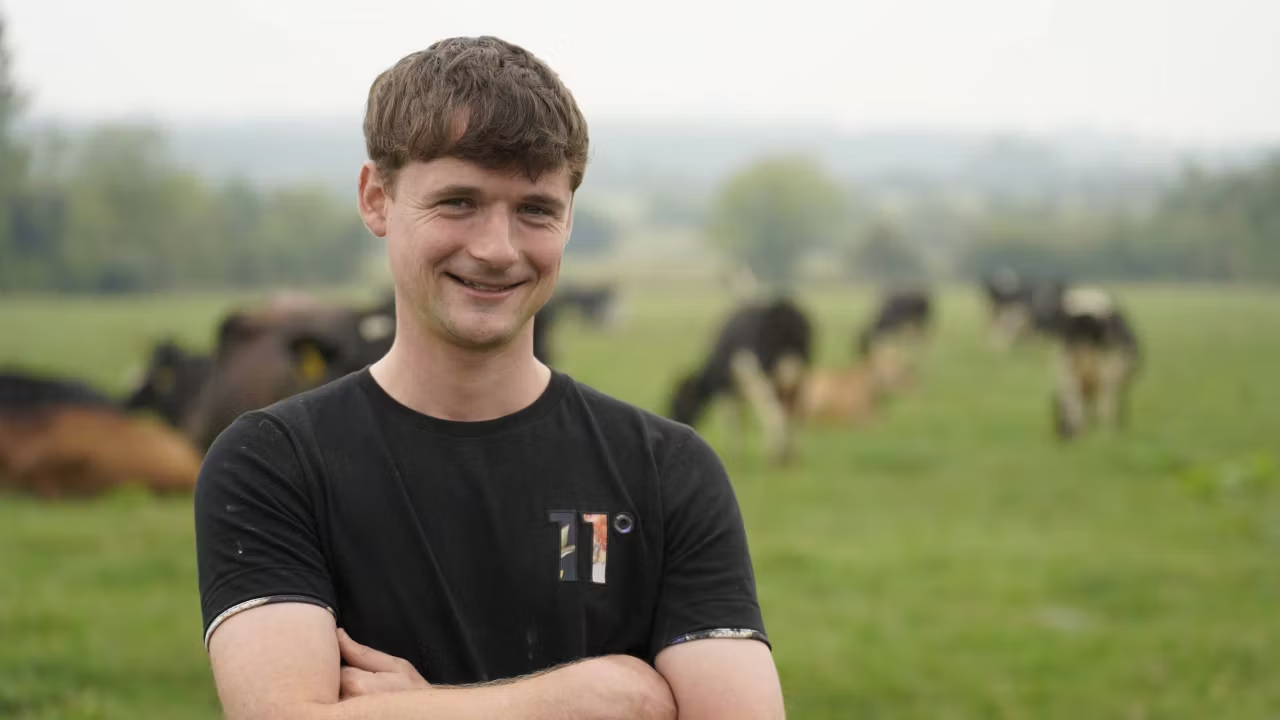
Conor Desmond is a dairy farmer in Cork, milking about 130 cows, on a spring calving system. with his son, Robert and wife Dora.
They installed 68 solar panels 12 months ago, on the roof of their cow shed, as well as enough batteries to store 30KW of energy.
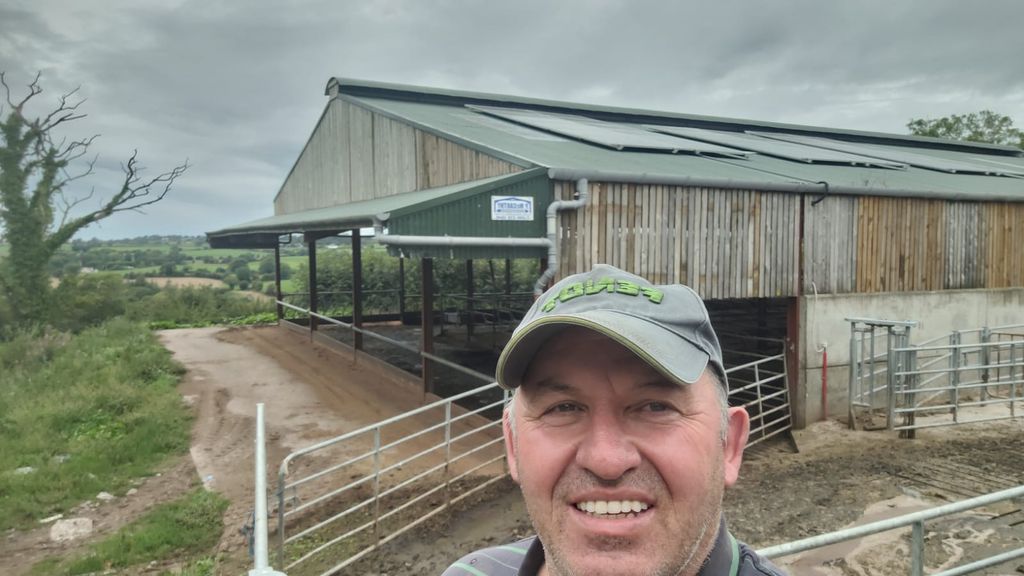
Desmond said the cost of the solar installation was “about €52,000”.
He added: “I ended up paying myself; it cost me about €28,000, after VAT and grants.
“I’ll see that back, no problem.”
Unusually, because of issues with the local meter, ESB is paying an estimated flat rate to the Desmond farm when they sell back to the grid of €68 each month.
He said: “When you see it off the bill every month, you’ll have a smile.
“Originally when I applied, I was only allowed 8KW of grid export, so we upgraded the transformer at my own cost, and now I’m allowed export the maximum of 19KW.”
Naturally, solar generation is lower in winter, though Desmond said he’s “very pleased with the batteries”.
He explained: “We store electricity and save it until daytime rate comes in."
ESB
Some farmers like O'Donoghue have expressed frustration about having to pay for a line upgrade, but ESB maintains that it is working on the issue.
A spokesperson told Agriland: “The areas identified for development will create the network capacity to accommodate customer needs over the next five to 10 years."
It said that this is based on "credible demand growth scenarios" and climate action plan targets.
“ESB Networks commenced a €2.6 billion distribution capacity network investment plan in 2026," it added.