Tillage: Getting to grips with problem weeds now

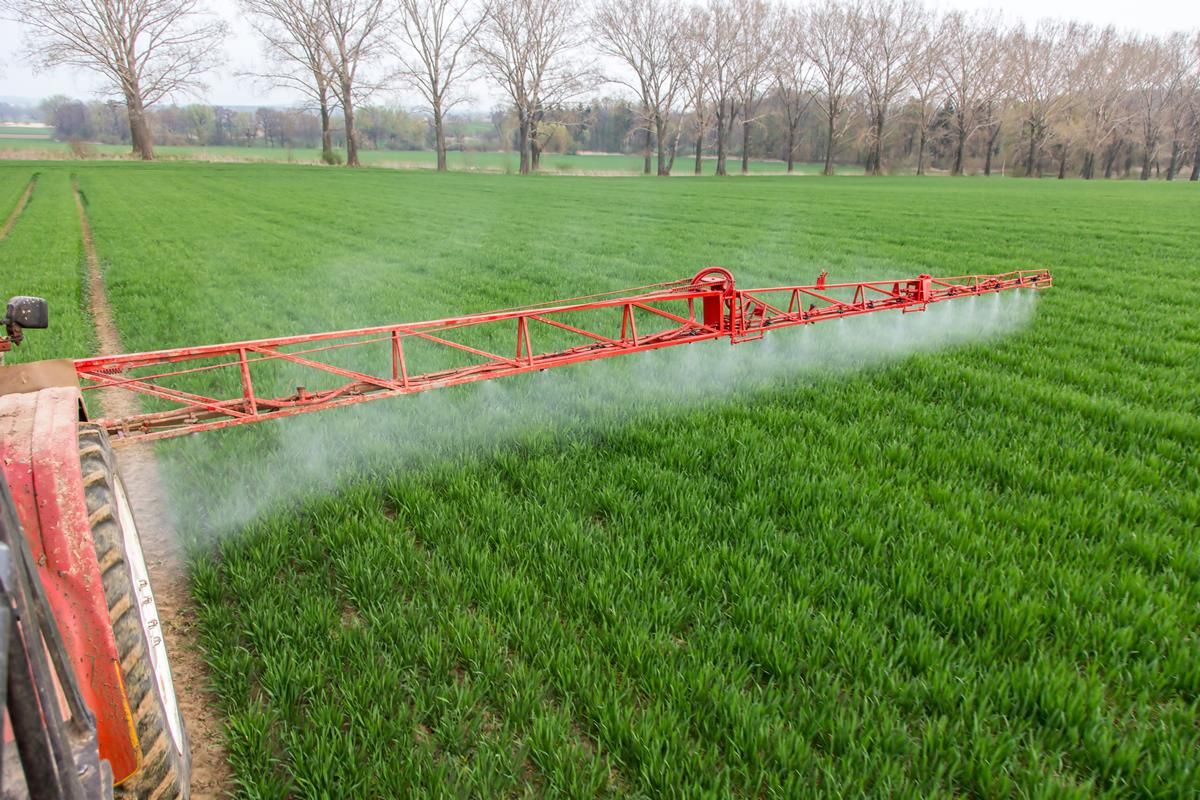
The coming weeks will provide a key window to control problem weeds that could otherwise create headaches in autumn-drilled cereal crops, according to Teagasc.
This approach becomes more relevant as the challenge of herbicide resistance continues to raise its head within the tillage sector.
The extended period this year before drilling starts will provide grass weeds such as bromes, wild oats, blackgrass, Italian ryegrass etc., as well as broadleaf weeds and volunteers, with a great chance to develop.
It is important, therefore, that growers walk all fields and identify problems that can be treated between the two crops with a non-selective herbicide like glyphosate.
According to Teagasc tillage specialist, Shay Phelan, such action should reduce the pressure on winter cereal herbicides and make choices in crops much easier.
He added: “Many weeds or volunteers, like docks, scutch, sow thistle and volunteer potatoes store carbohydrate below the soil surface in rhizomes, tap roots or tubers.
“At this time of year, the plant puts a lot of its reserves into those underground storage systems in preparation for the following season.”
While cultivation can give some control, quite often - especially with rhizomes - all it will do is chop the rhizome into small pieces and spread the problem.
Phelan said: “The most effective method of killing those rhizomes or underground stores is by using a herbicide.
“As the plant moves reserves into the underground stores, glyphosate, for example, will be moved through the plant in the same direction and effectively stored in the storage vessel.
“This will eventually kill that underground store and prevent the rhizome, root or tuber from growing or producing new growth in the spring.”
In the case of potatoes, these volunteers will act as reservoir for potato blight in the new season if they survive the winter.
"We also see that where they grow in the spring, it can be very difficult to control them in crop.
“In such instances, it would take multiple applications of herbicides, which may not be possible either legally or physically, to control the different flushes of plants as they emerge from different depths.
“If the field is intended for a spring crop, growers should remember that after the application of a non-selective herbicide, stubble cultivation work must follow in order to encourage a degree of green cover on the field over the winter months," Phelan added.