Ireland’s first bluetongue infection of 2026 confirmed

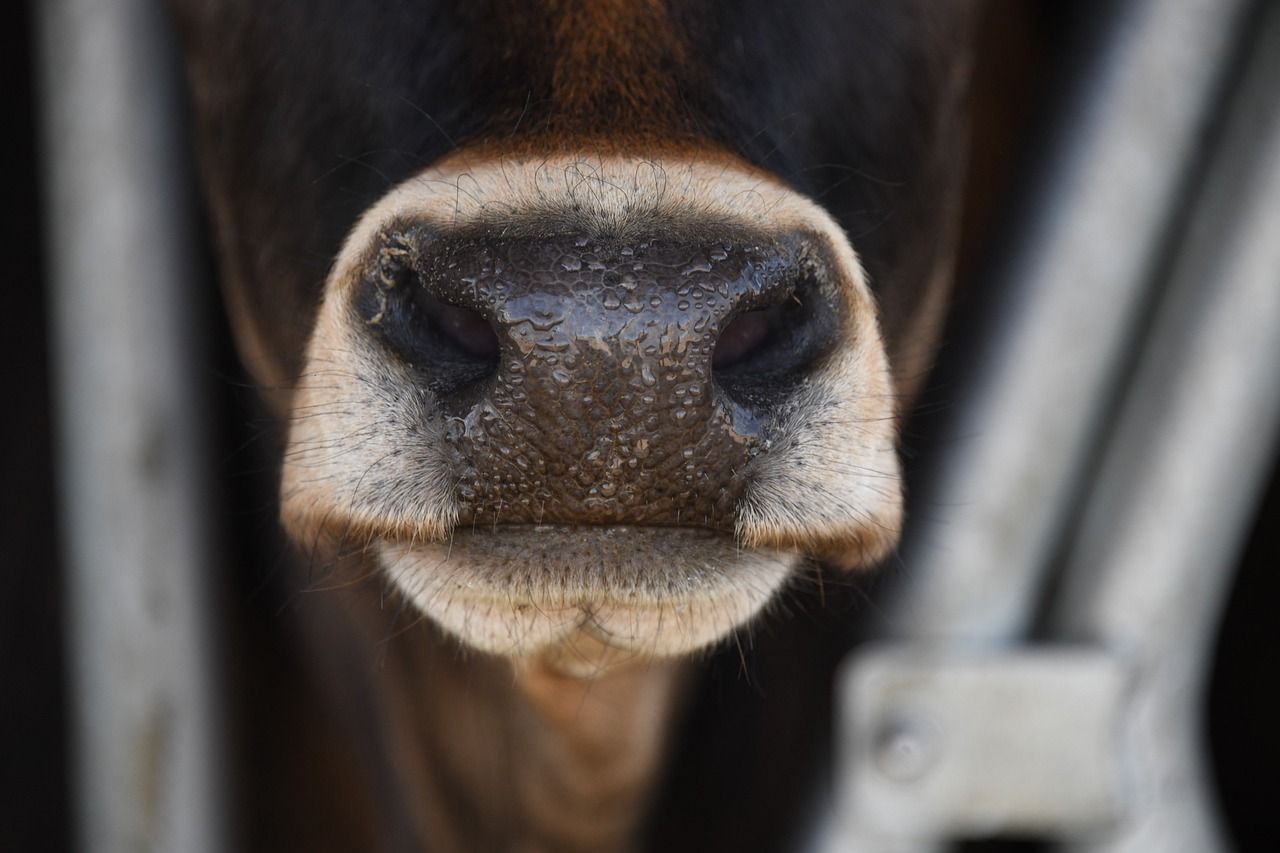
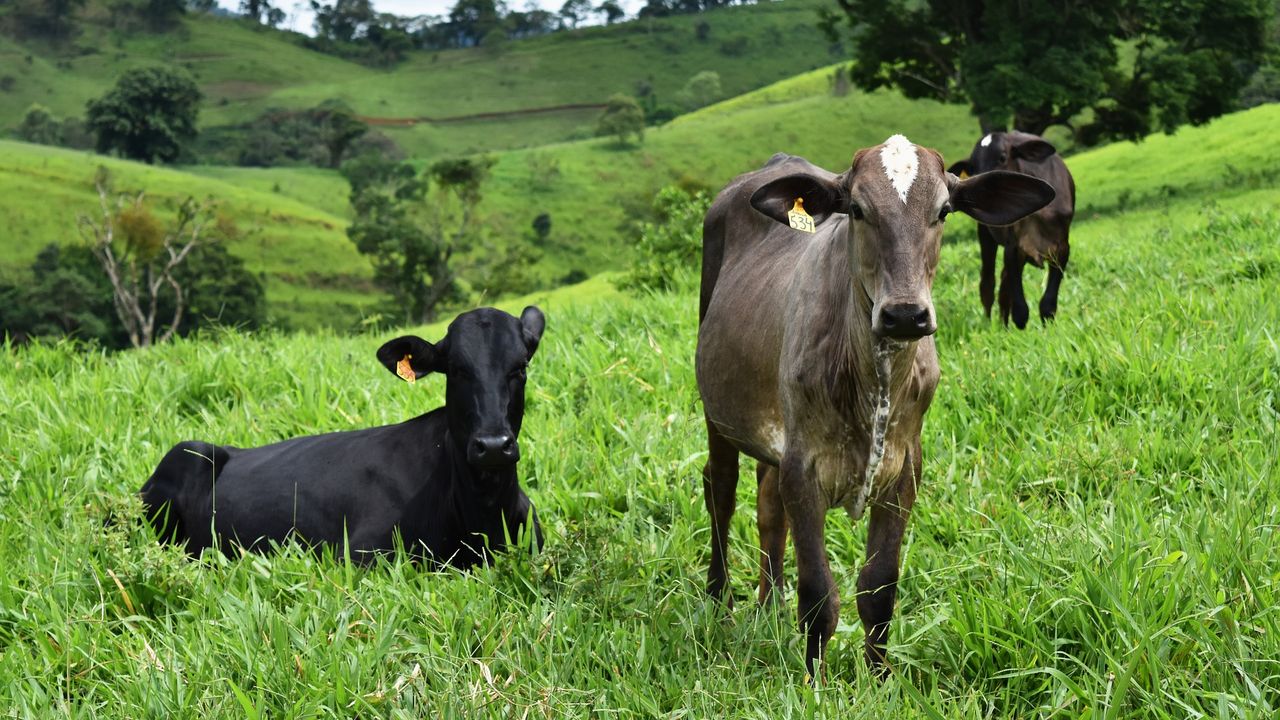
A heifer in Co. Wexford has tested positive for bluetongue virus serotype 3 (BTV-3), the Department of Agriculture, Food and the Marine (DAFM) has confirmed.
This is the first case of BTV-3 detected in Ireland where infection occurred in 2026.
The department said the case was confirmed during a post mortem examination on the 16 month-old animal, which was not vaccinated against the disease.
It is understood that no clinical signs were detected prior to the death of the heifer.
DAFM said the case highlights the importance of submitting unexplained mortalities to the department’s regional veterinary laboratories (RVLs).
Bluetongue
BTV-3 is a virus which can be spread to cattle, sheep and other ruminants by midges, transplacental infection of pregnant animals, and germinal products such as semen.
The virus can only replicate in midges when the average daily temperatures exceed 12°C.
The first case of the BTV-3 viral strain in Ireland was confirmed in a suckler herd in Co. Wexford during January.
The department said the likely source of the incursion of the disease in the country was by infected midges blown across the Irish sea in late Autumn 2025.
To date, surveillance has identified the presence of the BTV-3 strain in additional herds in counties Wexford, Wicklow, Louth, Laois, Monaghan, Kildare, Cork, and Tipperary.
DAFM
The department has reminded farmers who have not vaccinated against bluetongue that they should talk to their private veterinary practitioner about whether vaccination is appropriate for their herd.
"It is still worth considering vaccination against BTV-3 at this stage.
"Vaccination remains the most effective measure against the disease," a DAFM spokesperson said.
Vaccination against the bluetongue is included as an optional action in both the 2026 Beef Welfare Scheme (BWS) and the National Sheep Welfare Scheme (NSWS)
There are three BTV3 vaccines approved for use in Ireland.
The department has reiterated that there are no public health risks associated with bluetongue.
"Bluetongue does not affect human health or food safety; meat and milk are safe to eat and drink," it said.
Britain
BTV-3 is currently circulating extensively in Britain with over 2,400 potential cases under investigation.
There are reports of multiple cases with a variety of clinical signs including deaths in cattle and sheep, with cases remaining concentrated in southwest England and Wales.
There also has been recent detections in Scotland.
The Department for Environment, Food and Rural Affairs (Defra) said a total of 856 cases of BTV-3 have been confirmed in the UK to date in the 2026/2027 bluetongue season.
This includes:
- 748 cases in England;
- 88 cases in Wales;
- 20 cases in Scotland;
- 0 cases in Northern Ireland.
A case is defined as a premises on which at least one bluetongue positive animal has been confirmed.